



Ebola disease in DRC: find out how we're responding
Learn more
1758 Results
 
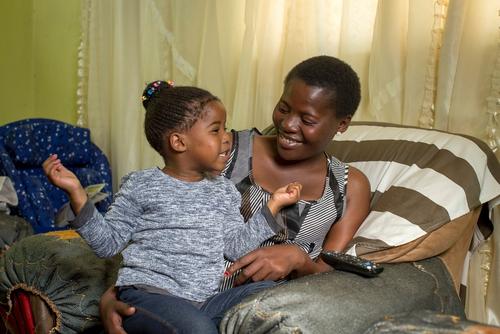
Nonyanyiso plays with her 8 year old daughter Minentle at home Khayelitsha.
Nonyanyiso Baloi is a 32 year old mother of three children, lives with her 3 children and aunt in Khayelitsha in Western Cape, South Africa.

Nonyanyiso Baloi, a 32-year-old mother of three lives with her children and aunt in Khayelitsha,  Western Cape, South Africa.

After reacting very badly to first-line TB treatment, doctors desperately searched for alternative treatment options, before discovering her full diagnosis of pre-XDR-TB, which required a whole new treatment regimen. 

There’s a critical need for clinicians to have newer, improved drugs to treat extensively drug resistant strains of TB.

Current treatment regimen: bedaquiline, delamanid, linezolid, clofazimine, levofloxacin, ethambutol, terizidone 
Nonyanyiso Baloi: 

“I’ve lived in this house since 1989, and how live here with my aunt and three children, ages 8, 6 and 4 years. I’m a full-time mum.

Earlier this year, I lost weight, had no appetite and was vomiting a lot. I was always tired. I was diagnosed and have been on this journey since.
 
I’m happy I got this treatment, because I couldn’t even walk back then – but if I see myself now, I’m doing everything I couldn’t do before.”
South Africa

I'm doing everything I couldn't do before

"I'm happy I got this treatment, because I couldn't even walk back then," she says, "but if I see myself now, I'm doing everything I couldn't do before." Voices from the Field - 25 Oct 2016
 
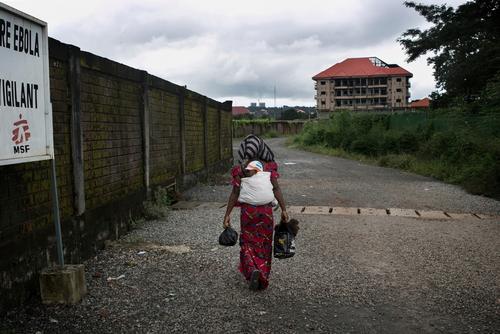
Nubia leaves the Medecins Sans Frontieres Ebola survivors clinic together with her foster mother (and aunt) Mabinty Soumah following a medical check.
Ebola and haemorrhagic fevers

Dealing with Ebola's double blow

The Ebola outbreak that swept across West Africa infected more than 28,700 people and killed more than 11,300 men, women and children. Photo Story - 21 Oct 2016
 
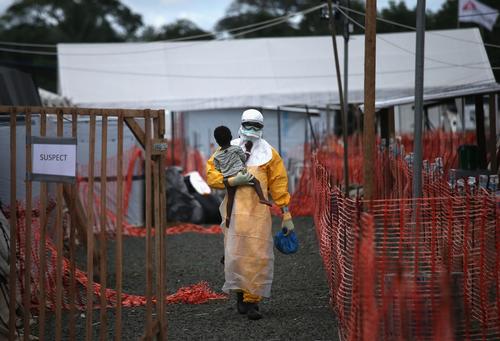
A Doctors Without Borders (MSF), health worker in protective clothing carries a child suspected of having Ebola in the MSF treatment center on October 5, 2014 in Paynesville, Liberia. The girl and her mother, showing symptoms of the deadly disease, were awaiting test results for the virus. The Ebola epidemic has killed more than 3,400 people in West Africa, according to the World Health Organization.  (Photo by John Moore/Getty Images)
Liberia

The psychological scars of Ebola

Interview with MSF psychiatrist Frédéric Gelly Project Update - 20 Oct 2016
 
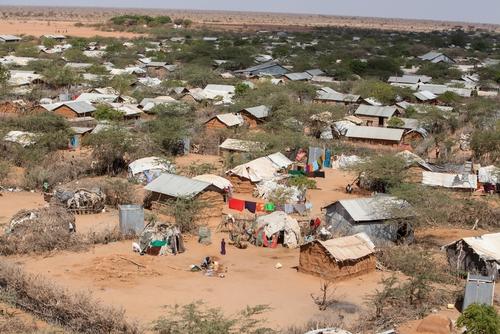
An aerial view of Dagahaley refugee camp, Dadaab, Kenya.
Kenya

Dadaab 25 years

On 6 May 2016, the Government of Kenya announced that the Dadaab camps will close, citing economic, security and environment concerns. Photo Story - 17 Oct 2016
 
An aerial view of Dagahaley refugee camp, Dadaab, Kenya.
Kenya

Dagahaley is the place I know as home

Testimony by Hassan Sugal Takoy, an MSF social worker, himself a refugee who fled Somalia Voices from the Field - 13 Oct 2016
 
MSF teams provided food and medical care and are scaling up assistance.
Nigeria

Crisis Info on Borno Emergency - September 2016

MSF has been present in Maiduguri on a permanent basis since April 2014 working on paediatric and maternal health and nutrition and previously controlled cholera epidemics on several occasions. Crisis Update - 28 Sep 2016
 
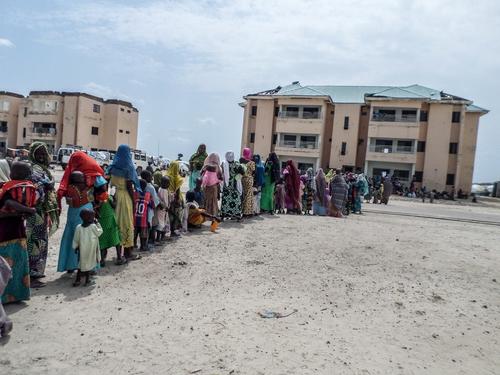
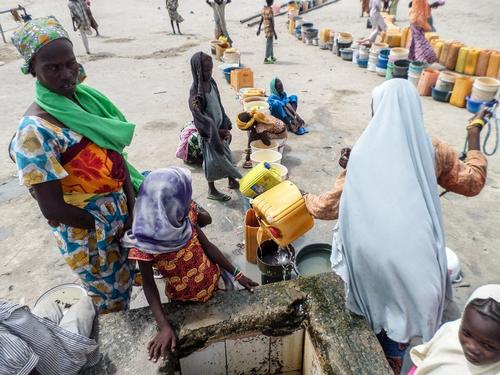
People in the camp reported having less than half a litre of water per person per day.
Nigeria

Disastrous living conditions more deadly than violence

Conflict-affected populations in Borno state need emergency food aid now Press Release - 28 Sep 2016
 
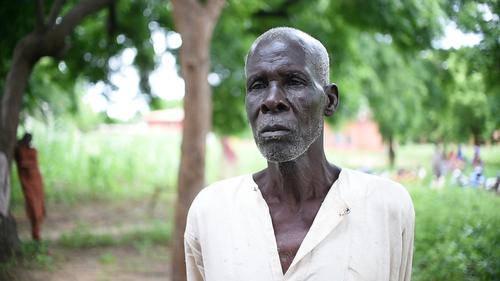
IDP Boulama Mala 60 years old from Galingui village, Konduga local government area (LGA) Borno State - about 25 km to the southeast of Maiduguri.  
"Its Boko Haram who chase us from our village that’s why we are here in that camp. We are here because they attacked us."
 "I live with 10 people all together with my wife, my children and grandchildren. With the little that we can sell than we eat that day otherwise we can go to sleep empty stomach. It’s difficult at my age to gather wood to sell and feed 10 people."
Nigeria

Crisis in Borno State - "We fled to survive"

A humanitarian crisis is unfolding in northeast Nigeria's Borno State, where violence has displaced thousands and cut off enclaves outside the state capital of Maiduguri from humanitarian aid. Voices from the Field - 24 Sep 2016
 
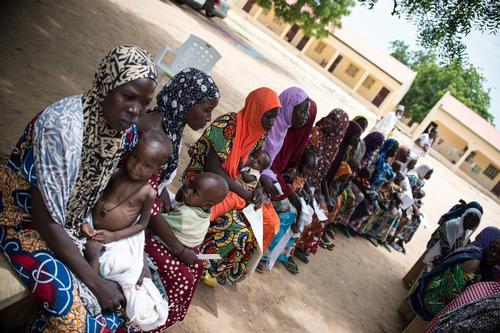
Mother and child waiting for screening at MSF Clinic (ATFC). Mothers often do not know their child is malnourished but will come for other disease as the child gets weak and sick. Most children are IDP's living with host communities. MSF treats both IDP's and locals. Bencheikh Borno state
Nigeria

Treating malnourished children in Beni Shiekh, Nigeria

Child malnutrition is one of the main problems in Nigeria's Borno state, where MSF is running nutrition programmes. Thousands of people in the northeast of the country have been displaced by violence and conflict. In Beni Shiekh alone, around 30 to 40 per cent of the population (roughly 33,000 people) is displaced, but the figure could be much higher. Photo Story - 24 Sep 2016
Four mothers posing in a corridor of the Hospital in Bili. All four of them are staying in the hospital with their child, that's suffering from a severe case of malaria. Since the beginning of the project in 2016, the pediatric ward already treated more than 4.000 cases of complicated/severe form of malaria.
Médecins Sans Frontières (MSF)

Independent medical humanitarian assistance

We provide medical assistance to people affected by conflict, epidemics, disasters, or exclusion from healthcare. Our teams are made up of tens of thousands of health professionals, logistic and administrative staff - most of them hired locally. Our actions are guided by medical ethics and the principles of independence and impartiality. We are a non-profit, self-governed, member-based organisation.

Learn more