



Ebola disease in DRC: find out how we're responding
Learn more
1758 Results
 
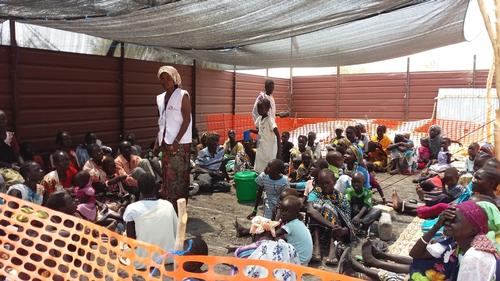
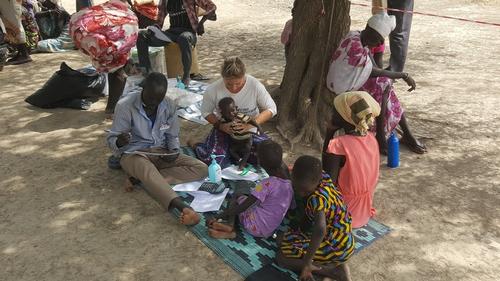
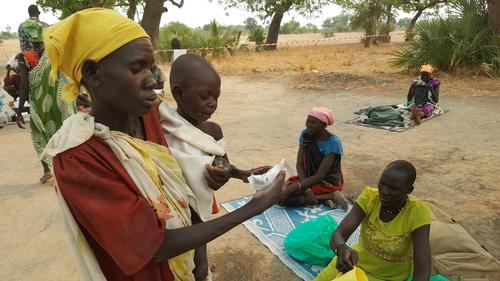
MSF has responded to the urgent medical needs of this displaced population by opening a field hospital with an inpatient, an outpatient and an emergency department in Aburoch, where up to 15,000 people have settled. Two mobile clinics are also operating south of Kodok where part of the displaced population has settled. Over the last two weeks, MSF is providing an average of 300 consultations a day, six times the number that was provided in Wau Shilluk where MSF used to run a hospital. PHOTOGRAPHER: Riaz Hussain on the 6th of March 2017
South Sudan

Urgent humanitarian assistance needed for thousands of people who fled fighting in Wau Shilluk

“The humanitarian needs of those that fled are vast and are not being met,” says Abdalla Hussein Abdalla, MSF’s deputy head of mission for South Sudan. Crisis Update - 15 Mar 2017
 
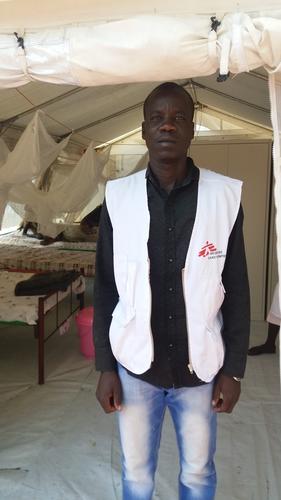
For the last two years, Francis Ronyo has worked as a nurse in MSF’s Wau Shilluk hospital. He was one of the national staff on duty when the decision was taken to evacuate and leave for Kodok. Since he arrived in Kodok, he doesn’t have a place to stay and ends up sleeping in the open with the rest of the people from Wau Shilluk. He however decided to continue serving the sick and the wounded in any way he could and is now  providing medical are in the MSF clinic in Aburoch
South Sudan

“My future is unclear, and I don't know what will happen to all of us from Wau Shilluk.”

Francis Ronyo worked as a nurse in MSF’s Wau Shilluk hospital for two years. He was one of the national staff on duty when the order was given to evacuate and leave for Kodok. Voices from the Field - 15 Mar 2017
 
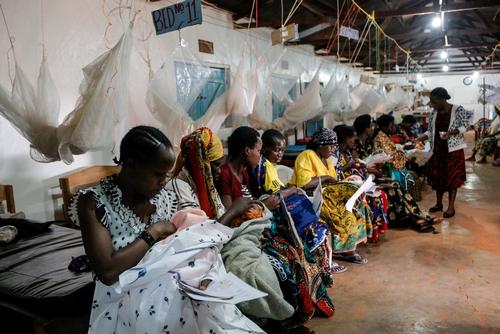
Sally Parker, MSF midwife, receives yet another pregnant woman at the MSF maternity. “Burundians are very stoic by nature. You will hardly ever hear them scream when they give birth, even though there is no epidural available here. Those who deliver for the first time might moan, but the tradition here is to stay silent.”
Mothers and their newborns stay only a few hours in the post-partum room. If there is no medical need for them or their baby to stay, they are directly sent home after having received supplementary vitamins. They will come back a week later for a medical checkup.
Tanzania

Humanitarian response in refugee camps still falling behind

"Although agencies have begun to scale up assistance, the humanitarian response still does not match the rate of new arrivals," says David Nash, head of mission for MSF. Project Update - 1 Mar 2017
 
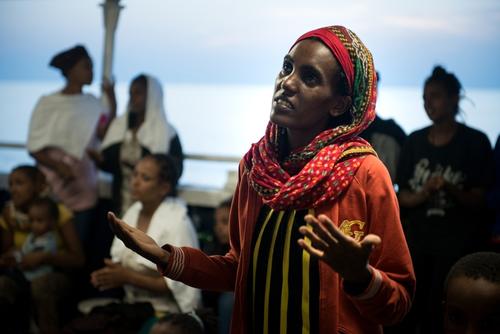
An Eritrean woman singing a prayer with other women and children after being rescued 02 September 2015 by the MSF MY Phoenix search and rescue vessel at sea.
Refugees, IDPs and people on the move

Dying to reach Europe: Insight into the desperate journeys Eritreans make to reach safety

"It is vital that the EU, Member States and other governments provide channels to safety and protection for Eritreans, and indeed all people fleeing conflict and persecution," said Arjan Hehenkamp, MSF General Director. Press Release - 27 Feb 2017
 
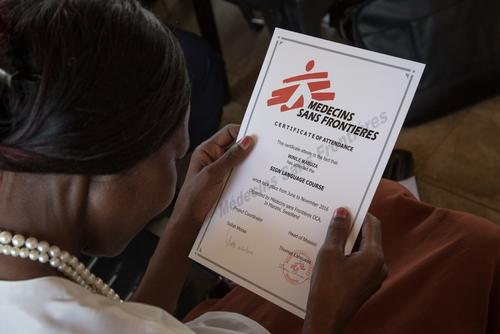
Winile, 39, XDR-TB patient & HIV-positive, received a sign language qualification. She became deaf due to the side effects of the treatment. Matsapha clinic, Manzini Region, Swaziland.
Eswatini

For patients with XDR-TB, treatment is a gruelling journey with severe side effects

Swaziland has one of the highest rates of TB and multidrug-resistant TB (MDR-TB) worldwide and 80 per cent of people in the country who contract TB are HIV positive. Voices from the Field - 27 Feb 2017
 
Jean François Saint-Sauveur
MSF Medical Director
Nigeria

“There are dramatic gaps in healthcare”

Jean François Saint-Sauveur, MSF medical director, ​​has just returned from Borno State, where he was able to visit three of MSF's projects. Voices from the Field - 23 Feb 2017
 
Philippa Pett, “Pippa”, MSF doctor from the UK and Richard, MSF Community health worker, are consulting a child suffering from malnutrition.
South Sudan

Our community health workers are the MSF project

After the Médecins Sans Frontières (MSF) hospital in Leer was repeatedly attacked, we realised we needed new ways to provide medical care. Dr Philippa Pett describes here how her team of local staff is providing healthcare to people on the move through a flexible network of mobile clinics. Voices from the Field - 21 Feb 2017
 
Roda is a mother of two. She attended the clinic with both children suffering from severe malnutrition. They had extensive skin disease, as they were both suffering from scabies and infection.
South Sudan

Protracted conflict at root of nutrition crisis

“The extreme level of violence has had a severe impact on people’s ability to meet basic needs such as safe drinking water, food supplies, shelter and healthcare,” says MSF project coordinator Nicolas Peissel. Project Update - 21 Feb 2017
 
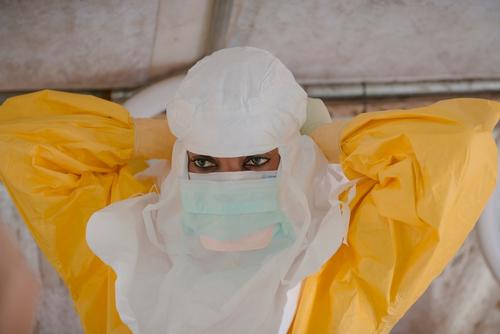
MSF staff dressing in PPE to enter the high risk zone at MSF ETC in Donka, Conakry.
Ebola and haemorrhagic fevers

The Politics of Fear

New MSF book reveals that a fear-crippled response caused unnecessary deaths and suffering during the West African Ebola epidemic Press Release - 21 Feb 2017
 
Tanzania

Testimonies from refugees in Nduta and Nyarugusu camps

Over 290,000 people live in refugee camps in Tanzania's northwestern Kigoma district. Voices from the Field - 20 Feb 2017
Four mothers posing in a corridor of the Hospital in Bili. All four of them are staying in the hospital with their child, that's suffering from a severe case of malaria. Since the beginning of the project in 2016, the pediatric ward already treated more than 4.000 cases of complicated/severe form of malaria.
Médecins Sans Frontières (MSF)

Independent medical humanitarian assistance

We provide medical assistance to people affected by conflict, epidemics, disasters, or exclusion from healthcare. Our teams are made up of tens of thousands of health professionals, logistic and administrative staff - most of them hired locally. Our actions are guided by medical ethics and the principles of independence and impartiality. We are a non-profit, self-governed, member-based organisation.

Learn more