



Ebola disease in DRC: find out how we're responding
Learn more
1758 Results
 
ENG
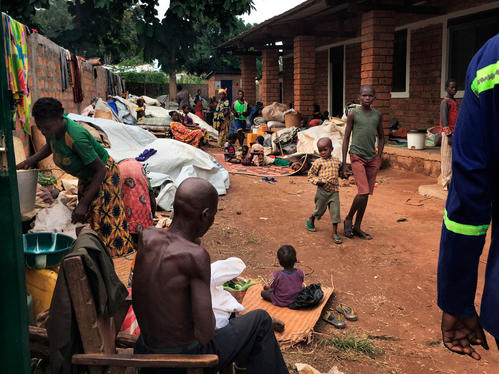
10,000 people displaced by the fighting that erupted last week in Batangafo (north of Central African Republic) are still sheltering in the compound of the hospital managed by MSF. The teams there have tried to improve water provision, sanitation and hygiene conditions. The displaced people were forced out of the camp in which they were sheltering after it was looted and burned down during the fighting. 
The hospital is considered just one of a handful of “safe spaces” left in Batangafo. MSF calls on those organisations responsible to facilitate the necessary conditions to ensure the safe return of the people to the camp. 11 people  died, and nine wounded individuals were treated by MSF teams. 

SPA
Alrededor de diez mil personas, desplazadas por los violentos enfrentamientos de la semana pasada en Batangafo, (en el norte de la República Centroafricana), siguen refugiadas en el recinto del hospital de la ciudad, gestionado por MSF. Los equipos están tratando de mejorar las condiciones de higiene y provisión de agua y saneamiento en la zona. La comunidad tuvo que huir del campo de desplazados en el que se refugiaban debido a la violencia. Buena parte del campo fue saqueado y posteriormente incendiado. 

El hospital es considerado como uno de los escasos lugares seguros en Batangafo: MSF hace un llamamiento para que se faciliten las condiciones necesarias para el retorno con seguridad de los refugiados en el recinto hospitalario al campo de desplazados.
Central African Republic

10,000 people sleep in Batangafo hospital after camp is looted and burned

Batangafo has once again been plunged into chaos, with a wave of killings and lootings. A number of aid organisations were robbed. Project Update - 10 Aug 2017
 
A general view of the hospital compound.
Due to the ongoing insecurity, most of the eastern countryside of Borno state where these large displacements are happening remains difficult to reach for humanitarian organisations, with the exception of a few towns. Most of the aid agencies working in the state are present in the capital, Maiduguri, but only a few are able to operate continually in the hard-to-reach areas where assistance is most needed.
Nigeria

Crisis Update - July 2017

Hundreds of thousands of people remain almost entirely dependent on aid for their survival.
Crisis Update - 10 Aug 2017
 
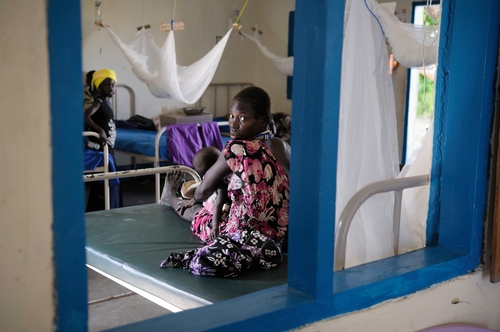
In the in-patient department of MSF's clinic in Pibor.

Photo series taken in Pibor and Gumuruk to accompany the November 2012 Jonglei Report, describing the consequences of violence in South Sudan's Jonglei State. Direct consequences seen by MSF include gunshot and stab wounds, many women and children being among the victims. The less visible, but equally serious, indirect consequences of the violence are when people flee into the bush with no possessions, vulnerable to malaria, pneumonia and diarrhoea. Furthermore, healthcare itself is under threat, and four of MSF's six clinics in Jonglei state have been looted, damaged or destroyed in the past year and a half.
South Sudan

MSF strongly condemns the armed robbery of its clinic

“This event forced us to evacuate part of our team and reduce our activities at a time when people are in desperate need of healthcare.” Press Release - 14 Jul 2017
 
msf-placeholder
Central African Republic

Baby brutally killed at a hospital

“The callousness of this attack highlights both the indiscriminate nature and disturbing escalation in violence in CAR against civilians" Statement - 12 Jul 2017
 
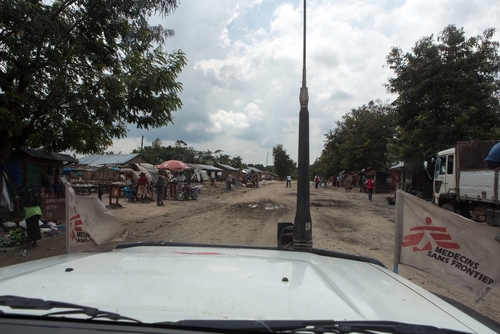
La route entre les village de Kinyandoni et Kiwanja, situés à environ 70km au nord de Goma, dans la province du Nord-Kivu, en République démocratique du Congo, le 19 décembre 2015.     /     The road between the villages of Kinyandoni and Kiwanja, located about 70km north of Goma in the province of North Kivu, in the Democratic Republic of Congo, on December 19th, 2015.
Democratic Republic of Congo

Release our colleagues abducted four years ago

Despite our efforts, and the escalation in violence in DRC and more particularly in North Kivu, MSF has still not ascertained the whereabouts of our three colleagues. Press Release - 11 Jul 2017
 
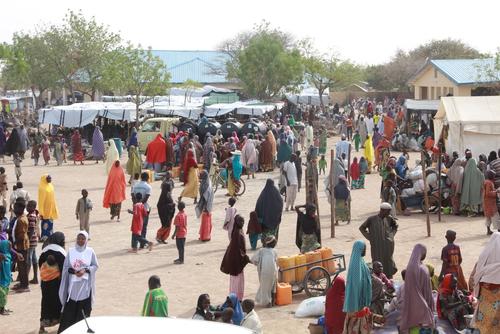
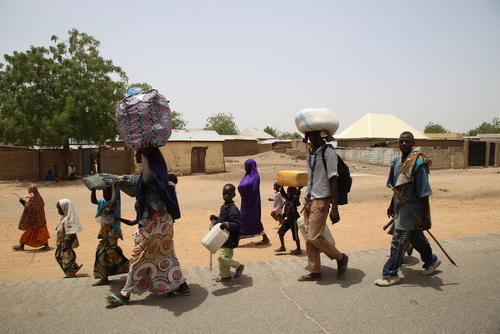
Displaced people arrive in the town of Pulka, in the northeast of Nigeria.
Nigeria

On the move and unable to move because of conflict

“We settled here because we thought it was a safer place. We don’t think it is safe enough to go back there yet.” Voices from the Field - 7 Jul 2017
 
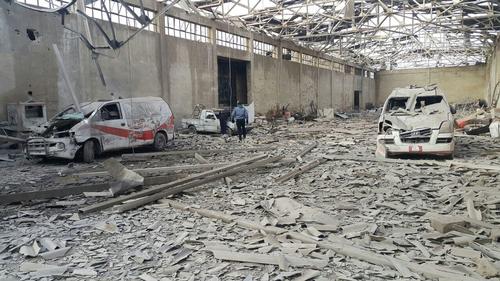
The last two functional ambulances in Al-Marj neighbourhood (in the East Ghouta besieged area near Damascus) were destroyed beyond repair in an aerial bomb attack on Monday 05 December 2016. They were parked in the hospital’s warehouse/garage, very near to the makeshift hospital’s location. Two hospital cars, used to transporting supplies and medical personnel, were also destroyed in the blast. The lack of ambulances will have an impact on the ability to quickly treat wounded when there is bombing or shelling in the area, but above all it will affect the capacity to refer the most sick patients to larger secondary referral hospitals. The makeshift hospital in Al-Marj is not equipped for complex or long-term in-patient hospital care, and this could have a big impact on the ability to refer patients for appropriate secondary care.
Global health

MSF urges G20 to take action on health issues

“The G20 leaders need to improve people’s access to medical care and turn their words into action.”
Press Release - 6 Jul 2017
 
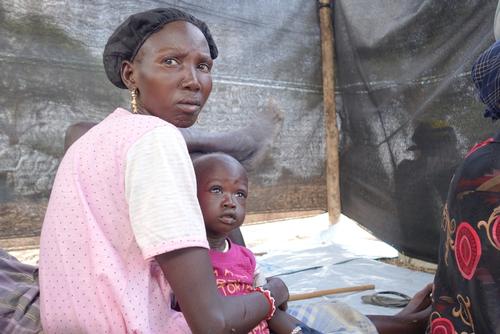
Mary in clinic with her son David.
“All I was able to take with me was one jerry can,” says Mary, who is sitting in the waiting area of the MSF clinic that was setup within days of the fighting. She holds her sick two-year-old son David in her arms as she explains that her house has been burnt and she had to beg for plastic sheeting while inside the camp so that her family of six could have any shelter at all. With her house in town destroyed and all her possessions stolen, her family’s future is not clear. “We have nothing to build a new house with,” she says.
South Sudan

Malnutrition on the rise in Pibor

The number of children suffering from acute malnutrition around the town of Pibor has trebled in a year and is likely to rise. Project Update - 5 Jul 2017
 
msf-placeholder
Democratic Republic of Congo

MSF provides emergency medical care in conflict-affected Kasai region

Since 10 May, MSF has cared for 198 patients in its emergency department in Kananga, a city of 750,000 people in Kasai Central region. Project Update - 5 Jul 2017
 
msf-placeholder
Central African Republic

Zemio, a new town under fire

"The inhabitants of Zemio had no time to take anything with them when the shooting started on Wednesday morning.” Press Release - 4 Jul 2017
Four mothers posing in a corridor of the Hospital in Bili. All four of them are staying in the hospital with their child, that's suffering from a severe case of malaria. Since the beginning of the project in 2016, the pediatric ward already treated more than 4.000 cases of complicated/severe form of malaria.
Médecins Sans Frontières (MSF)

Independent medical humanitarian assistance

We provide medical assistance to people affected by conflict, epidemics, disasters, or exclusion from healthcare. Our teams are made up of tens of thousands of health professionals, logistic and administrative staff - most of them hired locally. Our actions are guided by medical ethics and the principles of independence and impartiality. We are a non-profit, self-governed, member-based organisation.

Learn more