



Ebola disease in DRC: find out how we're responding
Learn more
115 Results
 
msf-placeholder
Somalia

Addressing health needs of women and children in Baidoa

In Somalia, maternal mortality rates are among the highest in the world. In Baidoa, southern Somalia, MSF teams are working to improve the lives of pregnant women and babies. Project Update - 21 Mar 2019
 
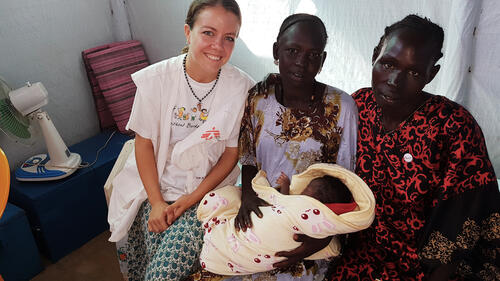
Ethiopia, Gambella Region: In the Kule Refugee Camp MSF runs a Health Center with around 120 beds. Around 54.000 refugees live in the Camp, they have fled the conflict in South Sudan. Midwife Christine Tasnier with Nyadak That and her baby Nyamire. “The birth was very difficult. But meanwhile, we were able to dismiss mother and child healthy. Right in the picture is Moskito - our translator and the aunt of Nyadak”, says Christine Tasnier.
Ethiopia

A name full of hope

Midwife Christine Tasnier and her colleagues work in the maternity ward of the 120-bed health centre MSF runs in Kule refugee camp, in Ethiopia. Around 54,000 refugees live in the camp, having fled the conflict in South Sudan. Voices from the Field - 30 Oct 2018
 
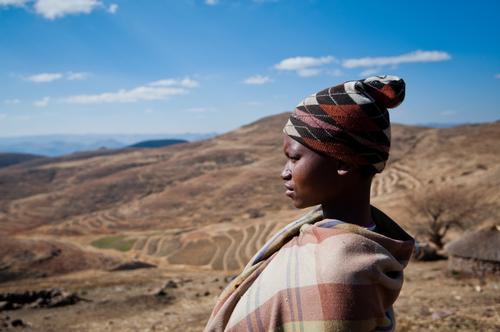
Mamotsieleli Molofotsane is around 20 years old she says. She has three children and is pregnant with her fourth.  Mamotsieleli has been tested HIV positive and is on ARV treatment. Her three children have been tested HIV negative.  To go to the MSF supported clinic of Ha Seng, she has to walk many hours. She already missed an appointment for a refill of her ARV drugs due to the distance and a problem with her feet.  In Lesotho, the health centers are very scattered. Women have to walk many hours and sometimes even have to sleep overnight before they can reach the health center.  As a result, many women have a poor adherence to their treatment.  Some are not coming to the health centers on a regular basis.  When a pregnant woman like Mamotsieleli doesn’t adhere well to her ARV treatment,  it increases the risk for her to transmit the virus to her child.   It also means that her treatment will not work properly for herself: she will get sick, resistant to treatment and ultimately risk death.  Maternal mortality -linked to HIV- in Lesotho is one of the highest in the world.
Women's health

"I’ve seen with my own eyes, safe abortion saves women's lives"

Dr Manisha Kumar talks about her experience in the field with women needing access to safe abortion care and efforts to increase access to contraceptive and safe abortion care services offered by MSF projects. Interview - 27 Sep 2018
 
Women are waiting at the MSF supported hospital in Masisi, North Kivu, DRC. The MSF teams support the full extent of primary and secondary health care services (surgery, internal medicine, gynecology, maternity, pediatric, neonatology as well as a « village d’accueil » for women in their third trimester of a risky pregnancy who can stay there to ensure they have access to medicalized support to give birth) and undertake mobile clinics with a focus on malaria (curative/preventative) in remote health posts; watsan & health promotion.
Democratic Republic of Congo

48 hours on the frontline of maternity care

blogs.msf.org - 24 Sep 2018
 
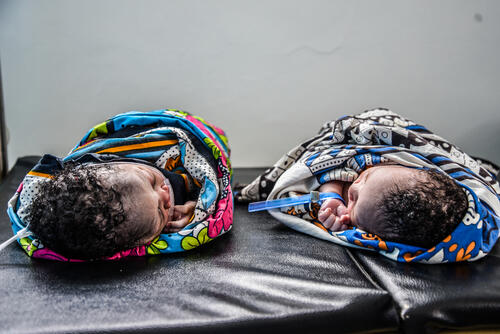
Newborn babies in the MSF facility in Likoni
Kenya

Tales from MSF’s ‘Container Village’ in Likoni

While renovating and expanding the old Mrima health centre in Likoni, Kenya, MSF set up an innovative shipping-container facility where it offered sexual and reproductive health services, including caesarean sections. In the two and a half years it was operational before services were moved to the new facility in May 2018, MSF’s medical team assisted 11,578 deliveries in the ‘Container Village’. Photo Story - 16 Aug 2018
 
Fajimatou is 33 years old and has four children. She had been suffering from an obstetric fistula for three years ever since her last child was born. Thanks to the listening space set up in her village, she finally had the confidence to speak openly about her pain and MSF was able to help her get the necessary surgery.
Niger

In Diffa, listening spaces have been set up for and by women from the community

Three years ago, Fajimatou gave birth to her fourth child. Since then, she had been suffering from incontinence and regular urinary infections. Too embarrassed to raise this problem with the staff at the health post, she had kept it to herself. When she heard about the listening space for women set up by MSF in her village, it was a real relief. msf.lu - 4 May 2018
 
MSF staff giving vaccinations in Douentza.
Mali

Medical services in northeastern Mali

Photo Story - 13 Mar 2018
 
Old Fangak, South Sudan, the river gate of the MSF hospital, through which patients arrived during mass casualty events.
South Sudan

“I left my namesake in Old Fangak”

Judith Elavian is a midwife from Kenya. She recently completed her first MSF assignment in Old Fangak, South Sudan. She shares the story of a patient she will never forget. blogs.msf.org - 23 Jan 2018
 
Ummi, 4 years old, was treated for Hepatitis E at MSF's hospital in Ngala.
Nigeria

“People are dying of hepatitis E because they don’t have soap or clean water”

Hundreds of people in a camp in northeastern Nigeria have been infected with hepatitis E after the disease spread from neighbouring Niger. The highly contagious disease has spread quickly through Ngala camp. Project Update - 10 Aug 2017
 
Diffa town, the maternal and paediatric health centre. Kaka Wali, seen here, is 20 years old.  Kaka was discharged from the hospital two weeks ago. As part of her medical follow-up she is having a medical consultation with Dr Camara Broulaye. Last May, she was admitted to the intensive care unit due to severe complications related to hepatitis E. She suffered a miscarriage whilst in a coma. In addition to medical care, Kaka also received mental health support.
Niger

Hepatitis E outbreak in Diffa – 186 pregnant women admitted to hospital

The hepatitis E outbreak declared two months ago in southeastern Niger is particularly affecting pregnant women. Project Update - 19 Jun 2017
Four mothers posing in a corridor of the Hospital in Bili. All four of them are staying in the hospital with their child, that's suffering from a severe case of malaria. Since the beginning of the project in 2016, the pediatric ward already treated more than 4.000 cases of complicated/severe form of malaria.
Médecins Sans Frontières (MSF)

Independent medical humanitarian assistance

We provide medical assistance to people affected by conflict, epidemics, disasters, or exclusion from healthcare. Our teams are made up of tens of thousands of health professionals, logistic and administrative staff - most of them hired locally. Our actions are guided by medical ethics and the principles of independence and impartiality. We are a non-profit, self-governed, member-based organisation.

Learn more