




Ebola disease in DRC: find out how we're responding
Learn more
431 Results
 
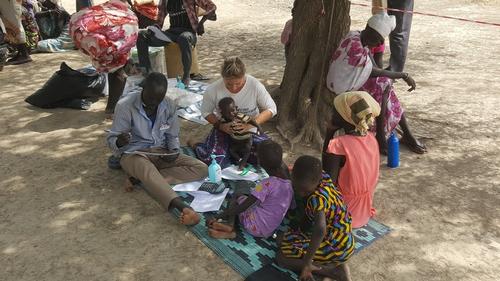
Philippa Pett, “Pippa”, MSF doctor from the UK and Richard, MSF Community health worker, are consulting a child suffering from malnutrition.
South Sudan

Our community health workers are the MSF project

After the Médecins Sans Frontières (MSF) hospital in Leer was repeatedly attacked, we realised we needed new ways to provide medical care. Dr Philippa Pett describes here how her team of local staff is providing healthcare to people on the move through a flexible network of mobile clinics. Voices from the Field - 21 Feb 2017
 
Tanzania

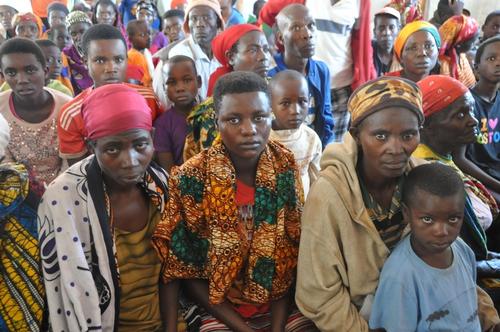
Testimonies from refugees in Nduta and Nyarugusu camps

Over 290,000 people live in refugee camps in Tanzania's northwestern Kigoma district. Voices from the Field - 20 Feb 2017
 
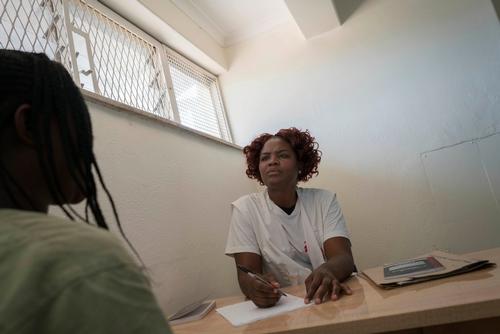
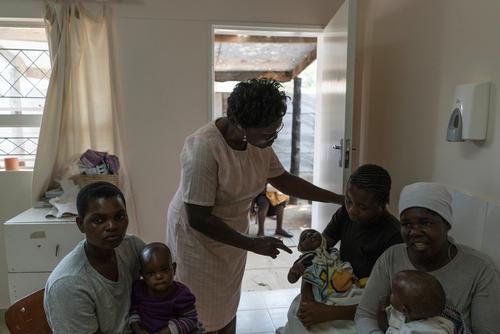
Olivia Mangwiro, clinical psychologist talks to a patient in the mental heath ward.
Zimbabwe

“If I don’t help mentally ill patients, who will?”

Since 2012, MSF has run mental health programmes in Zimbabwe with the Ministry of Health and Child Care and the Zimbabwe Prisons and Correctional Services. Voices from the Field - 16 Feb 2017
 
msf-placeholder
Nigeria

MSF supports awareness of sexual violence in Port Harcourt

In early 2015, MSF opened the first comprehensive programme dedicated to survivors of sexual violence in Port Harcourt, Nigeria. Voices from the Field - 5 Feb 2017
 
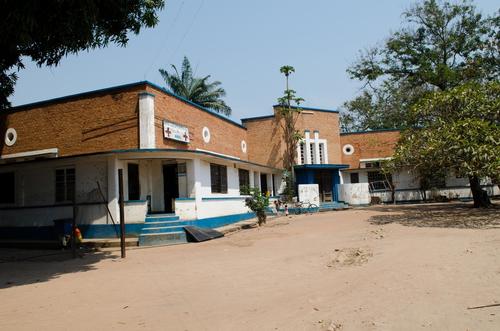
Manono General Hospital.
Democratic Republic of Congo

More than 200 people treated for injuries at Manono hospital, Tanganyika

"In December, the hospital's surgical department was overwhelmed. There were people everywhere, lying on the floor waiting to be treated," says Gaudia Sironi, MSF Field Coordinator. Voices from the Field - 23 Jan 2017
 
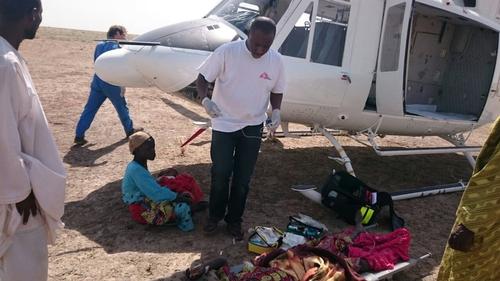
Mohammed, Medco is evacuating wounded people after the bombing of one IDP camp in Rann.

“There are no health facilities in Rann. Nothing. The first health facilities are 2 hours away from Rann. Most of the victims that we saw where children”.
Mohammed Musoke, medical coordinator for OCP based in Maiduguri.
Nigeria

"Most of the dead and injured were women and children"

My colleague and I personally evacuated a number of severely injured patients, taking them to various hospitals in Maiduguri. Voices from the Field - 20 Jan 2017
 
A bombing by the Nigerian Army has occurred in an internally displaced person camps in Rann, Nigeria. MSF teams have seen 120 wounded and at least 50 dead following the bombing. Teams are trying to provide emergency first aid in its facility and are stabilizing patients to evacuate wounded. We are asking the authorities to put all measures in place in order to facilitate the emergency evacuation of wounded (by air and land). Our medical and surgical teams in Cameroon and Chad are ready to treat wounded patients.
Nigeria

“I can’t find the words to describe what I saw in Rann”

What the survivors of the bombing have lived through is so hard, so violent. Rann was their safe haven. The army that was meant to protect them bombed them instead. We have to remain at their side. Voices from the Field - 19 Jan 2017
 
Alice Otiato, MSF’s Project Coordinator at the Epworth Clinic on Harare’s outskirts.
Alice Otiato talks to a mother at Epworth Clinic. Her child is severely handicapped and the mother is upset that people have told her she is to blame. Alice encourages the mother to be strong and not to listen to unfriendly words from other people. ‘The only thing that matters is your child,’ Alice reassures her.
Zimbabwe

A decade later in Epworth, life grows

"My typical day at Epworth, it’s a busy day. You never know what’s going to come up. We have a cohort of over 11,000 patients, so on average we see 350 to 400 patients," says Alice, MSF’s Project Coordinator at the Epworth clinic on Harare’s outskirts. Voices from the Field - 28 Nov 2016
 
12-year-old Nyanjima Mayot with her mother Adau Wek. Nyanjima is one of the first patients on MSF’s home insulin treatment programme in Agok, South Sudan. She can administer her own treatment at home under the supervision of her mother, only needing a medical check-up once a month.
South Sudan

Bringing diabetes treatment home

MSF decided to train patients and their caretakers on how to administer the insulin so that they would no longer have to come to the hospital every day. Voices from the Field - 25 Nov 2016
 
Rose Roba, 37 from Yei in South Sudan. She waits at the MSF outpatient clinic in Bidi Bidi refugee camp in Norther Uganda, to receive medicine for her sonwho has a fever and has been vomiting. 

"I came to Uganda because of the violence in South Sudan. 

"They kidnapped my next door neighbor's husband and chopped him in to pieces. Then they cut up his wife and threw the body in to a channel of water near our village. They also slit their child's throat and cut his head in 2 and placed his body next to his mother's in the water. 

"This filled me with fear. I was worried I would be next. I knew I had to take off."

She walked for 4 days and was given a lift by rebel troops for a fifth day before arriving at the Ugandan border. Here she is struggling with the living conditions and her children have fallen ill.
Uganda

Testimonies from Bidi Bidi refugee camp

"I would not easily walk back into South Sudan and towards death. I ran away from there in fear and I am so relieved I managed to save my and my children’s lives," says Rose, a refugee from Greater Equatoria region, South Sudan. Voices from the Field - 17 Nov 2016
Four mothers posing in a corridor of the Hospital in Bili. All four of them are staying in the hospital with their child, that's suffering from a severe case of malaria. Since the beginning of the project in 2016, the pediatric ward already treated more than 4.000 cases of complicated/severe form of malaria.
Médecins Sans Frontières (MSF)

Independent medical humanitarian assistance

We provide medical assistance to people affected by conflict, epidemics, disasters, or exclusion from healthcare. Our teams are made up of tens of thousands of health professionals, logistic and administrative staff - most of them hired locally. Our actions are guided by medical ethics and the principles of independence and impartiality. We are a non-profit, self-governed, member-based organisation.

Learn more