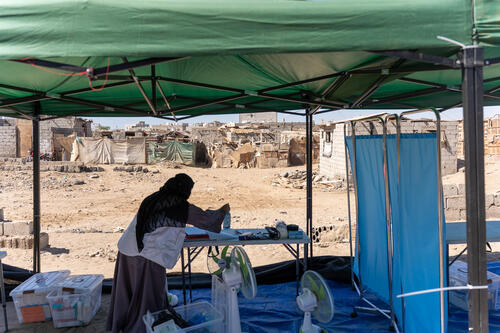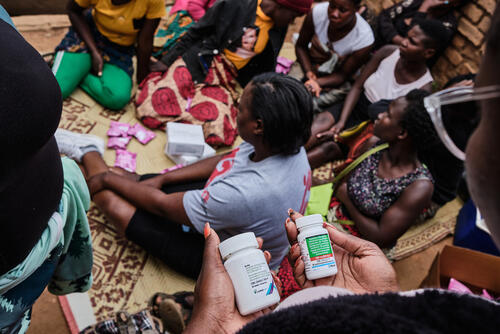
In November 2025, the Global Fund, the main funder of a worldwide response to HIV, tuberculosis, and malaria, will host its eighth replenishment conference, where donor countries will make pledges to fund its vital, life-saving work.
Ahead of the conference, Médecins Sans Frontières (MSF) has released a report based on our experience with the communities we serve. This report highlights the challenges this replenishment faces, including the impact of shrinking donor support. Without sufficient funding there will be antiretroviral, antimalarial and tuberculosis drug stockouts, people will travel long distances only to be turned away at dispensaries, community health workers will go unpaid or under-supported, and critical prevention activities will be neglected. These challenges are not confined to ‘fragile’ settings. People in countries with functioning health systems that are simply under-resourced will also feel the impacts.
This report references findings from Burundi, Central African Republic (CAR), Democratic Republic of Congo (DRC), Guinea, Kenya, Malawi, Mali, Mozambique, Pakistan, Philippines, South Sudan, and Sudan.
The stakes for replenishment are high. Now is the time to step up—to protect gains made and ensure a future where HIV, tuberculosis, and malaria do not threaten millions of lives.
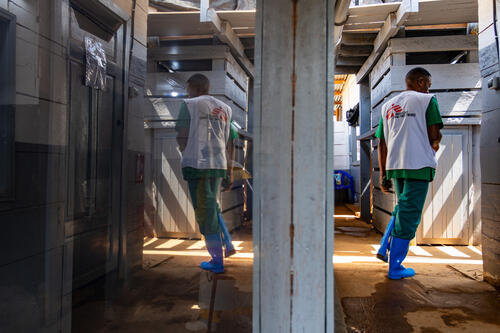
DRC Ebola outbreaks
Children are being left behind in the current Ebola disease outbreak response
Press Release
15 Oct 2026
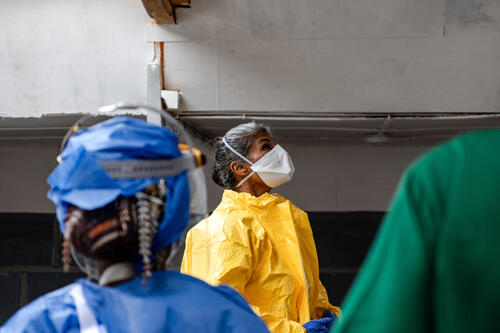
DRC Ebola outbreaks
What will it take to end the Ebola disease outbreak in Democratic Republic of Congo?
Project Update
30 Sep 2026