


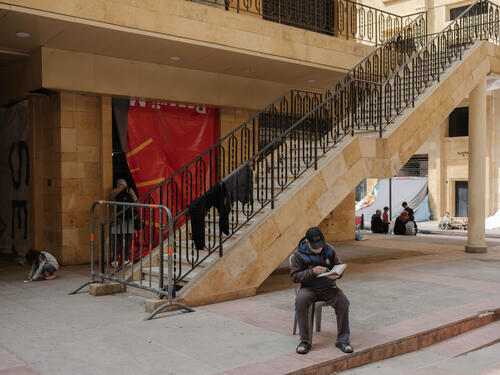
Beirut – Four weeks into the latest escalation of conflict in Lebanon, Israel’s ongoing bombardment and the subsequent forced displacement of people is severely impacting people’s lives and their access to essential services, warns Médecins Sans Frontières (MSF). MSF calls for the protection of civilians and healthcare, and for an end to measures that force people indefinitely from their homes.
Since 2 March, civilians have faced increasingly dire conditions, as a marked escalation of attacks by Israeli forces has forced more than one million people from their homes and disrupted their access to healthcare. According to the Ministry of Health, 1,039 people have been killed – 12 per cent of whom are children – between 2 and 23 March.
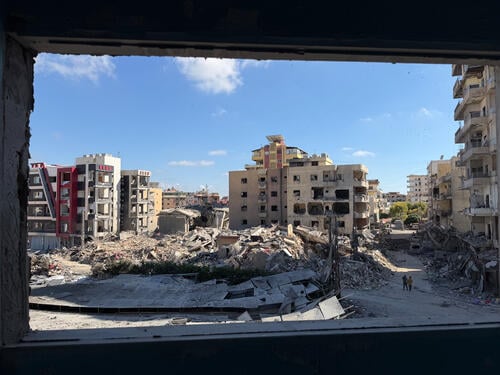
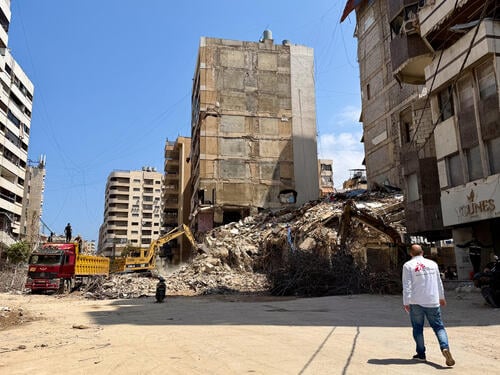
Combined with ground attacks and repetitive airstrikes targeting civilian infrastructure such as bridges in southern Lebanon, these actions are effectively isolating large cities and numerous villages south of the Litani river, along with their remaining residents, from the rest of the country.
We call for the protection of civilians and medical structures at all times, allowing people to continue to access healthcare and other essential services.Dr Tejshri Shah, MSF general director
“We are worried about the safety of the civilians who did not leave these areas, whether by choice or by lack of means,” says Dr Tejshri Shah, MSF General Director, who is visiting Lebanon.
“We call for the protection of civilians and medical structures at all times, allowing people to continue to access healthcare and other essential services.”
Evacuation orders collectively covering 14 per cent of Lebanon’s area has resulted in the displacement of one-in-five people in Lebanon. Even in places outside the marked ‘evacuation’ zones, including parts of Beirut and the southern parts of the country, people live under the immediate threat of recurrent air and drone strikes.
Despite forced displacement orders, many people have chosen to stay, rather than abandon their homes and villages. Others have had no choice due to socio-economic and medical vulnerabilities. This has made it extremely difficult for them to access medical care, and similarly difficult for medical and humanitarian workers to reach them.
Leukaemia patient in Beirut
“I fled with nothing and I have nowhere to go. I had hopes I almost beat cancer. Now, I spend nights in a tent in a park, and I don’t know where I’ll find my next dose of medication or how I’ll continue my treatment.”
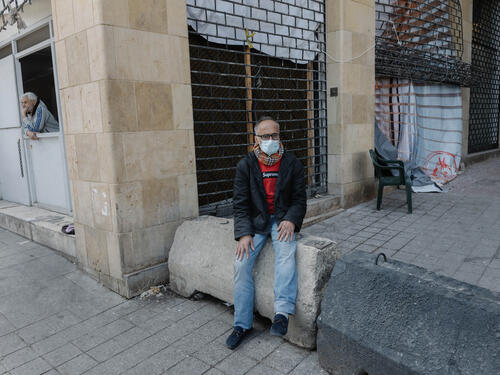
“Hospital staff in Nabatiyeh, who decided to continue working there, have no choice but to shelter inside the hospital, avoiding car travel, and in search of safety,” says Dr Luna Hammad, MSF medical coordinator. She visited the Nabatiyeh Governmental hospital, one of the hospitals receiving the most casualties in Lebanon.
“They have been enduring this for weeks, with very little rest, carrying the weight of constant pressure and fear while hospitals continue to receive mass casualty events,” says Dr Hammad.
Several hospitals in southern Lebanon remain functional and are providing initial emergency care and referrals. MSF is supporting these facilities with medical supplies, fuel for electricity, and essential relief items such as blankets and hygiene kits.
According to World Health Organization, as of 23 March, more than 63 attacks on healthcare facilities have been reported, with 40 healthcare workers killed and another 91 injured. More than five hospitals have been forced to evacuate, and more than 54 basic healthcare centres across Lebanon have had to close, further limiting access to essential health services.
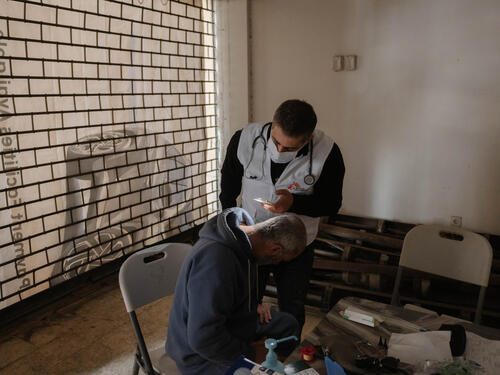
A displaced 56-year-old leukaemia patient who visited one of MSF’s mobile clinics described the impact of disrupted care after hospitals were evacuated:
“I fled with nothing and I have nowhere to go. I had hopes I almost beat cancer,” he says. “Now, I spend nights in a tent in a park, and I don’t know where I’ll find my next dose of medication or how I’ll continue my treatment.”
In parts of Beirut, Mount Lebanon, South Lebanon, North Lebanon and Akkar, MSF teams are providing basic healthcare, referrals, and support to help people continue treatment. However, sustained access to specialised and chronic care remains disrupted.
As bombardment and displacement continue, the space for people to survive and for health services to function is shrinking day by day. MSF calls for the protection of civilians and healthcare, and for an end to measures that force people indefinitely from their homes and cut them off from treatment.

Refugees, IDPs and people on the move
Military threats and forced displacement expose health risk for communities in southern Beirut
Project Update
5 Jun 2026