


Over the past eight years, Médecins Sans Frontières (MSF) has published annual figures on reports of abuse and misconduct in our organisation. The latest figures tell an important but difficult story. As in previous years, the number of complaints has continued to increase. This may mean people are more aware of our reporting systems, and feel more confident coming forward, but it also makes clear the scale of the work still ahead to prevent and address abuse in our organisation.
Among the most serious cases we confronted last year were those in eastern Chad. Investigations we completed in June 2025, following alerts reported in the media, found serious abuse and misconduct involving people working for MSF, including sexual exploitation, abuse, and harassment.
Our review involved 16 investigators working over eight months to examine 59 allegations concerning employees and others, such as suppliers, who were connected to MSF. Where we were able to establish serious misconduct and identify those responsible, action was taken. Eighteen staff were dismissed and permanently barred from working with MSF.
Most importantly, I want to acknowledge the harm caused to the patients and colleagues who were abused. As International President of MSF, I feel a profound sense of responsibility and regret that we failed to keep people safe. Sexual exploitation, abuse and harassment are completely incompatible with MSF’s principles, values and safeguarding commitments. When they occur, they represent a profound abuse of trust and can have devastating consequences for survivors, communities and our colleagues.
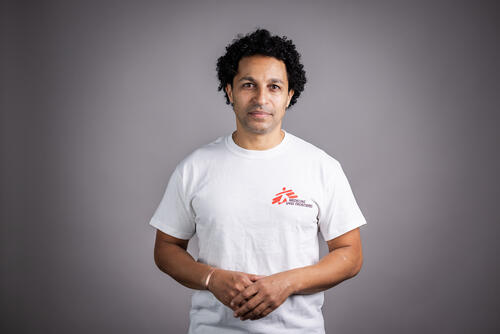
Most importantly, I want to acknowledge the harm caused to the patients and colleagues who were abused.Dr Javid Abdelmoneim, MSF International President
As someone of Sudanese heritage, with family members who fled the war in Sudan, what happened in eastern Chad also affects me personally. Women who had already survived horrific violence in Sudan and sought safety in Chad had every right to expect dignity, respect and safety from MSF. Female colleagues were also among those affected. This is unacceptable and should never have happened.
Our investigations identified important shortcomings in the safeguarding measures we had in place. As our teams rapidly expanded to respond to hundreds of thousands of people arriving from Sudan, we had not consistently ensured that all staff understood and upheld our behavioural commitments, nor had we systematically assessed and mitigated safeguarding risks. We should have done more to ensure that patients, community members and staff knew how to report abuse safely and confidentially.
We must also acknowledge that the support we provided to the survivors we were able to identify was limited, beyond medical and psychological support.
Considerable barriers can prevent survivors from accessing support, inside and outside MSF, and these can be even more acute in the places where we work. Survivors may face significant stigma and consequences for coming forward; appropriate survivor-centred services may be limited, difficult to access, or not widely known or trusted; and women in particular may face practical constraints, including caring responsibilities, that make it difficult to seek or receive support. This makes prevention work and actively trying to detect abuse cases before harm is caused, even more important.
Despite these challenges, greater efforts were needed to proactively engage with survivors, understand their individual needs and preferences, and identify appropriate forms of assistance, including support beyond that which MSF could directly provide.
The findings have led us to make important changes in eastern Chad. We have strengthened recruitment, induction and training processes, carried out risk assessments across our programmes, put in place measures to mitigate identified risks, and increased the safeguarding support available to our teams so they can identify and respond to risks earlier. We have also worked with patients, women’s groups and community leaders to build awareness of what constitutes abuse and ensure people know how to report concerns.
Beyond eastern Chad, over the past year, we have strengthened our global screening processes to prevent people found to have committed abuse or serious misconduct from moving between MSF projects and being rehired elsewhere in the organisation. We are also working to improve the package of support we can provide to survivors. You can read more about the events in eastern Chad and our response in our dedicated explainer on investigating abuse and strengthening prevention in eastern Chad, which you can access here.
What happened in eastern Chad also reflects broader inequalities and power imbalances that we have a responsibility to confront within MSF. Women face a higher risk of abuse, particularly sexual abuse, while conflict, displacement, deprivation and dependence on humanitarian assistance can create significant imbalances of power that can further amplify risks of abuse. These circumstances make it even more important for us to ensure the safeguards we have in place, across all our projects, are as strong as possible.
These circumstances make it even more important for us to ensure the safeguards we have in place, across all our projects, are as strong as possible.Dr Javid Abdelmoneim, MSF International President
We are not starting this work from scratch. Years of efforts by teams across MSF have strengthened how we prevent, detect, and respond to abuse. However, what happened in eastern Chad shows that significant gaps remain. We need to make faster and more substantial progress.
As a doctor, I recognise that creating safe environments for patients, communities and colleagues is fundamental to who we are as a medical humanitarian organisation and to our medical and ethical commitment to do no harm. I take that responsibility extremely seriously.
Every MSF project and office must be a place where people feel safe, respected and protected; where abuse is not tolerated; where people are always encouraged and supported to report unacceptable behaviour; and where the voices and experiences of those who are most affected help shape how we prevent and respond to abuse. Continuing to strengthen this urgent work demands attention, accountability and action from every MSF colleague, every single day.
Chad
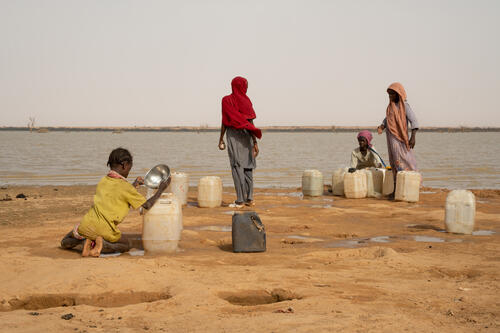
Sudanese refugees face the effects of humanitarian funding cuts in Ouré-Cassoni, Chad
Project Update
7 Sep 2026
Chad
One in five pregnant women in eastern Chad are malnourished amid funding cuts
Press Release
30 Jul 2026