Today marks three years since the brutal murders of our colleagues, María Hernández Matas, Tedros Gebremariam and Yohannes Halefom Reda, who were killed while providing lifesaving support to communities affected by conflict in the Tigray region of Ethiopia.
During this period, MSF has continued to engage with various representatives of the Federal Republic of Ethiopia (FDRE), and they have informed us on several occasions that an investigation into our colleagues’ killings is ongoing. While we acknowledge such a process demands thoroughness, rigour, and time, we remain hopeful the findings will be available soon. It is critical to ensure the families of María, Tedros and Yohannes receive a credible and transparent account of what happened, to recognise, honour and do justice to their memory, and to help alleviate their families’ pain.

Sadly, the anniversary of the murders of our colleagues comes at a time where attacks against humanitarian aid workers are increasing globally, including in contexts such as Gaza and Sudan. In Ethiopia, two aid workers were killed in separate incidents as recently as 24 May and 9 June this year, like others before them in the three years since María, Yohannes and Tedros lost their lives.
A recently passed UN Security Council resolution (#2730)https://undocs.org/Home/Mobile?FinalSymbol=S%2FRes%2F2730(2024)&Language=E&DeviceType=Desktop&LangRequested=False urges states to carry out full, prompt and impartial investigations into violations against humanitarian aid workers in their territory. The completion of the investigation into the killing of María, Tedros and Yohannes would align with this call. More than ever, there is an urgent need for ensuring safe, rapid, and unhindered humanitarian access to reach people in need.
Ethiopia
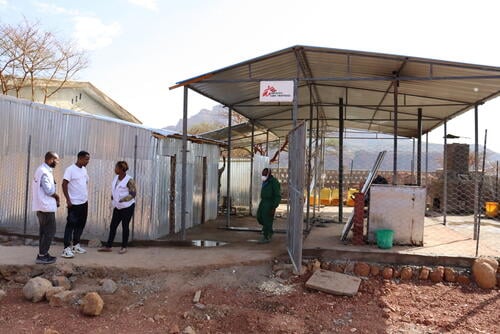
Handing over activities at Abiy Adi hospital after recovery from conflict
Project Update
19 Aug 2024