


Learn more about the LGBTQI+ community and access to healthcare
On this page, you can find resources intended for educational and training purposes on various subjects: inclusive language, healthcare disparities, sexual orientation and gender identity, and more.
If you an have MSF work email, you can access additional resources on our sharepoint portal
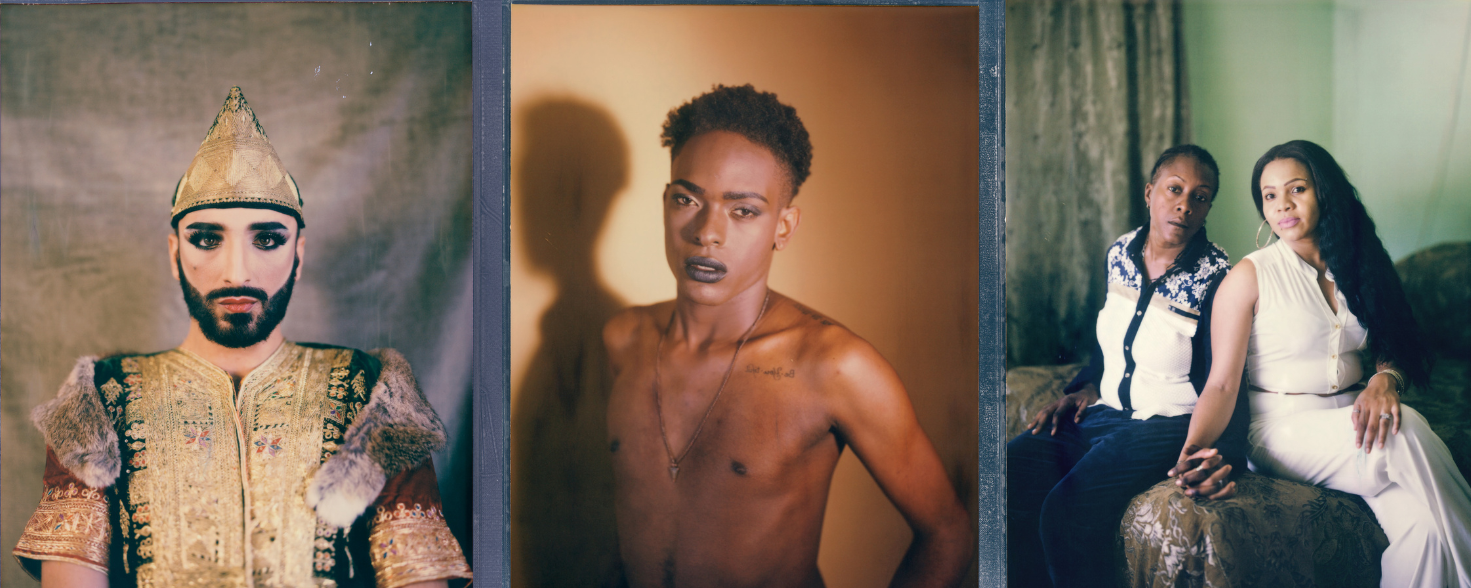
Photo: Kasha is an LGBTQI+ activist from Uganda. Read more about Kasha's story here.

Systematic Review of the Literature
Literature Review on Health Disparities for LGBTQIA+ People: An Emerging Neglected Global Health Crisis (updated 2025)
LGBTQIA+ individuals represent a growing part of the population, with current estimates between 8-13% in overall population and higher numbers (>17%) in the youngest generations, encounter numerous health risks that are often not well understood, recognized and treated by medical professionals, including a lack of inclusive healthcare protocols and policies.
In August 2022, this project presented its first literature review of the challenges accessing healthcare and health disparities faced by LGBTQI+ population. Since that time the body of knowledge has expanded as well as the scope of this review. Recognizing a gap in accessible, inclusive healthcare for LGBTQIA+ individuals in crisis environments, this updated literature review seeks to provide an evidence-based overview of health risks, barriers to care, and effective intervention strategies. It aims to inform healthcare professionals and humanitarian actors about practical approaches to reduce disparities and promote inclusive care for LGBTQIA+ communities.
In humanitarian context, additional barriers to care come into play, caused by infrastructure problems, programming challenges, impaired healthcare systems, access negotiations, insecurity in war and conflict context, natural disasters etc. In such context the marginalization and health risks for LGBTQIA+ people tend to increase, while their access to care decreases, even more so when looking at populations facing forced displacement. Humanitarian actors focus on the most vulnerable and marginalized populations; yet steps to include LGBTQIA+ individuals in their (medical) activities are largely dismissed, thus, stigmatization and denial of services is continued within humanitarian projects.
Altogether this is leading to an overlooked and undocumented international public health crisis.
LGBTQI+ TIC Publications
Click on a link below to download our flagship publications, including the Best Practices and Inclusive Language Poster, the Do's and Don'ts of Working with LGBTQI+ Patients guideline, and our debut report Introduction to LGBTQI+ Inclusive Care based on interviews with 15 local LGBTQI+ NGOs operating in MSF project areas.
These resources are available for download for field use and are currently being implemented in our training programs.
Photo: Jessie is a transgender woman from Lebanon. Read more about Jessie's story here.

Best Practices and Inclusive Language Posters
These posters are an informative and colorful addition to your office or clinical space.
Best Practices:
This resource delves into the most useful tips for making LGBTQI+ patients feel respected and cared for, with plenty of examples to demonstrate.
Inclusive Language:
The words we choose to address LGBTQI+ patients can play a major role in their experience. This poster notes certain outdated or disrespectful terms and what to say or do instead.
Do's and Don'ts When Working With LGBTQI+ Patients
In this guideline, specific clinical scenarios between staff and LGBTQI+ patients are explored. If you are wondering how to use gender-neutral language, what types of questions are OK to ask, or what words to use when speaking about an LGBTQI+ patient, this resource is for you.
Introduction to LGBTQI+ Inclusive Care
This report is a compilation of key findings and recommendations based on conversations with local LGBTQI+ NGOs (non-governmental organizations). The organizations contacted have local operations in Mauritius, Zimbabwe, Rwanda, Cameroon, Kenya, The Democratic Republic of the Congo, Egypt, Syria, Australia, The Philippines, Bangladesh, Mexico, Ukraine, and Greece. Each provides a unique perspective on inclusive care, adapted to their region.
Articles for further study
Whether you have 5 minutes, 10 minutes, 25 minutes, or longer, you can find a resource on this list that will help you understand the basics of sexual orientation and gender identity and why it matters for dignified health care.
Learn the basics: Sexual Orientation, Gender Identity, and Gender Expression
Wondering what the difference is between gender identity and gender expression? Do you know what all the letters in the "LGBTQI+" acronym mean? How about what it means to be intersex, pansexual, or queer? This video will guide you through the most important terminology to know when it comes to the LGBTQI+ community.
Find the video in Spanish, French, and Portuguese.
Human Rights Watch: Facing the Myths
LGBTQI+ VOICES FROM MIDDLE EAST AND NORTH AFRICA
A joint project by Human Rights Watch and the Arab Foundation for Freedoms and Equality, this video documents LGBTQI+ people from the MENA region as they react to common myths and stereotypes associated with the community.
Read the full article here.
LGBTQI+ News
LGBTQI+ Inclusion
Ugandan man charged with ‘aggravated homosexuality’ under new law
The Guardian .
19 Sep 2023
LGBTQI+ Inclusion
Lebanon LGBTQ+ activists say attacks are distraction from country’s problems
The Guardian .
19 Sep 2023