Discover all our latest news, stories and publications. Use the filter to get to the content you're looking for.
Treating malnourished children in Beni Shiekh
MSF condemns airstrikes on a wedding party in Hajjah
Malaria in pregnancy: a call for a safe, efficient, and patient-centred approach to first-trimester treatment
Syrians’ access to medical care at risk
فرق أطباء بلا حدود في غزة تعاين إصابات خطيرة وبالغة غير معتادة بسبب الأعيرة الناريّة
MSF teams in Gaza observe unusually severe and devastating gunshot injuries
مشاكل الصحة النفسية مستمرة في موقع حماية المدنيين في ملكال
The mounting mental health toll in Upper Nile State
أطباء بلا حدود تفتح مستشفىً في قلب أحد المخيمات الكبيرة التي تؤوي اللاجئين الروهينغا
The hospital on the hill providing care to Rohingya refugees
"النُقطة صفر" النازحون من الغوطة الشرقية بحاجة ماسة إلى الرعاية الطبيّة
Zero point – displaced from East Ghouta and in need of treatment
Enduring Bentiu
Who we are
An international, independent medical humanitarian organisation
Médecins Sans Frontières (MSF) translates to ‘doctors without borders’. We provide medical assistance to people affected by conflict, epidemics, disasters, or exclusion from healthcare. Our teams are made up of tens of thousands of professionals working in health and medical care, logistics, administration, communications, skilled trades – all bound together by our charter and serving people in need. Our actions are guided by medical ethics and the principles of impartiality, independence, and neutrality. We are a non-profit, self-governed, member-based organisation.
MSF was founded in 1971 in Paris by a group of journalists and doctors. Today, we are a worldwide movement of over 67,000 people.
Aisha B., a health promoter, accompanies 80-year-old Aisha G. to the MSF clinic in Adré transit camp, eastern Chad, July 2024.
The MSF Charter
All of its members agree to honour the following principles:
Médecins Sans Frontières provides assistance to populations in distress, to victims of natural or man-made disasters and to victims of armed conflict. They do so irrespective of race, religion, creed or political convictions.
Médecins Sans Frontières observes neutrality and impartiality in the name of universal medical ethics and the right to humanitarian assistance and claims full and unhindered freedom in the exercise of its functions.
Members undertake to respect their professional code of ethics and maintain complete independence from all political, economic or religious powers.
As volunteers, members understand the risks and dangers of the missions they carry out and make no claim for themselves or their assigns for any form of compensation other than that which the association might be able to afford them.
Complementary to the Charter, two core documents define our ways of working and guiding principles by exploring the concepts of proximity to patients, quality medical care, and témoignage - or bearing witness.
Our actions are guided by medical ethics
MSF’s actions are first and foremost medical. Our guiding aim is to provide the best quality of care possible – wherever we work – and to act always in the best interest of people and patients: to respect their confidentiality, their right to make their own decisions, and above all, to do them no harm. When medical assistance alone is not enough, we may provide shelter, water and sanitation, food, or other services.
Working principles
We aid people based on need. It doesn’t matter where they are from, what they believe in, or what their political affiliations are. We give priority to those in serious and immediate danger.
Our decision to offer assistance is based on our evaluation of medical needs, independent of political, economic, or religious interests. Our independence is rooted in our funding; 98 per cent comes from private donors giving small amounts. We strive to freely evaluate needs, access communities without restriction, and to directly deliver the aid we provide.
We do not take sides in armed conflicts, nor support the agendas of warring parties. Sometimes we are not present on all sides to a conflict; this may be because access is denied to us, or due to insecurity, or because the main needs of a group of people are already covered.
“We are not sure that words can always save lives, but we know that silence can certainly kill.” In his Nobel Peace Prize acceptance speech, former MSF President Dr James Orbinski outlined our principle of speaking out publicly when we want to bring a ‘forgotten’ crisis into view, or where we see things taking place which harm those that we seek to assist. This may mean criticising governments, corporations or other organisations who are perpetuating abuses or implementing harmful policies.
Read our latest communications
We strive to be as open and transparent as possible when it comes to the work we do and the money we spend. We continually reflect on both our successes and failures to ensure that the efficacy, quality, and efficiency of the care we provide is always improving. We hold ourselves publicly accountable for our work and our shortcomings, and to be clear about the challenges we face.
MSF transparency and accountabilityWe are a global movement, with staff from over 160 countries
Our strength lies in our teams, from health staff, to logisticians and administrative staff. In 2024, we employed 60,000 staff locally in our projects and offices, and thousands more left on assignments abroad.
We don’t believe that resource-limited countries should have sub-standard medical services. We strive to provide high-quality care to patients, and we advocate for affordable, high-quality medicines.
We count on the generous support of more than 7.1 million individual donors worldwide. Ninety-eight per cent of our funds comes from private donations, allowing us to act fast to save lives.
Committed to greater diversity, equity, inclusion
With over 67,000 staff members of 163 nationalities working in more than 70 countries around the world, we recognise that diversity, equity, and inclusion are inextricably linked to the success of our medical humanitarian mission. We are making changes across MSF to better reflect this incredible diversity and build one global workforce, by challenging operational structures, creating more opportunities for locally hired staff, re-evaluating compensation and benefits policies, and more.
Learn more
Our history
The MSF movement
Why we started
From a group of doctors to an international movement: how has the MSF movement developed over more than 50 years? Learn about the creation of MSF and the major chapters of our history through the animated film, 'Once Upon a Time the MSF Movement'.
Médecins Sans Frontières (MSF) was founded in December 1971 in France by a group of doctors and journalists in the wake of war and famine in Biafra, Nigeria. Their aim was to establish an independent organisation that focuses on delivering emergency medicine aid quickly, effectively and impartially.
Three hundred volunteers made up the organisation when it was founded: doctors, nurses and other staff, including the 13 founding doctors and journalists.
MSF was created in the belief that all people should have access to healthcare regardless of gender, race, religion, creed or political affiliation, and that people’s medical needs outweigh respect for national boundaries. MSF’s principles of action are described in our charter, which established a framework for our activities.
- Dr Jacques Beres
- Philippe Bernier
- Raymond Borel
- Dr Jean Cabrol
- Dr Marcel Delcourt
- Dr Xavier Emmanuelli
- Dr Pascal Greletty-Bosviel
- Gérard Illiouz
- Dr Bernard Kouchner
- Dr Gérard Pigeon
- Vladan Radoman
- Dr Max Recamier
- Dr Jean-Michel Wild
MSF, Evolution of an International Movement
MSF Associative History 1971-2011
This e-book series takes you on a journey of MSF's international associative history, from its inception in Paris in the early 70's, to becoming an international medical humanitarian movement.
Learn more about those 4 decades of MSF History.
This e-book is available for free for a non-commercial use. Download it as a PDF (7 Mo), epub (for tablets and smartphones, 1Mo) or on Google play.
Additional materials
Charter, principles and governance
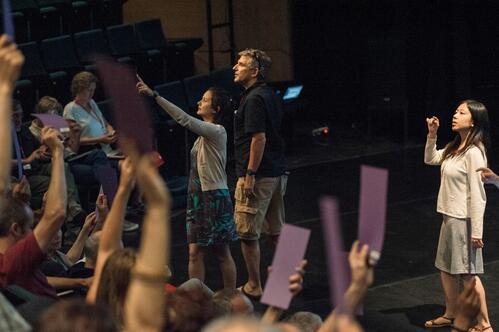
Associative engagement and participation among MSF staff and members.
What are MSF associations?
Our actions are guided by medical ethics
Through MSF associations, members voice their opinions and contribute to the definition and implementation of MSF’s social mission. The associations safeguard the identity of MSF, ensuring that activities and operations stay true to MSF’s Charter, principles and social mission.
Find out more about how MSF is runWrite to the team
This eBook was written at the request of the MSF International Board.
أربع معلومات يجب أن تعرفها عن النزاع الدائر في جمهورية أفريقيا الوسطى
Four things to know about the conflict in the Central African Republic
Uncertain life situation leads to mental health distress among asylum seekers
Vaccinating 10,000 children over 60,000km of desert roads
Pharmacokinetics of efavirenz in patients on antituberculosis treatment in high HIV and tuberculosis burden countries: a systematic review
Lives split over the Congolese border
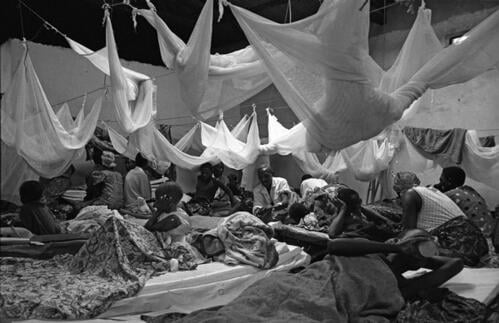
Remembering the genocide more than 20 years on
MSF increases medical efforts for wounded in Gaza strip
How we deliver medical humanitarian assistance
Everywhere we work, the circumstances are unique. Nonetheless, our programmes generally follow a common set of practices designed to make sure our resources and expertise are used to maximum effect.