


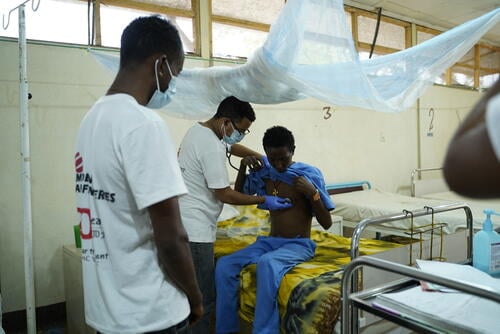
Kala azar, or visceral leishmaniasis, is the second deadliest parasitic disease in the world – only malaria kills more people.
A neglected tropical disease, kala azar is caused by a parasite, spread to humans through the bite of infected female sand flies. It attacks the immune system and is almost always fatal if not treated.
Also known as visceral leishmaniasis, kala azar is the most serious form of leishmaniasis and is endemic in 76 countries, with hundreds of millions at risk of infection. There are between 50,000 and 90,000 new cases a year, about 90 per cent of which occur in Brazil, Ethiopia, India, Kenya, Somalia, South Sudan and Sudan. Between 1989 and 2020, MSF teams treated nearly 150,000 people for kala azar; over a third in South Sudan.
Diagnosis and treatment of the disease, especially of the variety found in eastern Africa, can be complex and painful.
Featured
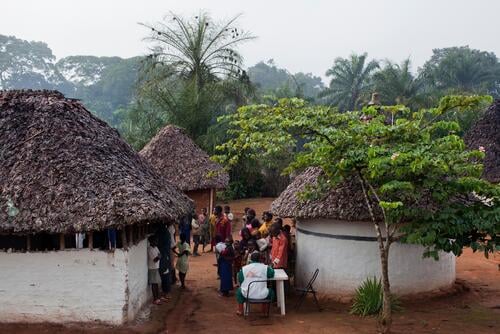
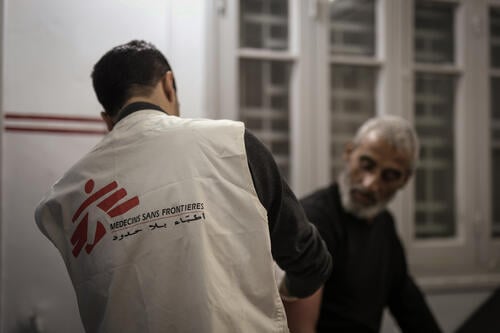
Gaza-Israel war
Huge influx of aid urgently needed amid catastrophic conditions in Gaza
Press Release
27 Feb 2026
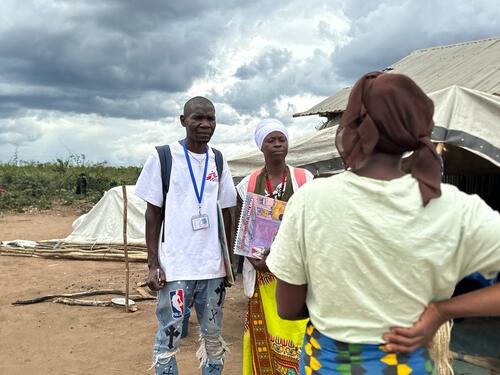
Mozambique
MSF winds down operations in Mueda following transition to local health authorities
Project Update
26 Feb 2026
معلومات حول المنظمة
تعيين لورا لايزر أمينةً عامة للمكتب الدولي لأطباء بلا حدود
بيان صحفي
25 Feb 2026
النزاع في السودان
السودان: أطباء بلا حدود تعالج نحو 170 شخصًا في أسبوعين إثر غارات بمسيرات استهدفت مناطق مدنية
بيان صحفي
20 Feb 2026
Conflict in Sudan
Sudan: MSF treats around 170 people for drone injuries in two weeks after strikes hit civilian areas
Press Release
19 Feb 2026
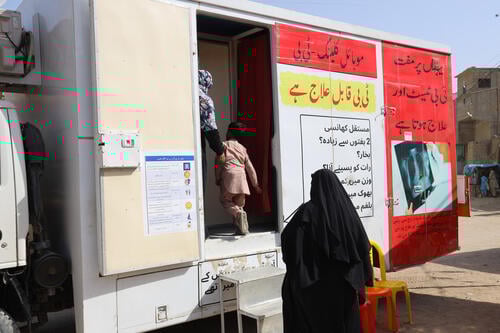
TACTiC – Test, Avoid, Cure Tuberculosis in Children
Tests de dépistage de la tuberculose au point de service
Report
19 Feb 2026
TACTiC – Test, Avoid, Cure Tuberculosis in Children
Near point-of-care tests for tuberculosis
Report
19 Feb 2026
Ukraine
What four years of full-scale war has taken from people in Ukraine
Project Update
19 Feb 2026

Medical Resource
MSF Field Research
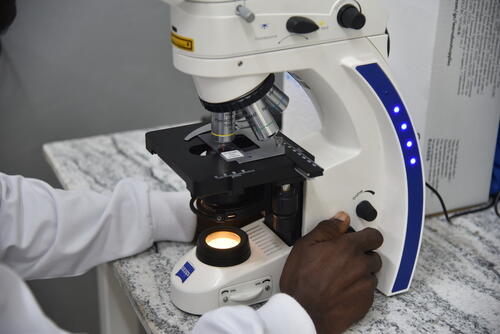
We produce important research based on our field experience. So far, we have published articles in over 100 peer-reviewed journals. These articles have often changed clinical practice and have been used for humanitarian advocacy. All of these articles can be found on our dedicated Field Research website.
Visit site