




131,300
131,3
15,900
15,9
4,330
4,33
890
89
810
81
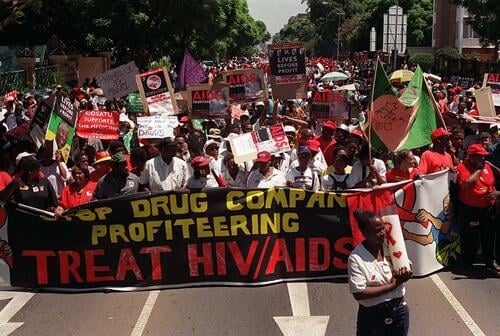
In addition to supporting the emergency response to these natural disasters, Médecins Sans Frontières (MSF) continued to run regular projects providing care for HIV and tuberculosis (TB), a dual epidemic affecting a large proportion of the population: an estimated 2.2 million Mozambicans are living with HIV, and 34,000 of them are co-infected with tuberculosis (TB).
Responding to natural disasters
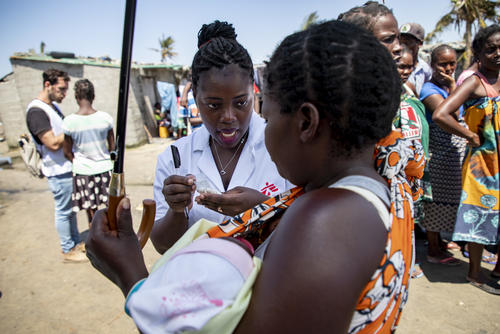
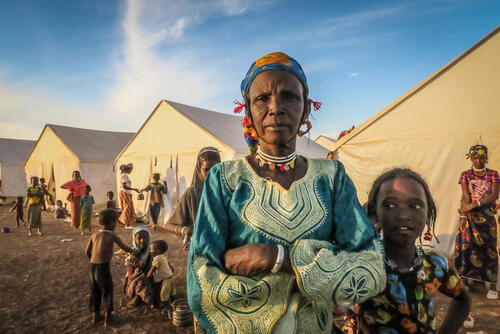
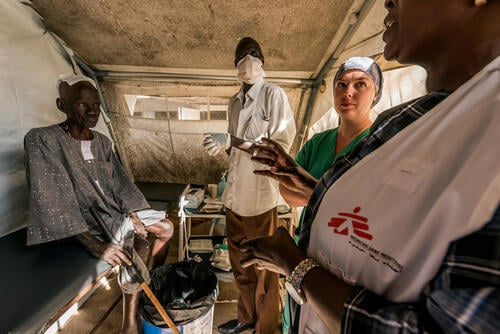
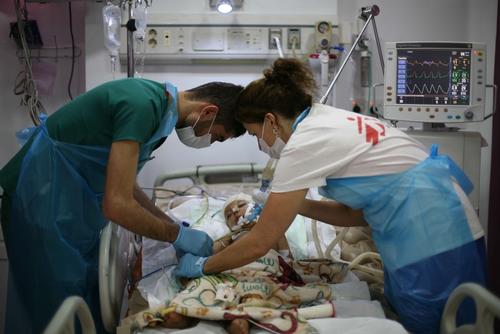
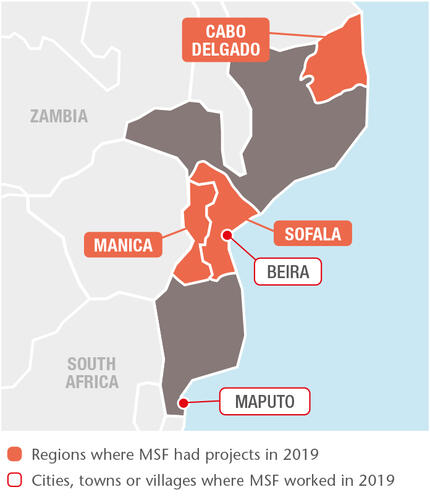
On 15 March, Cyclone Idai hit Beira in Sofala province, affecting some 1.85 million people. Homes, health facilities and other infrastructure were destroyed by the cyclone and subsequent flooding and more than 400,000 people were displaced. We deployed emergency teams to support the response and, 10 days later, a cholera outbreak was declared. As well as managing 57 per cent of cholera patientsMSF emergency response to Cyclone Idai, Report from Stockholm Evaluation Unit., we supported the Ministry of Health to vaccinate 900,000 people against the disease, set up two water treatment plants, rehabilitated 18 health centres and distributed relief items, such as soap, mosquito nets, cooking utensils, blankets, mats and buckets. In total, we conducted nearly 11,900 outpatient consultations, primarily for malnutrition and malaria, in 25 locations.
Six weeks later, when Cyclone Kenneth made landfall in Cabo Delgado province, we built cholera treatment centres in Pemba, Mecufi and Metuge, carried out water and sanitation activities and conducted general health consultations. The catastrophic impact of two cyclones in such a short space of time was compounded by months of drought later in the year. Together they exacerbated the already serious food insecurity and malnutrition situation in the country.
Fighting the dual HIV/TB epidemic
In the capital, Maputo, we are implementing specialised care and support packages for patients with advanced HIV who are facing the challenge of staying on lifelong treatment or have developed drug resistance. This includes improving the detection and rapid treatment of opportunistic infections.
In Mafalala slum, we work with a local organisation to run a drop-in centre for people who use drugs, where testing and treatment for HIV, TB and hepatitis C are available. It is the only programme in Mozambique offering comprehensive harm reduction services, including needle and syringe distribution.
In Beira, MSF runs mobile clinics providing sexual and reproductive healthcare, including HIV testing, counselling and family planning to vulnerable groups such as sex workers, who are at high risk of HIV infection. In 2019, we started offering advanced HIV care at Beira central hospital.
Delivering healthcare in conflict areas
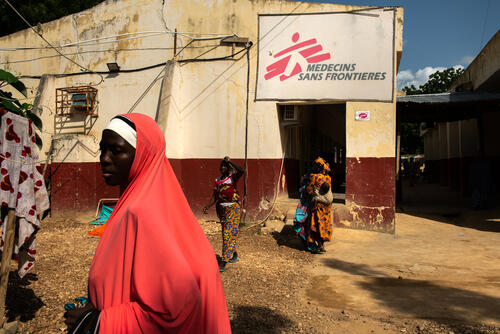
In Cabo Delgado, access to healthcare is extremely limited due to violence and insecurity. In 2019, we started supporting a health centre in Macomia, with treatment for malaria, malnutrition and respiratory diseases. We also rehabilitated the centre, which was severely damaged by Cyclone Kenneth, ran training on maternal health, paediatrics and sexual and reproductive healthcare for Ministry of Health staff and upgraded the water supply system.
Patient story
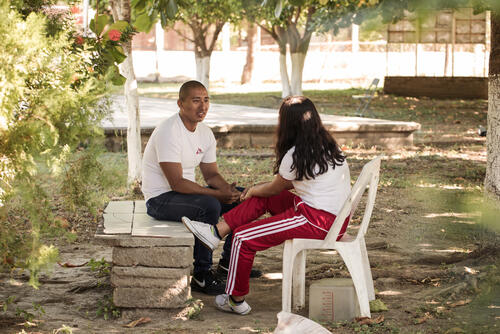
After Cyclone Idai struck Beira, Leila (pseudonym), saw her life fall apart. She lost her home and had no means of income. In desperation, she resorted to sex work, something she’d never done before. She is now visiting MSF mobile clinics to have regular HIV testing and advice on contraception. Leila’s experience is not an isolated case and shows that HIV care is an urgent priority in the post-disaster response.