


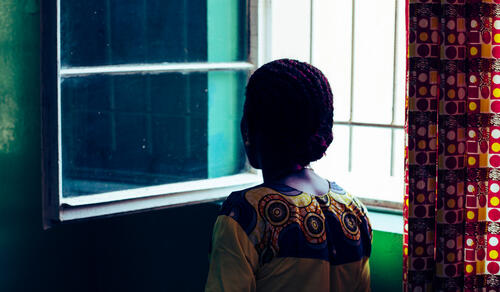
- Between May 2017 and September 2018, MSF treated 2,600 victims of sexual violence in the town of Kananga in Kasai Central province, Democratic Republic of Congo (DRC).
- Eighty per cent reported having been raped by armed men; 162 were children under the age of 15, including 22 under the age of five.
- These figures most likely reveal just part of the problem: MSF teams began providing care to victims of sexual violence in May 2017, more than one year after the beginning of the crisis in Kasai.
Kinshasa – Between May 2017 and September 2018, Médecins Sans Frontières (MSF) treated 2,600 victims of sexual violence in the town of Kananga in Kasai Central province, Democratic Republic of Congo (DRC). Eighty per cent reported having been raped by armed men.
“These figures are an indication of the high level of violence that has persisted throughout the past year,” said Karel Janssens, MSF head of mission in DRC. “The shocking testimonies from survivors that we have heard on a daily basis describe how people’s lives and communities have been torn apart, making it very difficult for them to rebuild and move forward.”
MSF teams provide psychological care in group sessions, and one-on-one for the most traumatised patients. Between March and September this year, 835 people benefited from individual consultations. Half of them reported that at least one member of their family had been killed and/or that their homes and belongings had been pillaged or destroyed. One in ten spoke of having directly witnessed a murder or other act of violence.
Of the 2,600 people treated by MSF since May 2017, 32 were men, some of whom reported having been forced under armed threat to rape members of their own community. Another 162 were children under the age of 15, including 22 under the age of five.
“Protection for victims, whether children or adults, and socio-economic assistance remain key challenges, given the limited availability of appropriate services,” said Fransisca Baptista de Silva, MSF project coordinator in Kananga.
The shocking testimonies from survivors that we have heard on a daily basis describe how people’s lives and communities have been torn apartKarel Janssens, MSF head of mission in Democratic Republic of Congo
The above figures most likely reveal just part of the problem. MSF teams began providing care to victims of violence in May 2017, more than one year after the beginning of the crisis in Kasai, focusing on surgical activities for trauma patients. In September 2017, in response to the evident needs, MSF adapted its activities to focus more particularly on treating victims of sexual violence. Promotion at local level has seen patient numbers increase, and MSF now provides care to more than 200 patients each month on average.
Concerningly, however, three in four of the victims treated by MSF only present for care a month or more after their attack. Most explain that they were unaware of the availability of free care or lacked the means to travel to centres offering such services. Yet prompt care for victims of sexual violence—within 72 hours of rape—is a medical necessity, especially to ensure effective protection against sexually transmitted infections such as HIV.
MSF has been working in DRC since 1977 and is currently providing medical care to victims of conflict and violence, displaced people, and people affected by epidemics or pandemics such as cholera, measles and HIV/AIDS. For several decades, MSF has also been on the frontline of the response to Ebola outbreaks in DRC.
MSF has been working in the region of Grand Kasai (Kasai and Central Kasai provinces) since 2017, providing free, emergency care to victims of the ongoing violence. In 2017, MSF teams provided over 6,300 consultations to victims of sexual violence in 17 locations across the country.
Democratic Republic of Congo
"When I tell this story, I see a film playing before my eyes"
Voices from the Field
1 Nov 2018
Democratic Republic of Congo
MSF adapts to changing needs in Greater Kasai region
Project Update
9 Oct 2018
Democratic Republic of Congo
“Months later, they still can’t remove the bloodstains from the soil”
Voices from the Field
30 Oct 2017