We offer medical care, respond to infectious diseases, and provide water and sanitation services in Democratic Republic of Congo (DRC).
We run some of our largest programmes in DRC, where people have little access to healthcare, and disease outbreaks are frequent due to under-resourced and overwhelmed health facilities and surveillance systems. Decades of conflict, and resulting displacement, continue to place healthcare out of reach for affected communities, especially in the east of the country.
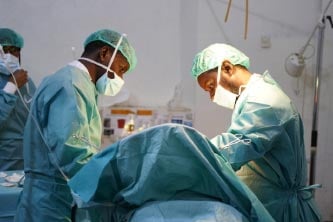
To respond to people’s immense needs, we provide general healthcare, surgery, paediatric and maternal care, and treatment for victims and survivors of sexual violence, among other services.
Three of our staff, abducted in North Kivu province in 2013, are still missing.
What we’re doing in DRC

01
Ebola disease
msf.org
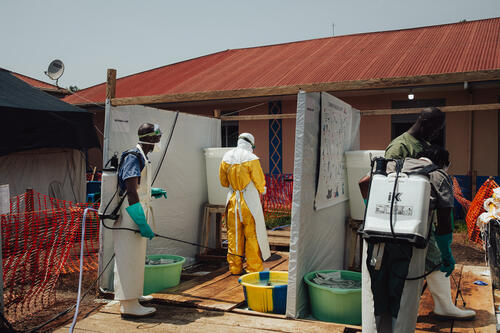
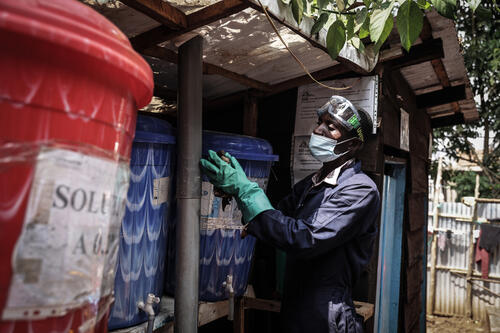
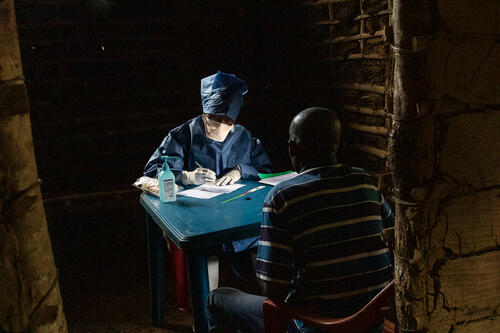
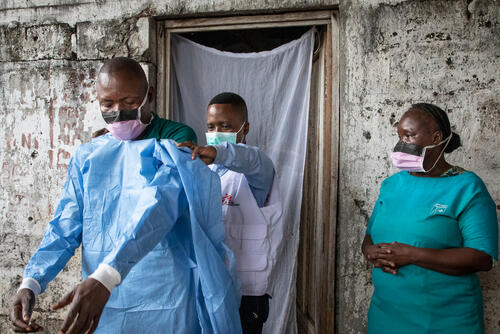
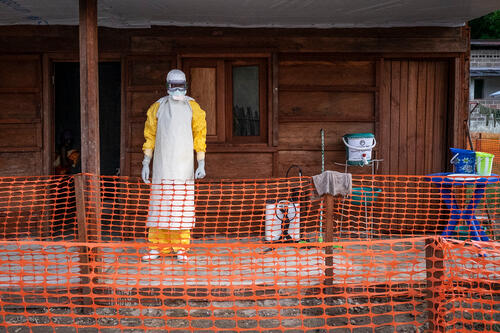
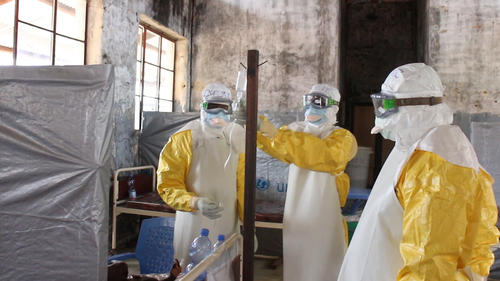
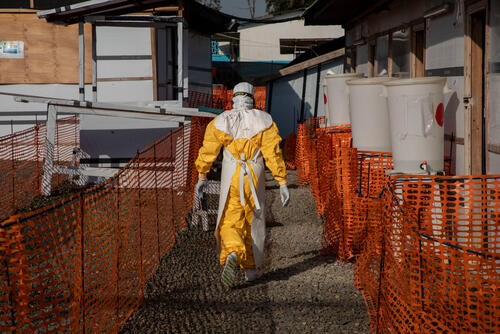
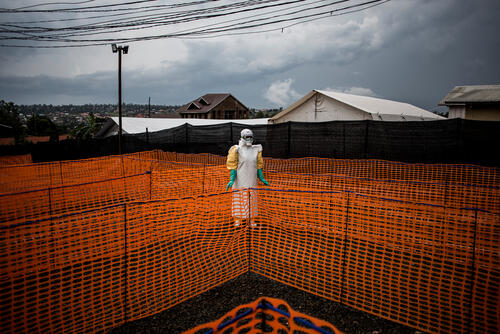
In May 2026, an Ebola disease outbreak was officially declared in DRC. The current outbreak is caused by the Bundibugyo virus, and it is spreading at an alarming rate. It is unfolding in provinces affected by decades of conflict and displacement. Our response to this outbreak includes a special focus on the surveillance of cases, safe patient isolation and flow, and the maintenance of other essential healthcare. We are running Ebola treatment centres in various affected areas in the country.
Read more on the recent Ebola outbreak in DRC
02
Conflict and displacement
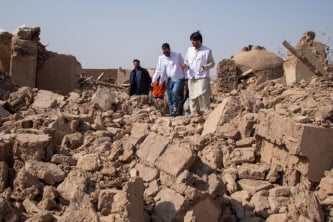
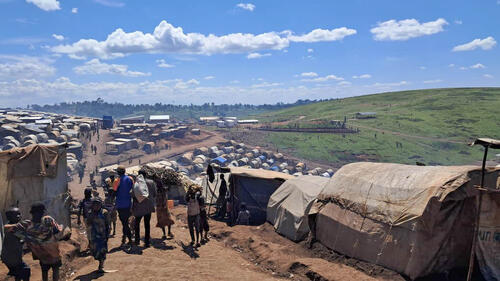
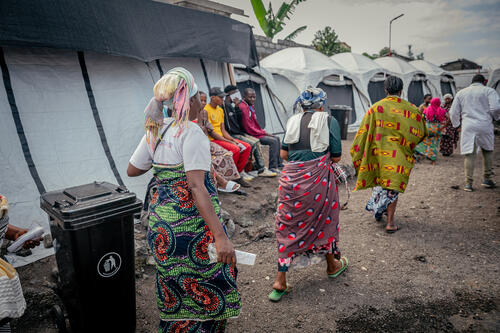
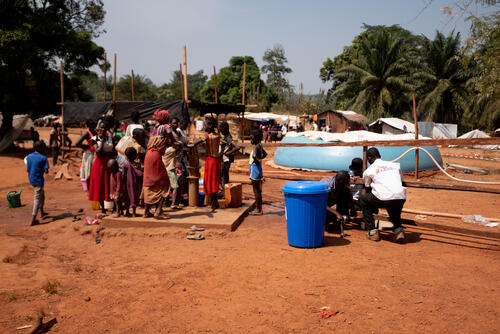
One of our key priorities is addressing the direct and indirect consequences of violence on civilians, particularly in eastern DRC, through medical care, water and sanitation services in displacement sites, and distributing essential relief items.
03
HIV/AIDS
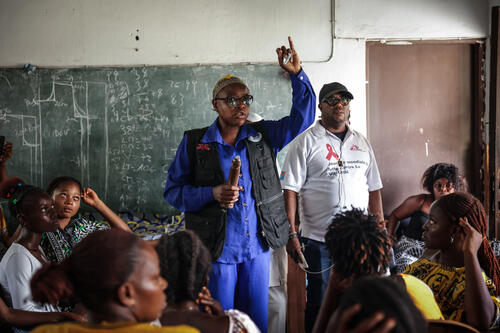
We provide HIV care in Kinshasa, and we support adherence to treatment through youth clubs. In 2025, the dismantling of USAID caused gaps in medication for HIV prevention, and we stepped in to purchase post-exposure prophylaxis for HIV.
04
Malaria
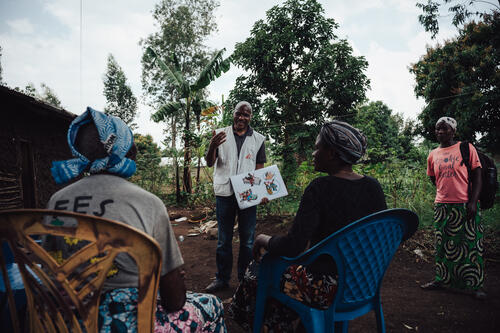
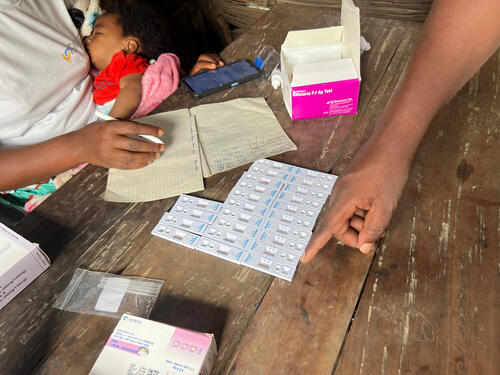
Malaria is a preventable and treatable disease, yet it is the leading cause of illness in DRC. Repeated displacement, food insecurity, and barriers to accessing care create conditions that increase both exposure to malaria and the risk of developing a severe form of the disease. We work with partners, including the Ministry of Health, to treat people with uncomplicated and complicated malaria. We also continue to train networks of community healthcare workers on a range of topics, including malaria control.
05
Outbreak response
DRC is prone to outbreaks of infectious diseases, such as measles, yellow fever and cholera. National health programmes to combat malaria, tuberculosis, low immunisation, and HIV no longer function effectively in many areas, due to insecurity, logistical constraints, and funding withdrawals. During disease outbreaks, we are able to respond quickly by using mobile teams. Among our responses to outbreaks of communicable diseases are vaccination campaigns, case management (including surgeries), health promotion, and water and sanitation activities.
06
Women's health
Many of our projects have an important component of women's health. We provide medical and psychological support; organise family planning activities, antenatal and postnatal consultations; and treat patients for sexually transmitted infections. Sexual violence has been a long-standing emergency in DRC, affecting men and boys as well as women and girls. Our teams continue to provide care to an increasing number of victims and survivors.
07
Malnutrition
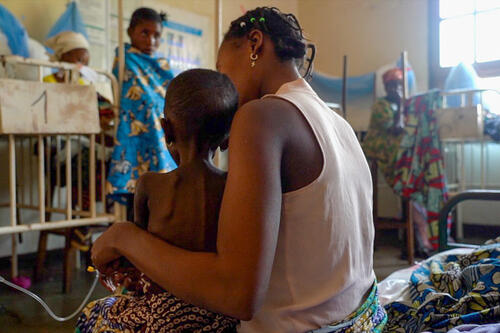
Malnutrition represents a major public health problem near the border with South Sudan. In Ituri, we provide consultations, screening, and treatment with therapeutic food. As part of our support to networks of community health workers, we provide training on treatment for malnutrition.
Our activities in 2025 in DRC
Data and information from the International Activity Report 2025.
2,884
2,884
€141.1 M
141.1M
1977
1977
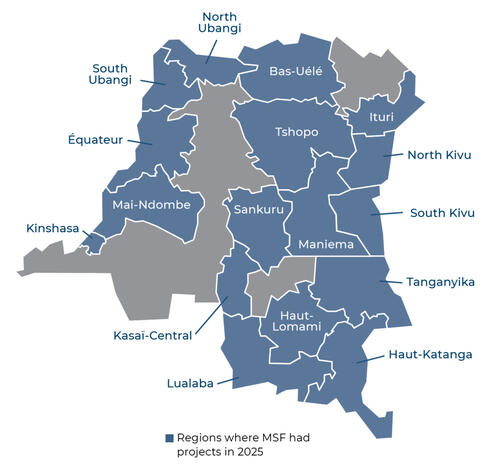
MSF in Democratic Republic of Congo in 2025
As violence escalated in eastern Democratic Republic of Congo (DRC) in 2025, Médecins Sans Frontières (MSF) increased activities to respond to people’s growing medical and humanitarian needs.
2,281,100
2,281,1
183,100
183,1
54,600
54,6
25,200
25,2
20,200
20,2
Democratic Republic of Congo
DRC: Violent attacks against staff force MSF to end projects in Fizi territory, South Kivu
Press Release
1 Dec 2020
DRC Ebola outbreaks
Improved medical response sees the end of DRC’s eleventh Ebola outbreak
Project Update
19 Nov 2020
DRC Ebola outbreaks
Six lessons learned as Ebola outbreak in northeastern DRC ends
Project Update
26 Jun 2020
MSF job opportunities in the Democratic Republic of Congo
Find us online