


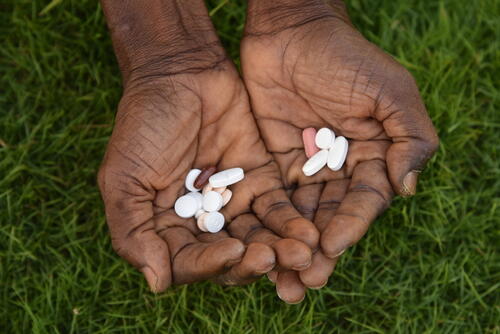
What happens when drugs stop working?
A true global health emergency, antibiotic resistance threatens to make simple cuts and diseases that are easy to treat deadly once again.
Bacteria, viruses, parasites and other microbes are always changing to ensure their survival. Some have adapted so well to medical treatment that drugs commonly used to prevent or kill them are no longer effective. These microbes cause drug-resistant infections. Their ability to survive medicines used against them is called antimicrobial resistance (AMR). In the case of bacterial pathogens, for which antibiotics are the most common and important drugs available for treatment, we speak of antibiotic resistance (ABR).
Quick facts

01
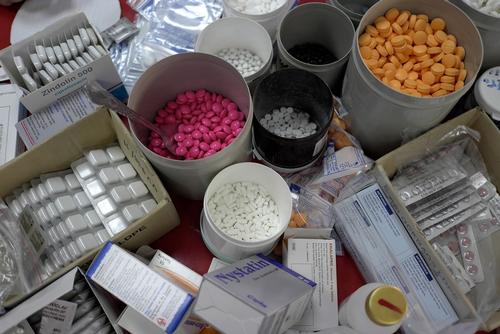
Misuse spreads resistance
Patients buying antibiotics over the counter without a prescription at a pharmacy; doctors prescribing antibiotics when they’re not needed or using the wrong type of antibiotic when they are. The improper use of antibiotics increases antibiotic resistance in bacteria. Providing patients and people with information on when and how to use antibiotics is important in leading to behaviour that will reduce their misuse.
02
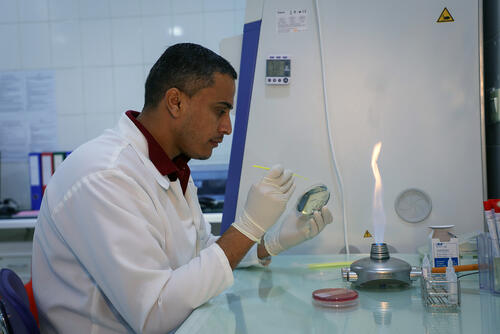
Labs are a key tool
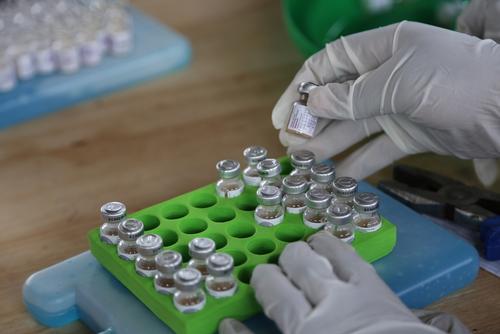
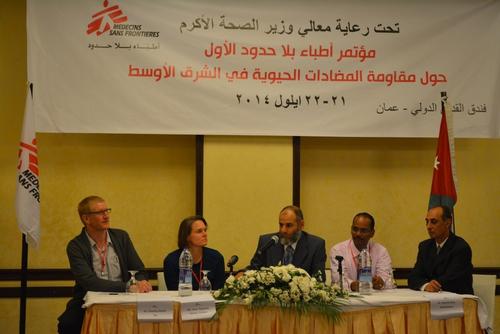
Laboratories are a key tool in fight against antibiotic resistance. A laboratory can determine the exact type of bacteria causing an infection, as well as which antibiotics it is resistant to. However, setting up a lab is not easy in many places, especially those affected by violence or are seriously under-resourced. Staff must be highly trained and follow rigorous protocols. MSF has laboratories with these capabilities in Jordan, Yemen, Mali, and Central African Republic.
03
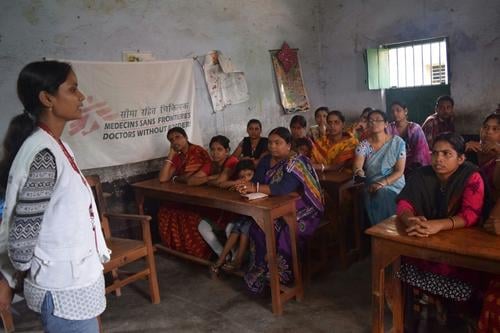
Better training for health staff
In some parts of the world, health staff – doctors, nurses, pharmacists – are part of the problem. Medical staff can provide people with the wrong type of antibiotic – which can be ineffective and lead to resistance developing – or providing antibiotics when they’re not needed at all. We have started to train our medical staff, including across the Middle East, in antibiotic stewardship – such as doctors knowing which drugs to prescribe and when. Staff also need to resist pressure from patients into being given or prescribed antibiotics when they’re not needed.
04
Preventing infections
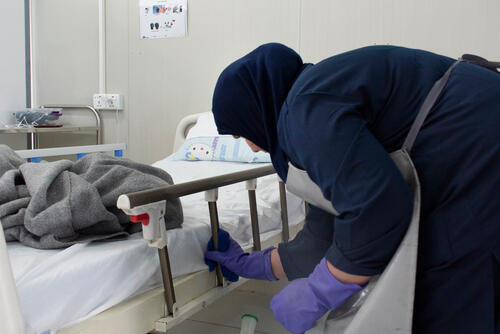
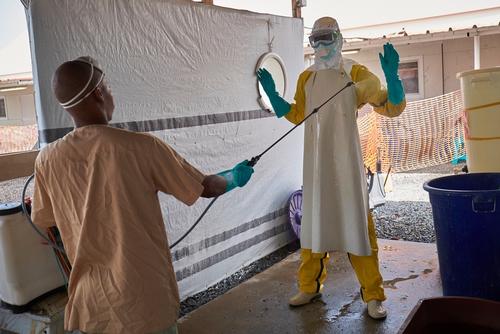
Even if rigorous rules on the use of antibiotics can help prevent bacteria from becoming resistant in the hospital itself, some patients will already be infected with resistant bacteria when they are admitted to hospital. And it is crucial that these resistant bacteria do not infect anybody else. Infection prevention and control (IPC) measures are vital in hospitals to prevent their spread. Pillars of IPC centre around hygiene: hand hygiene (washing and sanitising hands); cleaning, sanitising, sterilising the environment and medical devices; and controlling channels through which infections are spread – such as placing patients in isolation.

video
5 minutes to explain... Antibiotic resistance. A global health priority
5 minutes to explain- antibiotic resistance
Antibiotic resistance is set to be one of this century’s major public health challenges. Few people are aware of this issue, which is also poorly documented. A report commissioned by the British government in 2016 estimated that as many as 10 million people could die from an antibiotic resistant infection by the year 2050. In this 5 minutes to explain video, we look at the issues surrounding antibiotic resistance on a global scale, but also for MSF, and how our teams are tackling this enormous challenge in the countries we work.
Access to medicines
MSF urges governments to set medical research policies that align with people’s health needs
Press Release
13 Sep 2016
India
MSF calls for affordable pneumonia vaccines ahead of Pfizer’s patent hearing in India
Press Release
28 Jul 2016
Journal article
MSF's study in Niger shows no significant benefit from routine use of antibiotics in malnourished children
4 Feb 2016
Journal article
Tuberculosis
Practices and policies dangerously out of step with TB crisis
Press Release
30 Oct 2014
Journal article
Highly Drug-Resistant Pathogens Implicated in Burn-Associated Bacteremia in an Iraqi Burn Care Unit
11 Aug 2014
Journal article
Research & Analysis

Medical Resource
MSF Field Research
We produce important research based on our field experience. So far, we have published articles in over 100 peer-reviewed journals. These articles have often changed clinical practice and have been used for humanitarian advocacy. All of these articles can be found on our dedicated Field Research website.
Visit site