



3451 Results
 
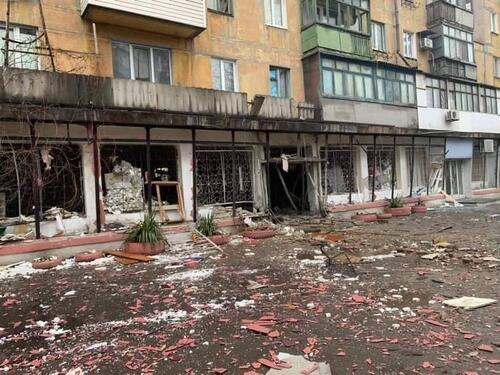
View of the city of Mariupol severely affected by the war.
War in Ukraine

Corridors are not enough for civilians and humanitarian aid in Ukraine

Following the ongoing reports about an agreement for safe passage of civilians in Ukraine, opportunities for civilians to escape from areas of violent warfare should not be one-off or time-limited. Project Update - 5 Mar 2022
 
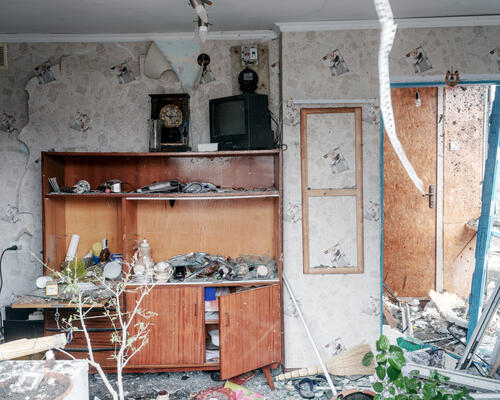
UKRAINE. Mariupol. 24 February 2022. A civilian house destroyed by a rocket.
MSF has been working in eastern Ukraine for the last eight years, trying to improve access to health care for remote, conflict-affected populations.
War in Ukraine

Civilians must be allowed safe passage out of dire conditions in Mariupol

Heavy shelling and a lack of water, electricity and heating has made living conditions in Mariupol, southern Ukraine, extremely difficult. MSF urges for safe passage for people out of the city fleeing the war. Project Update - 5 Mar 2022
 
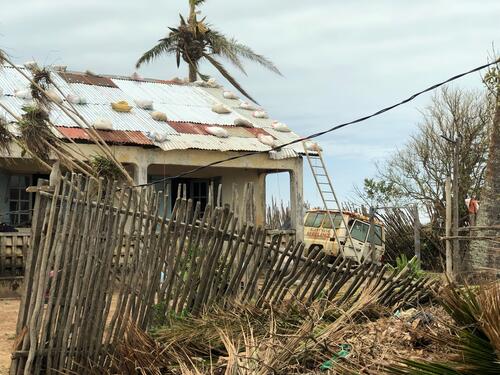
A second cyclone called Emnati hit the town of Mananjary on the eastern coasts of Madagascar on 22 February. MSF teams set up emergency tents near the main hospital, partially destroyed by the first cyclone, in order to start medical consultations as soon as they can.
Madagascar

Cyclones cut people off from healthcare in eastern Madagascar

Cyclones Batsirai and Emnati hit the east coast of Madagascar in quick succession in February, destroying numerous healthcare centres and leaving people without access to healthcare. Project Update - 2 Mar 2022
 
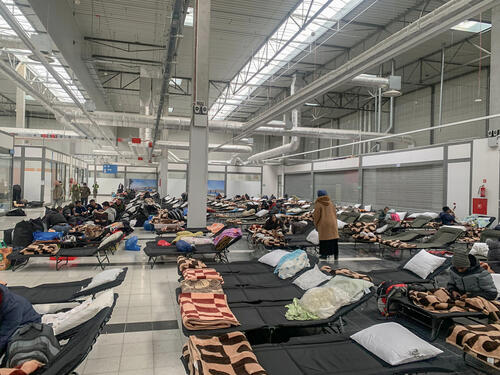
View of the temporary accommodation site  in Korczowa, southeastern Poland, for people who fled Ukraine because of the Russian invasion.
The head of the United Nations refugee agency says more than a half a million people had fled Ukraine since Russian invasion.
Ukraine

MSF mobilises response in Ukraine and nearby countries as conflict escalates

As conflict in Ukraine escalates and hundreds of thousands of people have fled their homes, MSF emergency teams are mobilising a response in Ukraine and neighbouring countries. Project Update - 1 Mar 2022
 
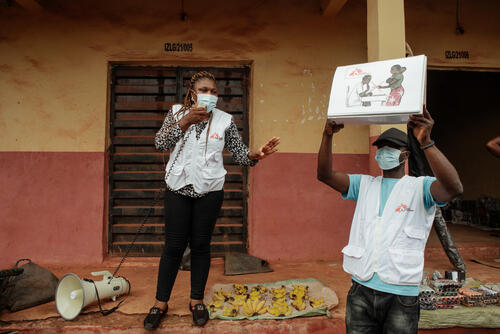
MSF health promoters, Joseph Ibeabuchi (male) and April Ozibo Chinezon (female) educating the public about lassa fever in Abakaliki, Ebonyi State, Nigeria. They are creating awareness about the disease to stop the spread and reduce the stigma towards patients of the disease.
Nigeria

Tackling deadly and difficult-to-diagnose Lassa fever

In Nigeria, Lassa fever is endemic. Since 2018, our teams have been working closely with the Ministry of Health to treat patients suffering from Lassa fever. Our health promotion teams are also educating people about the disease to prevent its spread and reduce stigma and misinformation. Project Update - 25 Feb 2022
 
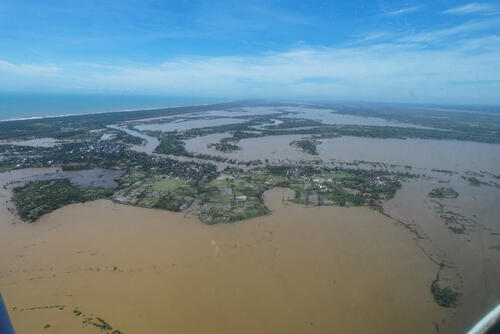
Aerial view of the north part of Nosy Varik
Madagascar

Cyclone Batsirai leaves people vulnerable to food shortages and malaria

After Cyclone Batsirai destroyed towns in Madagascar, people have been left without access to healthcare with possible food shortages. Project Update - 14 Feb 2022
 
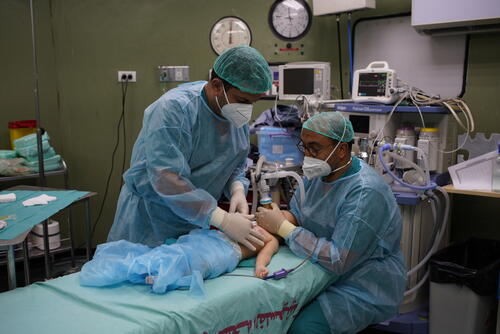
An MSF-supported surgical team at Al-Shifa’s burn unit, in Gaza city changes patient’s dressing under anesthesia. Al-Shifa’s burn unit is the main referral unit for all hospitals in Gaza where on average 270 patients are treated annually.
Palestine

Gaza: Burn injuries are a chronic health problem

Each year MSF clinics in Gaza treat 5,000 new burn victims, the vast majority of whom are children injured in domestic accidents, exacerbated by the blockade on the region. Project Update - 10 Feb 2022
 
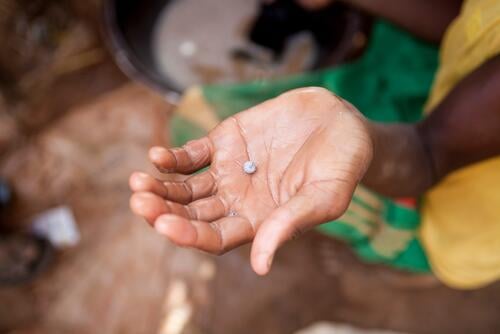
A worker shows the mercury-gold amalgam at the Bagega gold processing site. The sand containing the gold has been added to a bowl that also contains mercury. The mercury attracts the gold and both elements are combined, extracting the gold from the sand and stones and elements, like lead. This then goes into a small cloth, and any moisture in the mercury-gold combination gets squeezed out. Leaving a neat ball of mercury and gold. After this the mercury will be burned, and what is left is gold.
Nigeria

Prevention is key to stop children from dying of lead poisoning

Almost 12 years after our teams first started intervening in the area, MSF has handed over its lead poisoning project to state authorities as no more children are dying of lead poisoning in Zamfara. Project Update - 7 Feb 2022
 
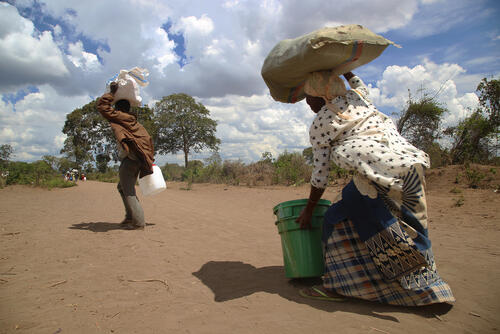
A man and woman carry a set of relief items distributed by an MSF team for newly arrived displaced people at the resettlement site of Eduardo Mondlane, in the town of Mueda, in the northern Mozambican province of Cabo Delgado.
Mozambique

Attacks and violence in Cabo Delgado displace thousands as cyclone season begins

As continued conflict forces thousands of people from their homes, cyclones and heavy rains further threaten an already extremely vulnerable people in Cabo Delgado, Mozambique. Project Update - 4 Feb 2022
 
In front of the health promoters' tent. Every Thursday, health promotion teams organise activities to help mothers and Children to cope with their situation. This Thursday, health promoters organised cooking workshop in order to create a collective moment preparing Moringa and Tourteau mind laugh and singing.
Niger

Working with the community to counter malaria and malnutrition

In 2018, 850 children were arriving at our paediatric ward in southern Niger every week, but with a new community-led approach to combat malaria and malnutrition, hospitalisations have dropped. Project Update - 3 Feb 2022
Four mothers posing in a corridor of the Hospital in Bili. All four of them are staying in the hospital with their child, that's suffering from a severe case of malaria. Since the beginning of the project in 2016, the pediatric ward already treated more than 4.000 cases of complicated/severe form of malaria.
Médecins Sans Frontières (MSF)

Independent medical humanitarian assistance

We provide medical assistance to people affected by conflict, epidemics, disasters, or exclusion from healthcare. Our teams are made up of tens of thousands of health professionals, logistic and administrative staff - most of them hired locally. Our actions are guided by medical ethics and the principles of independence and impartiality. We are a non-profit, self-governed, member-based organisation.

Learn more