


“I first came to Cox’s Bazar in June 2017, at a time when thousands of Rohingya were already in Bangladesh from previous waves of targeted violence.
Even then, the needs were massive. I returned as project coordinator that August, as hundreds of thousands more people arrived.
It was obvious the Rohingya were fleeing violence – in one two-week period between August and September 2017, we watched pillars of smoke, most likely from houses and villages being burned, at several points across the border.
At the border crossings, we saw Rohingya arriving with burns, gunshots, lacerations, and smoke asphyxiation. The trauma was visible on people’s faces and bodies.
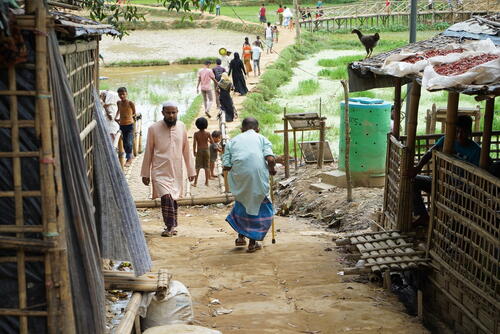
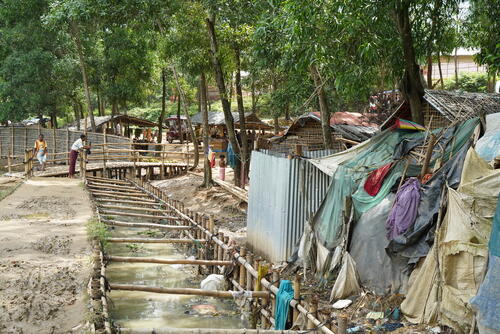
They settled in camps that were already well below basic living standards, and where there had been very few aid actors working previously.
One of the most striking things was the lack of dignity people had. Pregnant women and children were left virtually abandoned, people were defecating in the open, and they were ordered around by many different people and organisations. They did not seem to have much say in what happened to them.
Two years on, there are now better roads, more latrines and clean water points in and around the camps. There is more sense of order. But conditions in the camps remain precarious and big questions about people’s futures are still unanswered.
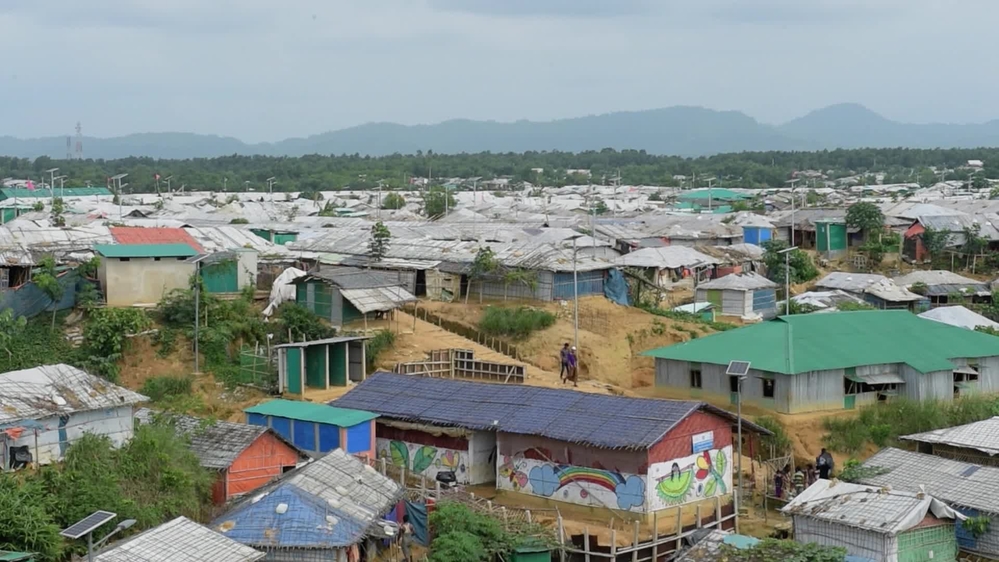
Video
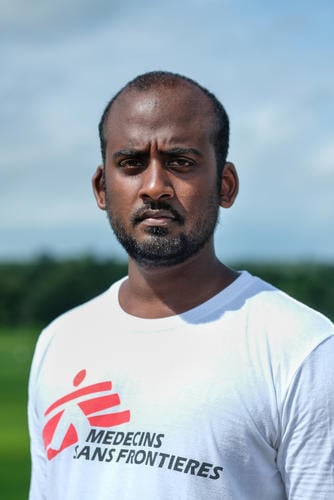
Interview with Arunn Jegan, emergency coordinator for MSF in Bangladesh
Conditions in the camps remain precarious and big questions about people’s futures are still unansweredArunn Jegan, emergency coordinator for MSF in Bangladesh
One of the most revealing conversations I’ve had was with a family I first met two years ago. The father recently told me: “Many NGOs are looking at this crisis from the perspective of the last two years, but I’m looking at it from the past 40 years – my whole life. I’m still trying to prove my identity as a human and that causes me immense pain and suffering.”
The population has been completely suspended in time. This status quo is not something we should accept.
There is no legal way for the Rohingya to work in Bangladesh, which contributes to massive social, economic and financial pressure.
Education provides a road map for any community to sustain and advance themselves, but Rohingya children aren’t allowed formal schooling.
Access to specialised care is another big issue – there are healthcare services available, but with limited freedom of movement, the level of care required is often out of reach. Mental health remains stigmatised within the Rohingya community, as in much of the world.
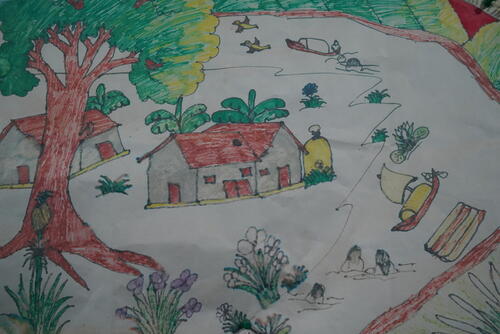
If we are looking for sustainable solutions, then the Rohingya need a roadmap for the future that includes access to things like jobs and educationArunn Jegan, emergency coordinator for MSF in Bangladesh
Amid all the uncertainty, one thing is clear. This is not the time for the humanitarian response to scale down.
Over 912,000 Rohingya are now in Bangladesh. We need to be talking about what we are doing for this population’s future, in Myanmar and countries hosting the Rohingya, like Bangladesh.
And yet short-term thinking continues for a long-term problem. The population is highly dependent on aid and we need to ask how long that can last.
If we are looking for sustainable solutions, then the Rohingya need a roadmap for the future that includes access to things like jobs and education.
When I think of the future for the Rohingya, my biggest hope is that they are able to return home safely.
Until then, I hope they are afforded greater self-sufficiency, education rights, as well as the legal recognition they deserve.
If these things don’t happen now, I fear the Rohingya will be in the same situation in another two years, only with even fewer services available to them. Any decrease in aid should only come in tandem with growing self-sufficiency.
History has repeated itself with the Rohingya and they remain forgotten. If this happened in Australia, where I’m from, the world would pay attention.
We have an opportunity to do better by them. The Government of Bangladesh has been accommodating but it’s not their burden to carry alone.
This is a regional issue affecting all of Myanmar’s neighbours, as well as an international one. We have to step up and ensure that they aren’t just getting food and water but a future too.”
History has repeated itself with the Rohingya and they remain forgotten. We have to step up and ensure that they aren’t just getting food and water but a future too.Arunn Jegan, emergency coordinator for MSF in Bangladesh
Rohingya refugee crisis
Two years on: No solutions in sight for the Rohingya
Project Update
20 Aug 2019
Rohingya refugee crisis
“The collective fate of the Rohingya is in our hands”
Voices from the Field
20 Aug 2019
Rohingya refugee crisis
Being Rohingya in Myanmar: “We hold our frustration inside because we cannot speak out”
Voices from the Field
20 Aug 2019