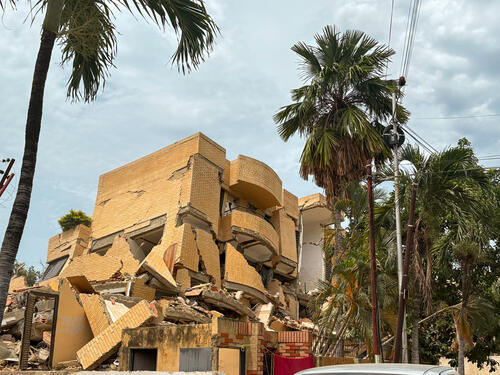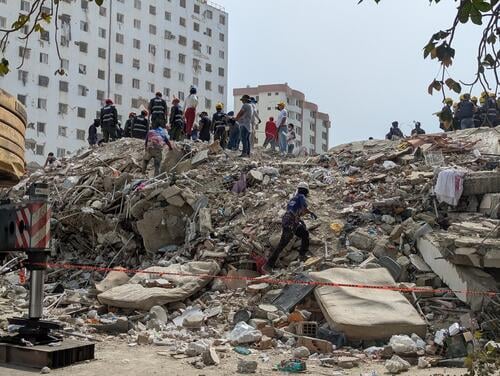
One month following the devastating earthquakes in Venezuela on 24 June, the country continues to grapple with the aftermath, with people facing profound grief as thousands mourn the loss of family, friends, and everything they owned.
This sudden disaster that has particularly affected the coastal state of La Guaira, near Caracas, has transitioned into a complex, protracted crisis, characterised by massive displacement, severe infrastructure damage, and deep psychological trauma. In La Guaira and Caracas, the urgent needs include access to clean water, adequate shelter, mental health care, and protection.
The official death toll has reached 5,398, with 16,740 people injured, 17,907 displaced, and 6,462 rescued from the rubble. The structural devastation is staggering; 190 buildings have officially collapsed, while over 895 structures, including schools, vital public infrastructure, and hospitals, have suffered severe damage and are at risk of collapse.
Thousands are currently residing in makeshift displacement sites or sleeping in tents adjacent to their damaged homes. In Maiquetía, La Guaira, approximately 3,000 people are camping on the pavement directly in front of 20 severely damaged and unstable buildings. Similarly, in Avenida Bolívar, Caracas, another 3,000 individuals are living on the streets, stripped of proper shelter and basic services.
Devastation following the 24 June earthquakes
5,398
5,398
16,740
16,74
17,907
17,907
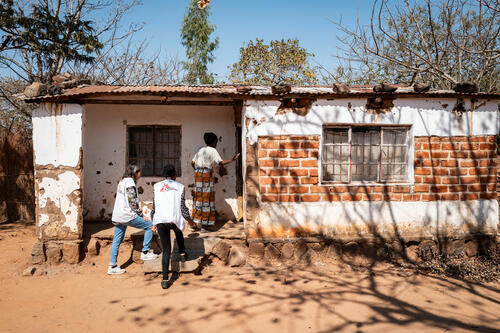
In response to the crisis, Médecins Sans Frontières (MSF) currently operates four mobile clinics providing basic healthcare, mental health support, health promotion, and water and sanitation activities across the most affected areas: three in La Guaira (Maiquetía, Catia La Mar, and Tamaguarena), and one in Caracas (Avenida Bolívar). In the past month, MSF medical teams have conducted 2,217 medical consultations.
The injuries sustained extend beyond the physical; families still searching for loved ones beneath the rubble, along with the shock of sudden homelessness and displacement, have given rise to a psychological crisis. To address these mental health challenges, our teams have integrated mental health support into our mobile response, and have so far provided 113 individual mental health sessions, 323 group therapy sessions, and 1,402 psycho-education sessions. With local infrastructure severely compromised, MSF teams are implementing water, sanitation, and hygiene activities including:
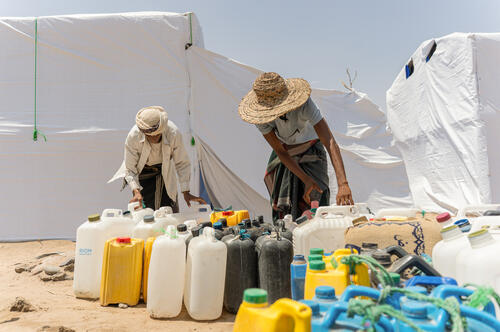
- Installed a 5,000-litre water bladder in Playa Verde to serve as a reliable clean water source.
- Initiated the ongoing chlorination of four primary water distribution sites alongside continuous water purification monitoring.
- Distributed 5,000 bottles of emergency drinking water to families living on the streets.
Over the past month, MSF has donated approximately 8.5 tonnes of emergency medical supplies. This extensive logistical effort has supported immediate, lifesaving operations and addressed the healthcare needs of an estimated 10,000 patients. MSF teams continue to provide disinfectants and infection prevention and control materials, not only to active hospitals but also to overwhelmed local morgues, ensuring safety, hygiene, and dignity amid unprecedented loss.