


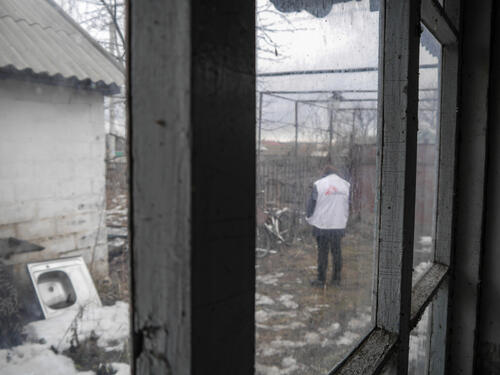
On 4 April, a four-person team from Médecins Sans Frontières (MSF) visited Mykolaiv, southeastern Ukraine, to meet with city and regional health authorities. At around 3.30 pm, as the MSF team entered the city’s oncology hospital, which has been treating wounded since the beginning of the Ukraine war, the area around the hospital came under fire.
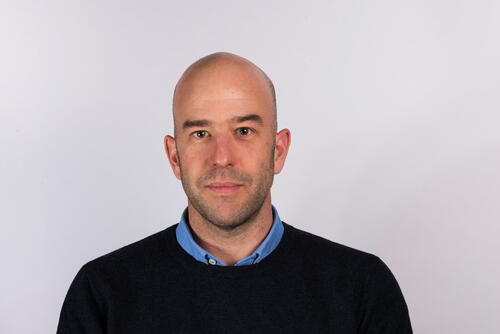
“Several explosions took place in close proximity to our staff over the course of about 10 minutes,” says Michel-Olivier Lacharité, MSF head of mission in Ukraine, currently based in Odesa. “As they were leaving the area, the MSF team saw injured people and at least one dead body. However, we are not in a position to give exact numbers of dead and injured.”
“Fortunately, our staff were able to take cover and were not hurt in the explosions,” says Lacharité. “Although the windows of their vehicle, parked outside the hospital entrance, were blown out by the blasts.”
Michel-Olivier Lacharité, MSF head of mission in Ukraine
“Bombing such a large area within a residential neighbourhood in the middle of the afternoon cannot but cause civilian casualties and hit public buildings. Hospitals, patients and medical staff must absolutely be spared from attack.”
The team reported that the regional paediatric hospital, about 300 metres away, was also hit. No large crater was visible. In the wake of the explosions, they saw numerous small holes in the ground, scattered over a large area. These elements could be consistent with the use of cluster bombs.
The neighbourhood where the oncology hospital is located is a residential area in the east of the port city, where many medical facilities are concentrated.
At the time of the strikes by Russian forces, the MSF team was preparing to launch new activities in support of people displaced by the war, in partnership with a local organisation.
“Bombing such a large area within a residential neighbourhood in the middle of the afternoon cannot but cause civilian casualties and hit public buildings,” says Lacharité. “In the past two days, three hospitals in Mykolaiv have been hit by airstrikes.”
“In addition to yesterday’s strikes, Hospital No. 5, located in the south of the city, was hit on 3 April,” says Lacharité. “Hospitals, patients and medical staff must absolutely be spared from attack.”
MSF is currently assessing how to expand our planned activities in Mykolaiv.
Ukraine
Over 200 psychiatric patients evacuated from overcrowded hospital in Kharkiv
Project Update
29 Sep 2022
War in Ukraine
The enormous mental health needs for displaced people in Ukraine
Voices from the Field
13 Sep 2022

War in Ukraine
MSF’s International President starts a visit to Ukraine with the aim to expand our medical support to new areas
Statement
7 Sep 2022