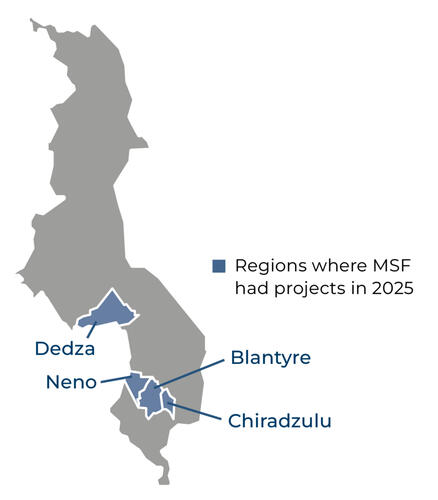
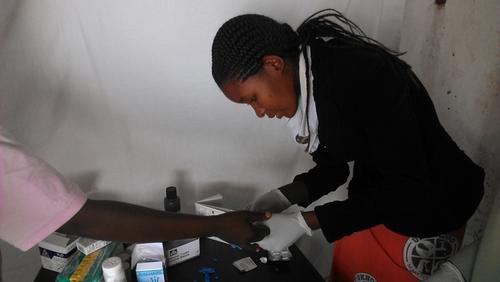
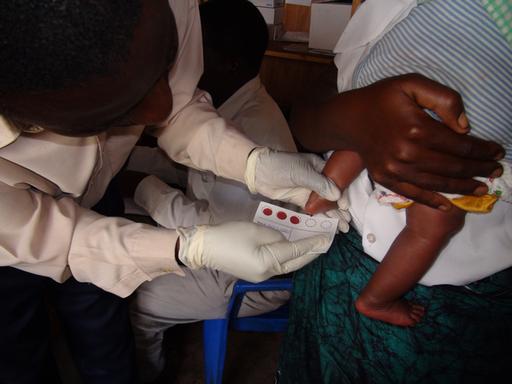
In Malawi’s second-largest city, Blantyre, and the surrounding district, we have worked closely with the health authorities to develop a comprehensive cervical cancer programme that comprises basic and advanced prevention, diagnosis, and treatment, as well as palliative care. Patient-centred activities, such as mental health support, education sessions, physiotherapy, and social support, are also part of the programme. For the second consecutive year, we were able to refer patients to a private radiotherapy centre in Blantyre.
In 2025, MSF finalised the PAVE* study, which was implemented in 10 health centres and a mobile clinic, where we supported cervical cancer screening and treatment. This study, which was developed in nine countries, aims to evaluate a screen–triage–treat strategy using self‑sampled HPV testing and AI-assisted visual evaluation to better detect and manage precancerous cervical lesions in resource-limited settings. In Dedza and Zalewa, we work alongside two community-based organisations run by people who engage in sex work and former MSF staff, providing sexual and reproductive health services. We offer screening and treatment for sexually transmitted infections, cervical cancer screening, contraceptives, mental health counselling, and HIV prophylaxis. In 2025, we participated in a research study on injectable pre-exposure prophylaxis (PrEP), and subsequently improved the model of care for women who are receiving care from MSF and require HIV PrEP. They no longer need to take an oral drug every day; instead, they receive an injectable version every three months.
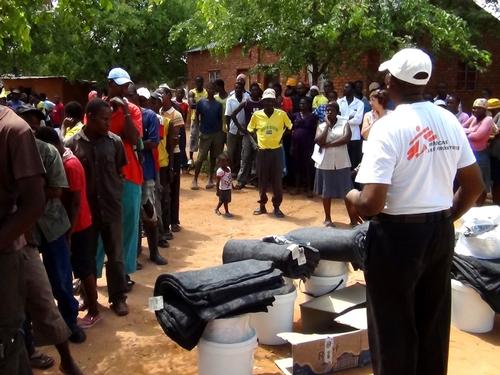
In 2025, MSF also provided emergency support to refugees from Mozambique in Nsanje by building latrines and showers, distributing hygiene kits, and running health promotion sessions.
*Papillomavirus and Automated Visual Evaluation