

4,900
4,9
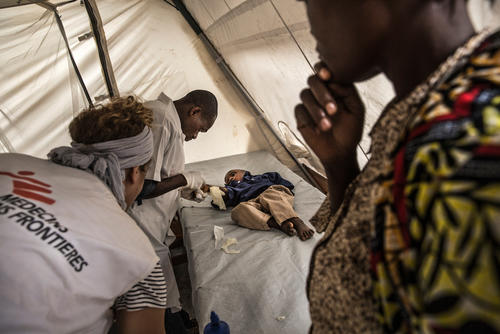
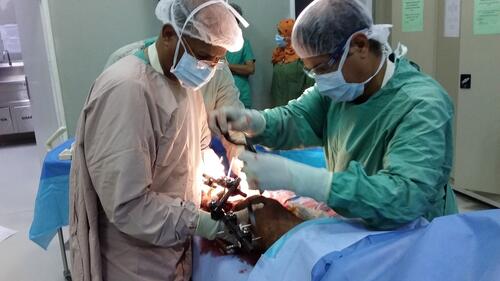
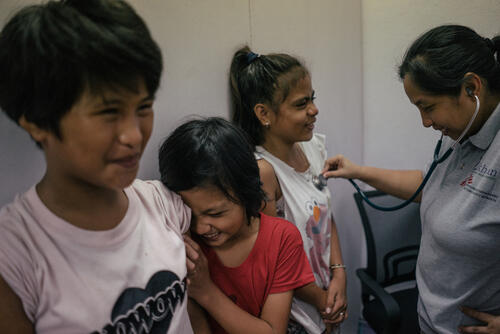
MSF operated 51 mobile clinics for refugee communities in Malaysia in 2017. The teams conducted a total of 4,862 consultations and 893 referrals for secondary services, including comprehensive emergency obstetrics, neonatal care, treatment for work- and accident-related trauma, and for tuberculosis and non-communicable diseases. Around 65 per cent of those treated were unregistered refugees, mainly Rohingya, whose precarious legal status means they are often unable to access healthcare. In 2018 MSF will open a fixed clinic offering primary healthcare in a neighbourhood in Penang where migrants from many countries have settled.
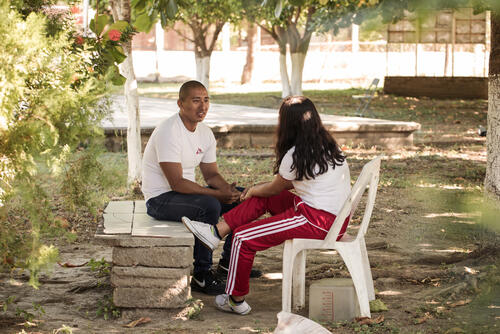
Early in the year, MSF started providing medical screenings and outpatient consultations in government shelters for victims of human trafficking. The team also donated hygiene kits and ran health education sessions. During the year, 297 victims from Thailand, Cambodia, Vietnam, Indonesia, China, Myanmar, Malaysia, Nepal, Bangladesh and the Philippines benefited from these services.
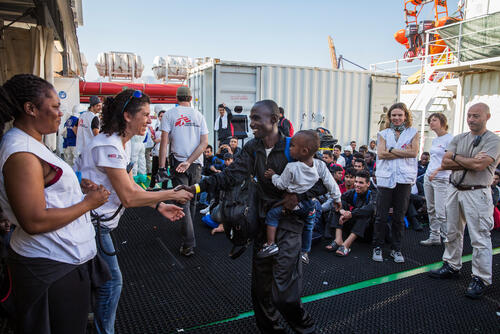
In Langkawi, a known migrant disembarkation site, MSF has developed a strong network with various fishermen communities and local authorities. This will place the team in the best position to provide a first response if migrant boats arrive. Two training sessions for the fishermen were organised.
MSF also addresses access to protection. The United Nations refugee agency, UNHCR, continues to restrict asylum claims by ethnic groups from Myanmar, who represent 90 per cent of asylum seekers in Malaysia. A limited number of NGOs can refer asylum claims to the refugee agency based on a set of additional vulnerability criteria. In 2017, MSF made 439 such referrals, 31 per cent of the total received by the agency nationwide.