People in Haiti are bearing the brunt of political instability and intense violence, which can leave people cut off from basic services, including healthcare.
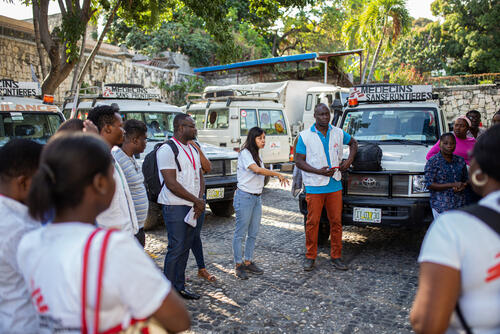
In Haiti, we provide care to victims of trauma, victims and survivors of sexual and gender-based violence, as well as sexual and reproductive healthcare. We also respond to emergencies, including disease outbreaks and in the wake of natural hazards.
Since the assassination of the Haitian President in 2021, people in the capital Port-au-Prince have experienced extreme violence as armed groups, police, and civilian self-defence factions fight throughout the city; more than 80 percent of neighbourhoods are now under the control or influence of armed groups. Public services and infrastructure are extremely limited or are severely degraded, including sanitation services. An estimated 1.5 million people, more than half of whom are women and girls, are internally displaced.
What we do in Haiti

01
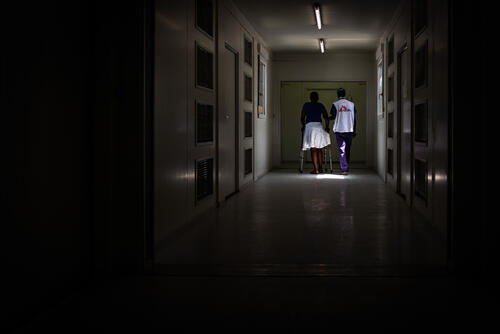
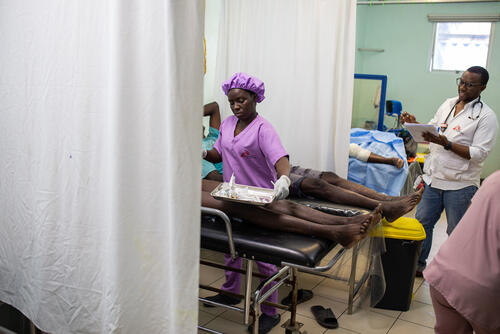
Trauma and burns care
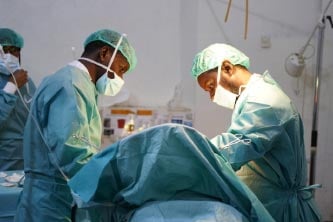
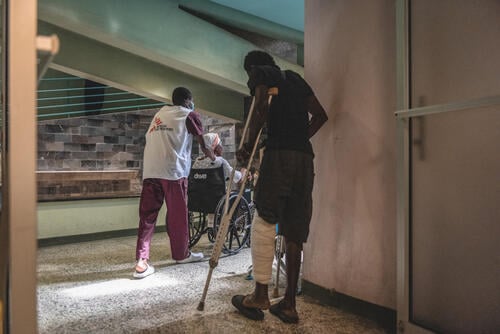
Intense violence affects communities across Port-au-Prince and areas including Artibonite, in the country’s north. Our teams provide trauma care, treating people with gunshot and stab wounds, severe burns, and victims of road accidents in several medical facilities across the capital, in nearby Carrefour, and in Artibonite.
02
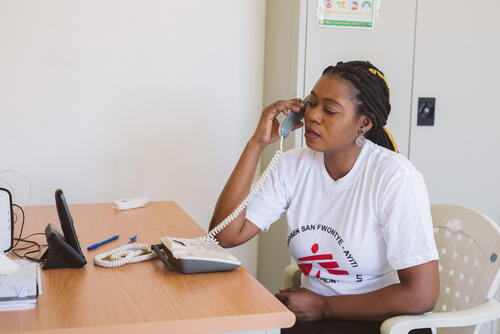
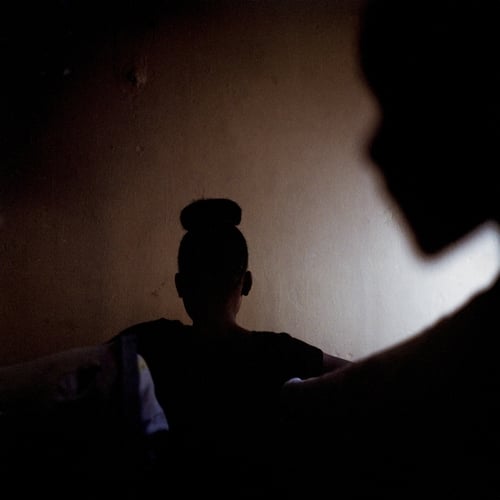
Care for victims of sexual and gender-based violence
The conflict in the country also extends to extreme levels of sexual and gender-based violence, including rape. Our Pran Men’m clinic in Port-au-Prince provides comprehensive medical and psychological support for victims and survivors. We provide care to victims and survivors across a number of hospitals in the capital, and in Port-à-Piment, in the country’s southwest.
03
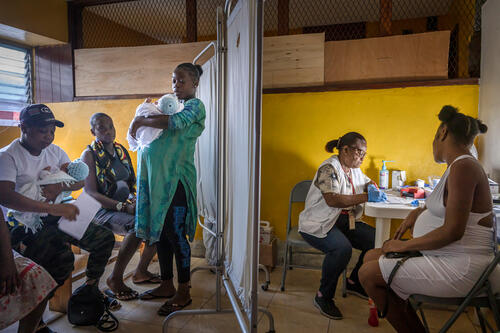
Sexual and reproductive care
Haiti has the highest maternal death rate in the Americas. Few pregnant women receive prenatal care, and many births take place at home without medical assistance. In Port-au-Prince’s Cité Soleil neighbourhood, we work in Isaïe Jeanty maternity hospital providing contraceptives, pre- and postnatal care, and caesarean sections. We also provide sexual and reproductive health consultations through mobile clinics in the city. The South departement has a particularly high maternal death rate, so our teams provide emergency obstetric and neonatal services in Port-à-Piment.

04
Water and sanitation
With most neighbourhoods in Port-au-Prince living under the violence and control of armed groups, access to water, sanitation and hygiene services is extremely low. Water is either unavailable, of poor quality, or is too expensive in some areas. Drainage channels are filled with dangerous waste, and many disadvantaged neighbourhoods are prone to flooding and groundwater contamination, meaning that the risk of waterborne diseases such as cholera are high. MSF teams work alongside communities to rehabilitate or install hand pumps and safe water points, and renovate or construct community latrines.
05
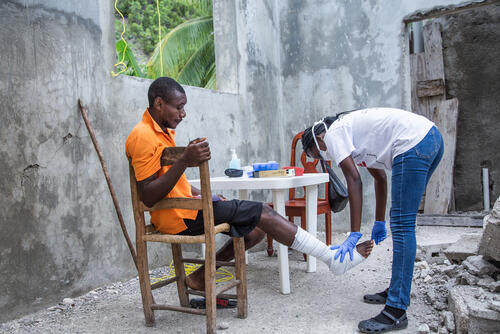
Emergency response
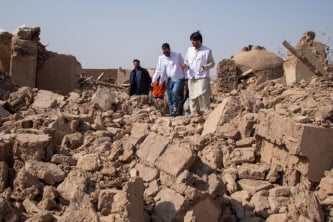
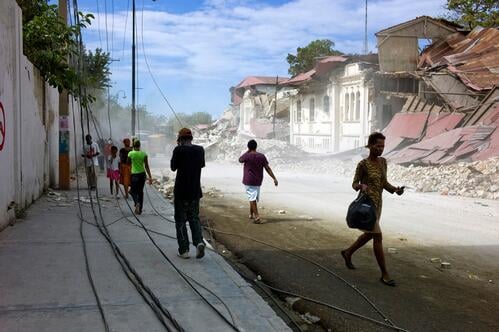
With enduring armed clashes and frequent natural hazards, we respond to emergencies when needed. Our teams provide emergency assistance to people, including medical care, surgery, and water and sanitation needs, most recently after an earthquake in August 2021.
Our activities in 2025 in Haiti
Data and information from the International Activity Report 2025.
1,959
1,959
€53.4 M
53.4M
1991
1991
MSF in Haiti in 2025
As the security situation deteriorated even further in Haiti, Médecins Sans Frontières (MSF) teams delivered vital services, including treatment for trauma, burns, and sexual violence, and maternal and neonatal healthcare.

177,900
177,9
12,800
12,8
4,780
4,78
4,680
4,68
2,980
2,98
Haiti
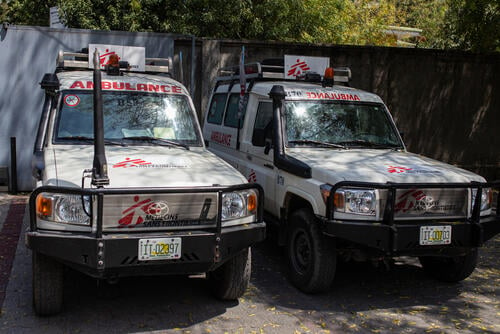
Attack on ambulance forces suspension of activities in Port-au-Prince emergency centre
Press Release
15 Dec 2023

Haiti
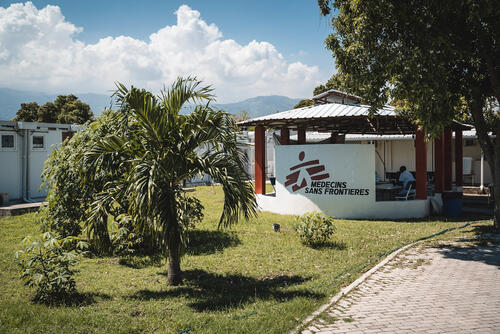
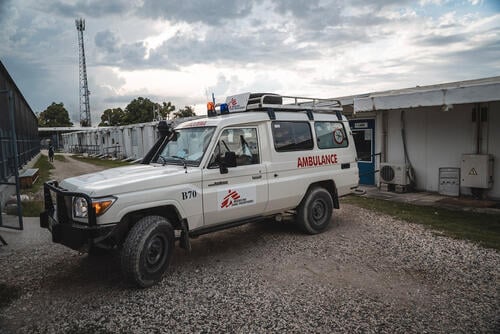
Armed men violently enter Tabarre hospital and forcibly remove patient
Press Release
7 Jul 2023
Haiti
Violent clashes force temporary closure of MSF hospital in Cité Soleil
Press Release
9 Mar 2023
MSF job opportunities in Haiti
Research & Analysis
find us online