


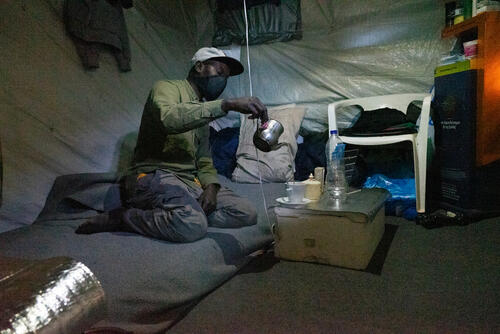
- A new MSF report outlines the scale of suffering inflicted by the EU and Greece on people trapped in the migrant hotspots of the Greek islands.
- Over two years, MSF teams have provided care to 180 people who had self-harmed or attempted suicide, with two-thirds being children.
- MSF and other NGOs have been forced to provide even basic services in some camps, such as clean water.
- Even as new reception centres are being built, MSF urges the EU and Greece to immediately stop the policy of containment for migrants.
Athens/Brussels/Geneva – In a report released today, Médecins Sans Frontières (MSF) once again calls on European Union leaders to completely change their approach to migration and to stop intensifying their existing containment and deterrence policies, which are causing avoidable harm to the health and wellbeing of asylum seekers, refugees and other migrants.
“For more than five years, the EU policy of containing people and processing their asylum applications in hotspots on the Greek islands has created an unprecedented crisis and tremendous human suffering. These are not unintended consequences,” said Reem Mussa, MSF humanitarian advisor on migration and one of the authors of the report. “The EU’s hotspot model is designed not only to process migrants’ asylum applications, but also to deter others who dare to seek safety in Europe.”
The report, ‘Constructing Crisis at Europe’s Borders’, shows how the EU’s migration policies put the health, wellbeing and safety of people trapped on the Greek islands in jeopardy. People who have survived violence and hardship are stuck in appalling conditions, with a lack of information on their legal status and subjected to harsh border and asylum procedures. This system has inflicted misery on people, put their lives in danger and erodes the right to asylum.
Video
The failed EU policy of migration containment
During 2019 and 2020, MSF mental health clinics on Chios, Lesbos and Samos islands in Greece treated 1,369 patients, many of whom suffered from severe mental health conditions including post-traumatic stress disorder and depression. More than 180 people treated by MSF had self-harmed, or attempted suicide. Two-thirds of them were children, and the youngest was just six years old.
MSF patients cited daily stresses and constant fears as major factors impacting people’s wellbeing and mental health. These include navigating life in poor conditions, complicated administrative and asylum procedures, exposure to violence and insecurity, family separation, unaddressed medical needs, and fear of deportation.
Furthermore, for years, even the most basic life essentials have been neglected on the Greek islands. MSF and other NGOs have been continuously forced to step in to provide crucial services, from healthcare to water. Between October 2019 and May 2021, MSF teams trucked in over 43 million litres of clean water for people in the over-crowded Vathy hotspot on Samos, where the water is unsafe to drink.
Despite claiming to change for the better, the EU and the Greek government are spending millions of euros to standardise and intensify policies that have already done so much harm.Iorgos Karagiannis, MSF Head of Mission in Greece
“Despite claiming to change for the better, the EU and the Greek government are spending millions of euros to standardise and intensify policies that have already done so much harm,” says Iorgos Karagiannis, MSF Head of Mission in Greece.
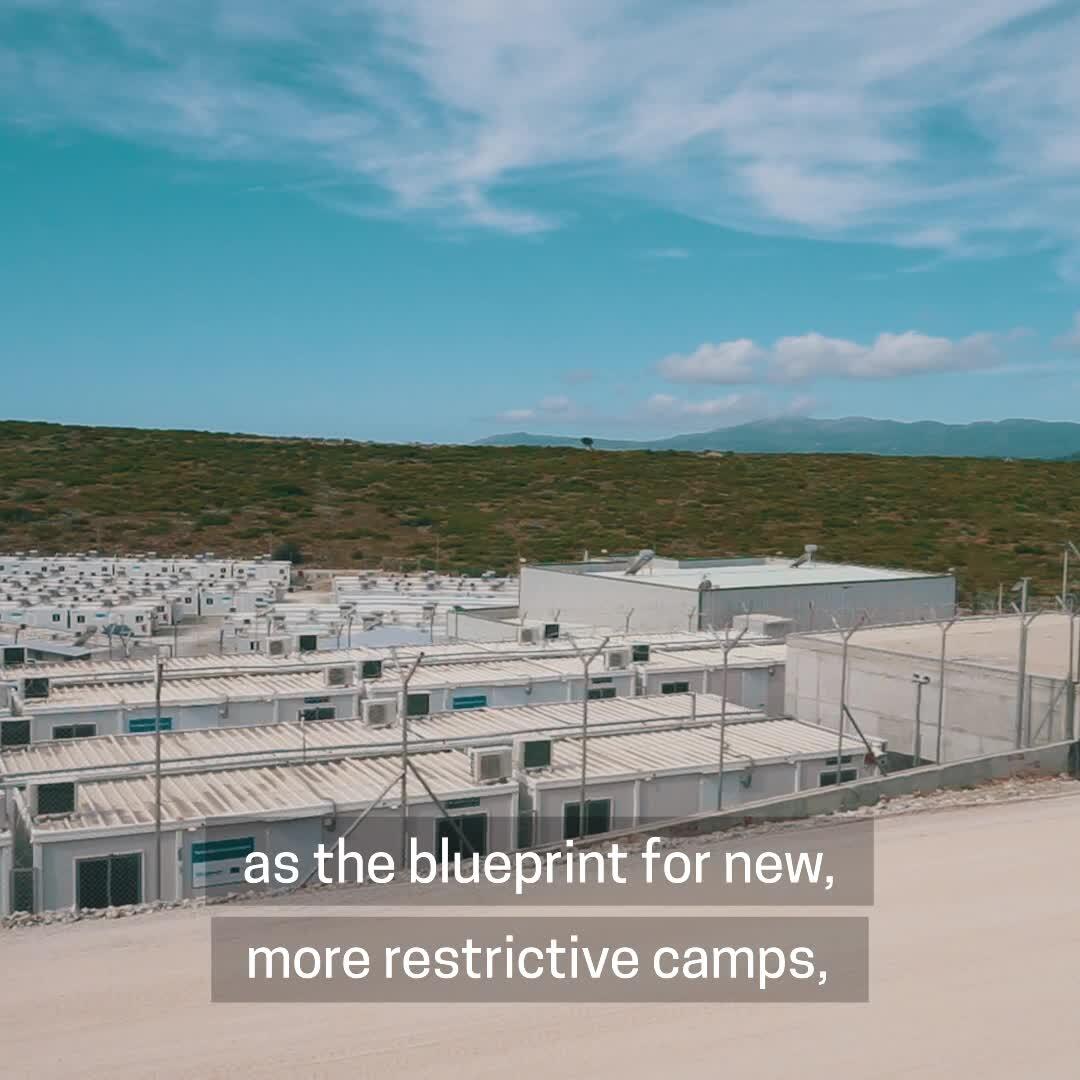
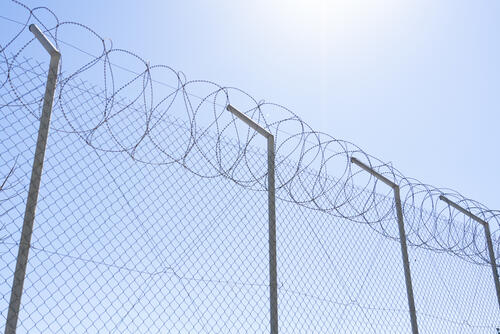
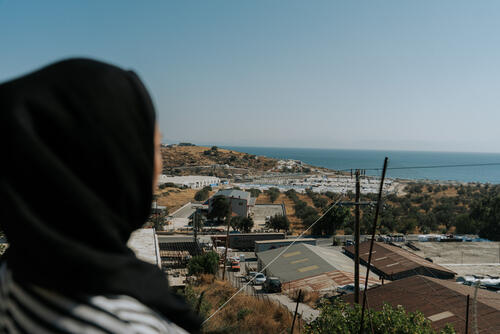
“Shockingly, Lesbos's Moria hotspot, which was not only dysfunctional but deadly, is now the blueprint for a new prison-like centre on Samos,” says Karagiannis. “The new facility is in a remote, exposed area of the island and will hold people in shipping containers, surrounded by barbed wire, with controlled entry and exit. This cannot be sold as an improvement in people’s living conditions. Instead it will continue to cause a degradation in people’s mental health, a further protection crisis and will make the suffering of those trapped on the Greek islands even more invisible.”
The EU and Greek Government are intensifying the crisis by planning new Multi-Purpose Reception and Identification Centres (MPRICs) in remote locations on the Greek islands. One of these restrictive centres is already being built on Samos and may be operational in June 2021.
“It is not too late for compassion and common sense,” says Mussa. “The EU and its Member States should end polices of containment and ensure people arriving in Europe have access to urgent assistance, facilitate access to protection and relocation to safe reception and integration in communities across Europe.”
Greece
One year on from Moria fire, EU denies dignity to migrants trapped on Greek islands
Project Update
10 Sep 2021