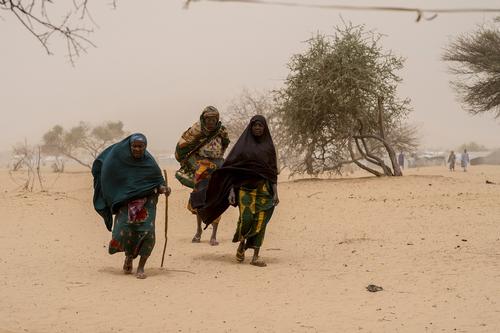
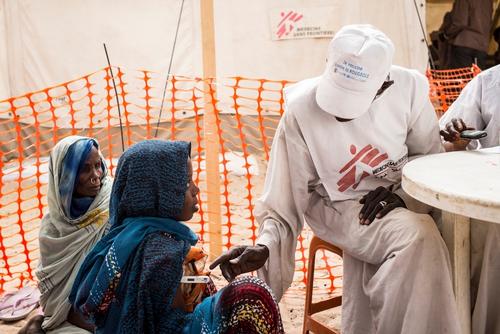
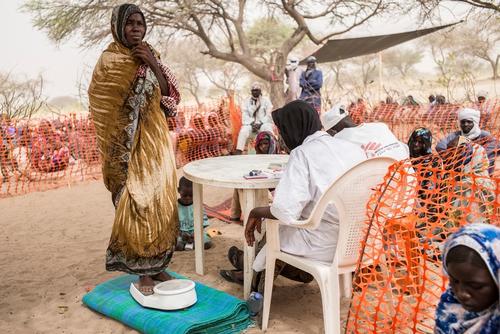
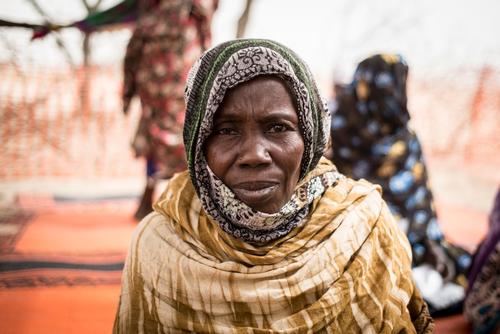
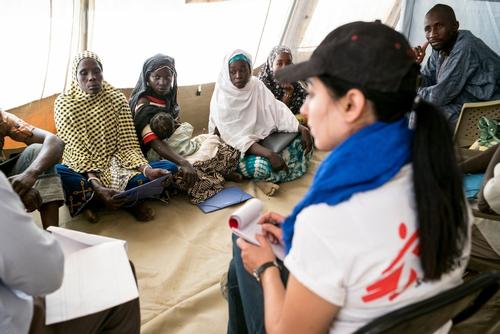
Yakah Mamadou, 46 is from Ngouboua, Chad, which has been attacked by Boko Haram in February. “The village has been burnt and people have been killed. I decided to fled to reach the family of my daughter in Forkouloum where the security situation is better”. The MSF mobile clinic is her only way to have healthcare.
Yakah Mamadou, 46, is from Ngouboua in Chad, a town which was attacked by Boko Haram in February. “The village was burned and people were killed. I decided to flee so I could be with the family of my daughter in Forkouloum. Here, the security situation is better.” The MSF mobile clinic which visits the village is Yakah’s only way to receive healthcare.
© Sylvain Cherkaoui/Cosmos

Lake Chad: Assisting refugees and displaced fleeing violence

Yakah Mamadou, 46, is from Ngouboua in Chad, a town which was attacked by Boko Haram in February. “The village was burned and people were killed. I decided to flee so I could be with the family of my daughter in Forkouloum. Here, the security situation is better.” The MSF mobile clinic which visits the village is Yakah’s only way to receive healthcare.
© Sylvain Cherkaoui/Cosmos
Ebola disease in DRC: find out how we're responding
Learn more

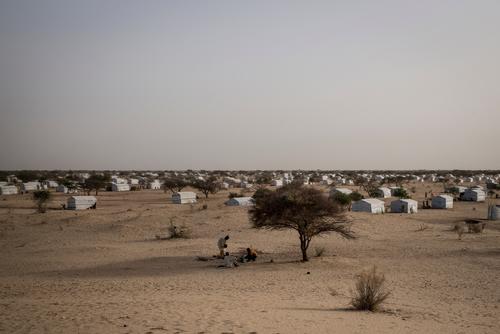
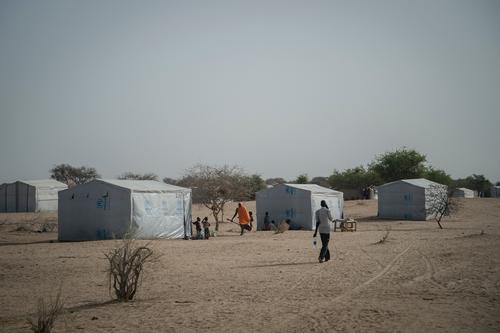
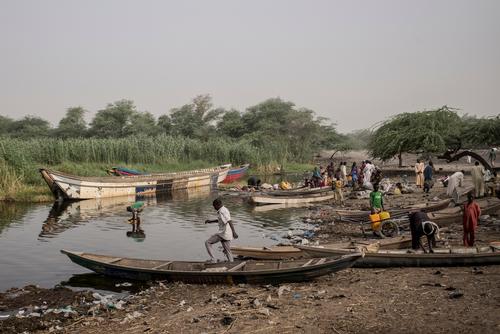
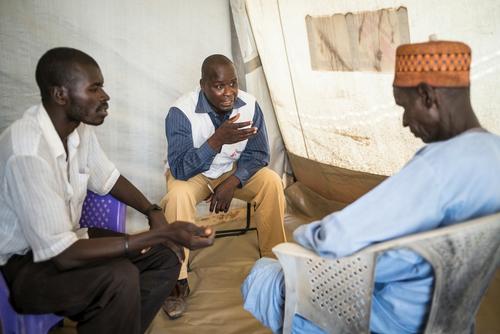
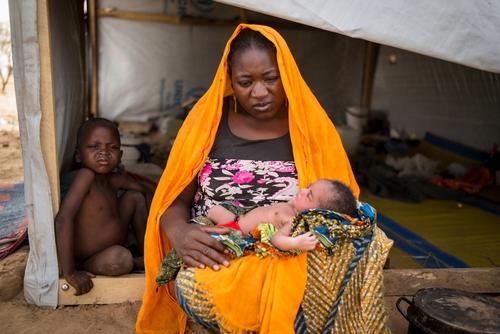
Since the Boko Haram attacks in and around the northeastern Nigerian town of Baga, which took place in January 2015, more than 18,000 Nigerian refugees have sought protection in the Lake Chad region, a remote and arid area of Chad, where living conditions are extremely difficult and insecurity still represents the daily reality.