


As the world grapples with the coronavirus COVID-19 global pandemic, Médecins Sans Frontières (MSF) is concerned for vulnerable groups worldwide. People with tuberculosis (TB) are among the groups that may be particularly affected. Special attention will be needed to safeguard the continuity of prevention, diagnosis, treatment and care for people with TB worldwide.
TB is the world’s leading infectious disease killer, with nearly 10 million people affected and 1.5 million deaths in 2018<a href="https://www.who.int/en/news-room/fact-sheets/detail/tuberculosis">WHO, Key facts on tuberculosis</a>. Half a million people have drug-resistant forms of TB, for which the treatment can be long and toxic. TB is also the leading cause of death among people living with HIV. Many countries – such as India and South Africa – have large numbers of people living with both HIV and TB.
Is it TB? Or COVID-19?
As with TB, the new coronavirus COVID-19 typically affects the lungs and people who contract it may show similar symptoms to TB, such as coughing and fever. It’s likely that people with lung damage, such as TB patients, or those with weak immune systems, including those with poorly-controlled HIV, may suffer from more severe forms of COVID-19, if infected.
In addition, many patients with TB live in densely populated areas, and this close proximity to others further increases their risk of getting COVID-19. This is especially true in overcrowded settlements or refugee camps which have little access to clean water or healthcare.

Struggling healthcare systems will be under extra pressure
This worrying situation will become even more grave if diagnosis and treatment for HIV or TB is interrupted. As such, MSF supports the World Health Organization’s (WHO) information noteDownload the PDF direct from WHO's website: <a href="https://www.who.int/tb/COVID_19considerations_tuberculosis_services.pdf">https://www.who.int/tb/COVID_19considerations_tuberculosis_services.pdf</a> on strategies to maintain continuity of essential services – prevention, diagnosis, treatment and care – for people living with TB and drug-resistant TB (DR-TB) during the coronavirus COVID-19 pandemic.
Healthcare systems, particularly those in low-resource settings, will be put under considerable pressure by the COVID-19 coronavirus. We know from previous epidemics that reduced access to care, medicines and diagnostics for people with life-threatening conditions, such as TB, can lead to an increase of deaths from these underlying conditions.
In Guinea, one of the countries at the epicentre of the 2014-2015 Ebola epidemic, reduced health services led to a 53 per cent decrease in the diagnosis of TB, and a doubling of the mortality rate from the disease, as a result from direct and indirect impacts on TB health services.
Essential services need to be maintained, and innovate, to meet needs
Concurrent to the global response needed to tackle COVID-19, health authorities, implementing partners, and international funders must make every effort to maintain essential services, while reducing the risks for vulnerable populations.
To reduce the risk of COVID-19 infection amongst TB and HIV patients, we will need to see innovative changes to the ways in which healthcare is provided: this includes decentralised and outpatient treatment; access to treatment through community and ‘physically distant’ models of care; and follow up of patients through telemedicine and the use of web apps.
The implementation of all-oral treatments for drug-resistant TB, as recommended by WHO, is now an imperative that cannot be delayed, as is the implementation of community-supported treatment to reduce contact with health structures.
Measures to protect those at extra risk of COVID-19
Given the high risk of severe disease in TB patients, efforts to minimize the impact of COVID-19 should also include the provision of protective measures for staff and those in contact with TB patients and the testing and isolation of confirmed or suspected COVID cases to avoid transmission to others.
Global solidarity is essential to tackling a global pandemic. Avoiding excessive stockpiling and export bans will ensure essential medicines and supplies, including personal protective equipment, can reach all countries in need. Such collaboration and sharing will reduce the risk that people TB are put at additional risk because of a lack of necessary drugs or the ability to test. Without such an approach, the pressure on countries with already fragile health systems will be doubled.
As countries struggle to deal with the coronavirus COVID-19 pandemic, we must take all necessary steps to ensure that the impact of this pandemic does not create a second tragedy for vulnerable communities worldwide, including people with TB and HIV.
MSF and TB
MSF is one of the largest non-governmental providers of TB care in the world. In 2018, in projects in more than 20 countries across the globe, we started 16,500 people on treatment for TB, and 2,840 people for DR-TB in 2018. Together with partners we are running two clinical trials for DR-TB (TB PRACTECAL and endTB) aiming to find effective and short treatments, with manageable side effects.
MSF and COVID-19
In most countries where MSF works, we are coordinating with WHO and ministries of health to see how we may be able help in case of high numbers of COVID-19 patients and are providing training on infection control for health facilities. So far we have initiated support in Belgium, Italy, France, Spain, Iran.
A key priority for MSF is to keep our regular medical programmes running for the extremely vulnerable communities we are supporting around the world.
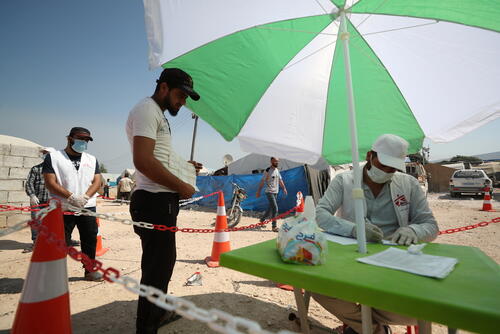
Coronavirus COVID-19 pandemic
Ten-fold increase in COVID-19 cases adds new challenges in northwest Syria
Project Update
22 Sep 2020
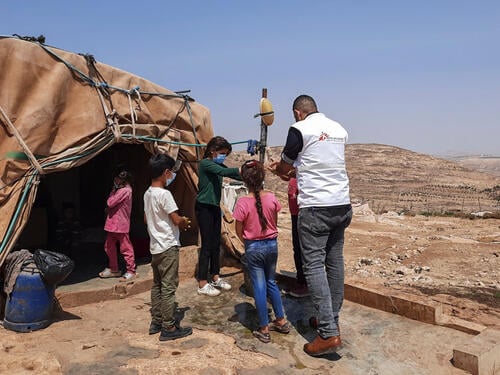
Palestine
Tackling COVID-19 in Hebron, the epicentre of the outbreak in Palestine
Project Update
21 Sep 2020
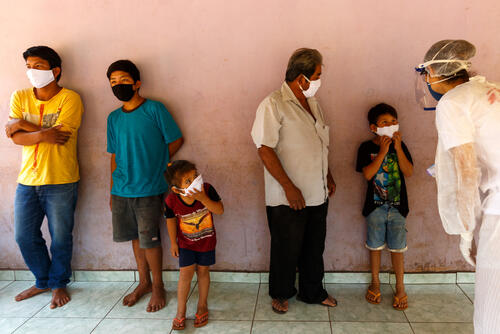
Coronavirus COVID-19 pandemic
MSF works to prevent spread of COVID-19 among indigenous people in Mato Grosso do Sul
Project Update
17 Sep 2020