



3451 Results
 
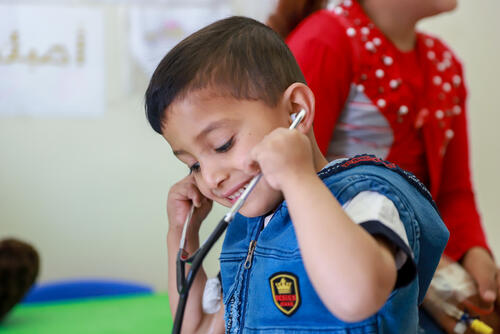
Abbas, 4 years old, playing inside MSF’s Kids Zone.
Abbas & his brother Youssef are both Thalassemia patients receiving treatment at MSF’s paediatric ward at the Elias Hraoui Government Hospital in Zahle. MSF’s Thalasemia services include, medical consultation and follow up, medical treatment and blood transfusion in addition to social and educational follow up for the children and their families.
A children’s visit to the hospital to receive treatment for Thalassemia could last for a full day. To make it an enjoyable experience, MSF prepared a Kids’ Zone, a safe space for thalassemia children to play, draw and have fun with their friends, as the mental well-being of the kids are an important factor in their physical health.
Lebanon

Treating Syrian children suffering from thalassemia

Thalassemia is a hereditary blood disorder which affects primarily people from the Mediterranean basin, including Syria. In Lebanon, MSF is treating Syrian refugee children with the disease, who usually lack access to treatment. Project Update - 5 Jul 2019
 
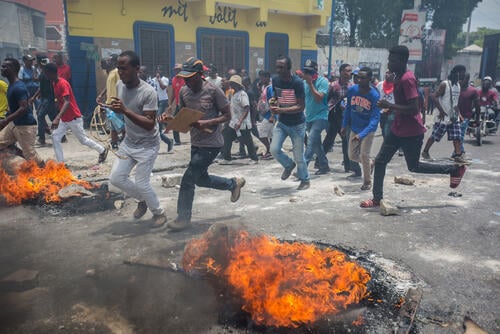
Haitian protesters run near burning tires during a demonstration in Port-au-Prince calling for the departure of President Jovenel Moïse on 9 June, 2019.

For months, Haitians have seen a steady decline in their purchasing power as the national currency devalued and fuel prices increased, against a backdrop of seemingly endless political stalemates and scandals. 

Since 9 June, tensions have escalated and there have been almost daily demonstrations and outbursts of violence in cities including Port-au-Prince, Les Cayes and Gonaïves.
Haiti

People’s healthcare in danger amidst worsening anger and despair

The streets of Haiti have spiralled even deeper into violence in recent weeks, jeopardising the ability of both MSF teams and the Haitian healthcare system to provide emergency medical care. Project Update - 5 Jul 2019
 
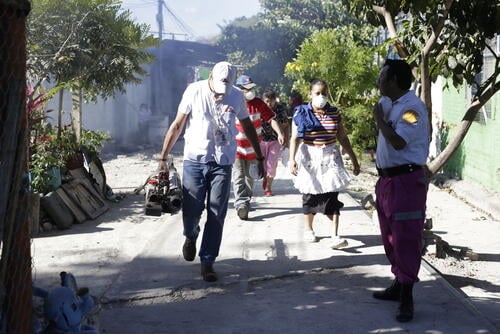
Activities such as water disinfection, fumigation to reduce the presence of mosquitoes, cleaning days or first aid courses are some of the activities carried out by the new Health Committee, in which MSF also participates.
El Salvador

La Peralta: a community organised by health

La Peralta, a community in the capital of El Salvador, has been affected by violence, which has hindered access to health services. MSF teams began making regular visits to the neighbourhood and the community has organised a health committee, which has managed to get healthcare activities starting again. Project Update - 27 Jun 2019
 
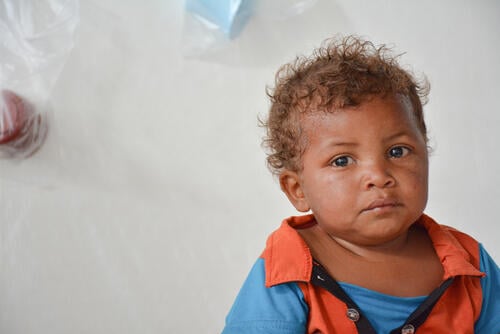
Dhi Sufal district is located at the south of Ibb governorate, in borders with Taiz governorate. In addition to MSF supported hospital, and due to the increase of the cholera cases in the area. MSF started Cholera treatment centre at the same district. MSF cholera treatment centre is receiving patients from Ibb, Taiz, and other IDPs from Hodeidah as well. Since Jan 2019, MSF has received 5466 of patients, between moderate and severe cases and has been working since the opening on 2017.
Yemen

The indirect consequences of war for people in Yemen

More than four years since the start of the war in Yemen, the indirect consequences of the conflict on ordinary Yemenis are high. Among them, people struggle to reach medical care and hospitals in time, which can have serious repercussions on their health. Project Update - 25 Jun 2019
 
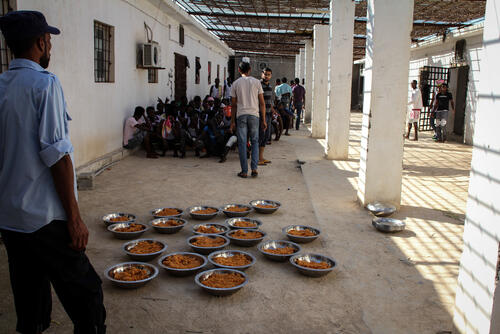
Refugees and migrants detained in this detention centre get rice or pasta for lunch and dinner. For breakfast people receive bread with some cheese. Meals often have to be shared by many people. Food is prepared in-house and is served in large metal bowls to be shared by five to 10 people.
Libya

“Healthwise, it was a disaster” in Libya’s Zintan and Gharyan detention centres

MSF staff who were recently granted access to two detention centres in Libya found a catastrophic medical situation among the people detained there. Project Update - 21 Jun 2019
 
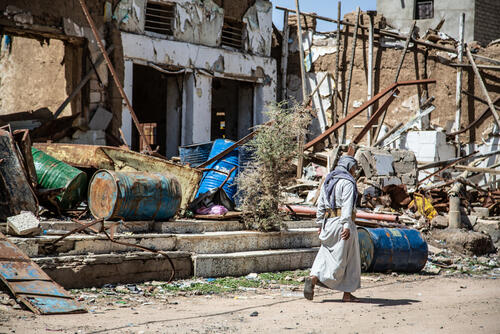
Yemen, Saada city, 22 April 2019 - A man walking in front of destroyed buildings near the old city of Saada.
Yemen

Aerial bombardments in Sa'ada

Video report on life in Sa'ada, the most bombed governorate of Yemen. With almost a quarter of all recorded coalition air raids since March 2015, the MSF hospital that was bombed in 2015 and reopened in April 2018 had admitted more than 1,500 patients by the end of the year. Project Update - 20 Jun 2019
 
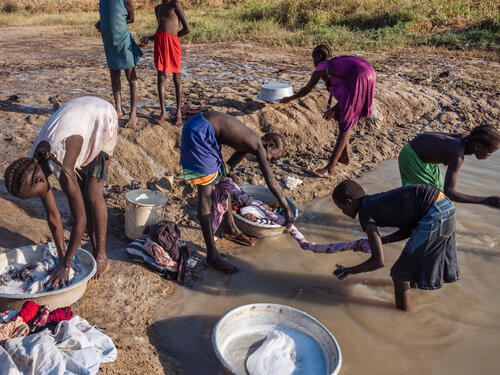
Bentiu, South Sudan, 2018. People wash clothes in the river in the buffer zone in Bentiu PoC (Protection of Civilians) site.
South Sudan

Life inside or outside a displacement camp

MSF patients and staff describe life in South Sudan’s Protection of Civilians sites, where relative safety comes at the expense of exposure to life-threatening diseases and undignified living conditions. Project Update - 20 Jun 2019
 
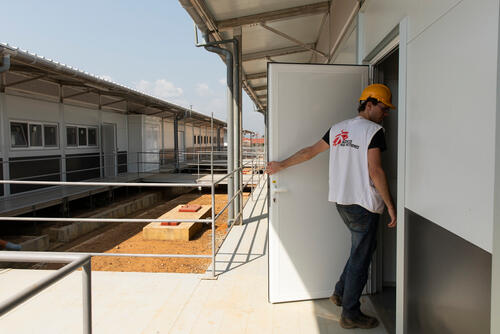
Kenema hospital during the end of the first of four construction phases. Pictures are taken after the main building structures have been built.

Medical Communication Advisor Gijs Van Gassen inspecting one of the modular buildings at the hospital.
Sierra Leone

New hospital to counter high maternal and child mortality rates

On 6 March 2019, Médecins Sans Frontières (MSF) welcomed the first patients in its new 63-bed hospital in Hangha town, Kenema district, southeast Sierra Leone. Project Update - 14 Jun 2019
 
Knocking door to door

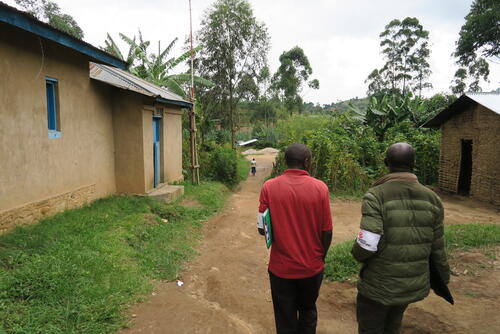
“My aunt bleeds regularly from the nose, but I am too afraid to take her to the health centre. I am afraid that she will be forced into an Ebola Treatment Center”, says a villager visited by Diallo, who knocks each day on the doors in Vukeme neighborhood in Lubero, to placate fears spread within the communities. “We need to rebuild trust with the communities, and this takes time”, explains Diallo.

“We stay with these families for half an hour and inform them about Ebola and the comprehensive healthcare they can receive at Lubero-cité health center”.

Since Ebola claimed some victims in this health zone early 2019, many rumours have been spread. Some sick people stopped going to professional health centers, because they were afraid of a killer disease they did not know. Diallo reassures them that many infectious diseases are treated in Lubero, but not Ebola. Ebola-suspected patients are transferred to Butembo hospital, where they can be tested and benefit from specialised care.

“We stay with the families for about half an hour, but information sessions can last up to more than one hour, when we visit groups made of people who are influential in their communities. We need to make sure that the correct information is given to those who need healthcare.”
Democratic Republic of Congo

Restoring trust among communities fearful of Ebola

In the midst of the Ebola outbreak in eastern Democratic Republic of Congo, MSF teams are finding ways to restore the trust of a community fearful of the disease and mistrustful of those responding to it. Project Update - 13 Jun 2019
 
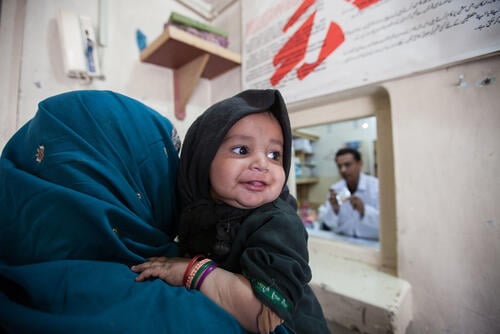
A woman collects medicine from the MSF pharmacy at MSF’s mother and child health centre in Kuchlak, Balochistan.
Pakistan

Witnessing poor mother and child healthcare in Balochistan

In Pakistan's southwest Balochistan province, poor healthcare practices - such as feeding newborns green tea - often result in illness and death for babies and children. Read more about the MSF teams providing care and trying to improve knowledge in the community. Project Update - 6 Jun 2019
Four mothers posing in a corridor of the Hospital in Bili. All four of them are staying in the hospital with their child, that's suffering from a severe case of malaria. Since the beginning of the project in 2016, the pediatric ward already treated more than 4.000 cases of complicated/severe form of malaria.
Médecins Sans Frontières (MSF)

Independent medical humanitarian assistance

We provide medical assistance to people affected by conflict, epidemics, disasters, or exclusion from healthcare. Our teams are made up of tens of thousands of health professionals, logistic and administrative staff - most of them hired locally. Our actions are guided by medical ethics and the principles of independence and impartiality. We are a non-profit, self-governed, member-based organisation.

Learn more