


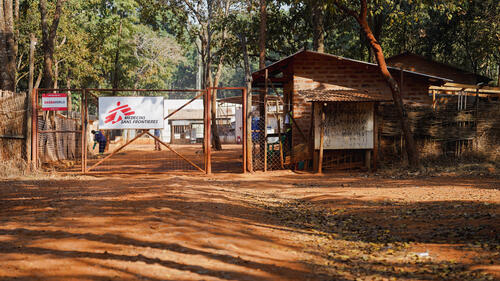
After a decade of sustained medical and humanitarian assistance, Médecins Sans Frontières (MSF) is concluding activities in Kibondo district, Tanzania, in June 2026, following the closure of Nduta refugee camp. We launched activities in 2015 after thousands of people arrived from Burundi, and have since provided lifesaving care to both refugees and surrounding host communities.
“For more than a decade, we have committed to provide medical and humanitarian services in Nduta and across Kibondo district, alongside both refugees and host communities,” says Serviour Dombojena, MSF project coordinator in Nduta. “We have worked to improve access to quality healthcare for everyone in and around Nduta, in close collaboration with the Ministry of Health, local health authorities and humanitarian partners to strengthen healthcare services beyond the camp.”
Over the past 10 years, MSF teams delivered more than 1.6 million outpatient consultations, responding to a wide range of medical needs, including infectious diseases, maternal and child health, mental health, and emergency care. The hospital admitted over 100,000 patients, ensuring access to advanced and specialised medical care, with an emphasis on mother and child care, in a place where resources are constrained.
“Investing in the health of mothers and children has been a cornerstone of our work,” says Dombojena. “By prioritising antenatal and postnatal care together with safe deliveries, we have sought not only to address immediate health needs but also to support the longer-term wellbeing of both refugee and host communities.”
Investing in the health of mothers and children has been a cornerstone of our work.Serviour Dombojena, MSF project coordinator in Nduta
In addition to regular activities, MSF emergency teams have responded to recurrent malaria peaks and outbreaks of diseases such as cholera and measles, helping to contain public health risks and ensure access to care for people in need.
Throughout the project, MSF worked closely with Tanzanian health authorities, UN agencies, and humanitarian partners, while supporting national staff through training and capacity building.
“As we conclude our activities following the closure of the camp, we hope that the investments made over the past decade will continue to benefit both refugee and host communities and contribute to a stronger and more resilient health system in Kibondo district,” says Tommaso Santo, MSF’s head of mission in Tanzania.
We remain concerned for the wellbeing of communities and our former staff who have been affected by the camp’s closure, whether they moved to Nyarugusu camp as per their UNHCR status, or returned to Burundi.
“We hope that they will continue to have access to the support and services they need during this transition,” concludes Santo.
MSF remains present in Tanzania, with ongoing medical projects and emergency response support.
Tanzania
Interpreters are the voices that turn medical silence into maternal hope in Tanzania
Voices from the Field
4 Jun 2026
DRC Ebola outbreaks
Ebola disease outbreak spreads like a megafire in North Kivu as new hotspots multiply
Project Update
5 Oct 2026