


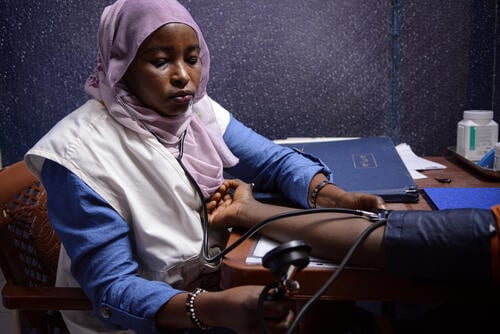
Nemat Abaker, MSF midwife supervisor in the maternity ward doing consultations for pregnant women in MSF fixed clinic in El Geneina, West Darfur. The majority of our patients come from the more than 100 sites in the state capital more than 100,000 people displaced people have taken shelter following episodes of deadly violence earlier this year. Water and sanitation conditions in these sites are very poor, contributing to poor health. 
(Written consent)  

 Testimony: 
“We provide reproductive healthcare for women, and we assist them during deliveries. We also provide all prenatal and postnatal care for the mothers. Usually, we receive more than 40 women and assist 5 deliveries a day in the clinic. 

Recently, we started to see fewer patients coming to us because of the recent violence here in El Geneina and attacks on the hospitals which lead to forcing these facilities to close its doors to patients. 

Even before these difficulties, women who face very critical conditions prefer to give birth at home and risk complications rather than going to a hospital. Even if it means a higher risk of dying during childbirth. There are many internally displaced people here and they are living in harsh living conditions which also brings bad consequences for women’s health and wellbeing  

Most of the time mothers come alone without a caretaker and they are in a bad nutrition condition, carrying the responsibility and care for their whole family.” (June 2022)  

 “I am very happy to be a woman and I thank God for creating me as a woman. However, many women in Sudan struggle. They work very hard to feed their children. Even when they are pregnant, they go out to work and get called out by people telling them they should stay home and care for their children. Some girls get married as early as 14 years old and are prevented education, because an educated woman would be strong and resist.   

In the MSF fixed clinic in El Geneina, Western Darfur, we see the many challenges women face to seek medical services. There are lots of displaced people in the city. Some pregnant women come for a first visit and would not come back for the next. Even if our services are free of charge, some women tell us: “I have nothing to eat, how can I come to you again?” Many pregnant women come alone to the clinic, there is no caretaker for them. Even after deliveries, husband usually don’t come. In another MSF clinic here in Darfur, we saw a girl who had gone through an unsafe abortion, she had severe anaemia. She spent three days without nobody asking about her. It is a neighbour who saw her by chance in the hospital and alerted the husband. Why did he not come with her?   

When I was a young student, I saw a woman die while giving birth, because of a lack of medical care. She had been delivered by a traditional birth attendant. At that moment, I decided to complete my education in order to avoid this to happen again. With MSF I can keep learning and achieving this. Helping mothers and their babies is the most important thing for me. I hope to learn more, know more, help more.” (March 2022)
Nemat Abaker, MSF midwife supervisor in the maternity ward, completing consultations with pregnant women at the fixed clinic in El Geneina, West Darfur, Sudan, June 2022.
© Majd Aljunaid/MSF
Jobs in the Field

Midwife

Nemat Abaker, MSF midwife supervisor in the maternity ward, completing consultations with pregnant women at the fixed clinic in El Geneina, West Darfur, Sudan, June 2022.
© Majd Aljunaid/MSF
Ebola disease in DRC: find out how we're responding
Learn more

As a midwife with MSF your experience in both complicated and normal deliveries will be essential.

With responsibilities ranging from conducting deliveries independently to supervising the use of medical resources, midwives play a vital role in safeguarding the health of mothers and infants in humanitarian contexts.

The role of a midwife with MSF is crucial in providing obstetric care to pregnant women and their babies in challenging environments. Working under the supervision of a specialist doctor, midwives ensure the implementation of antenatal and postnatal care, family planning, and obstetric services according to MSF protocols. They also manage cases of sexual violence, reproductive tract infections, and neonatal care, while upholding hygiene standards and ensuring a steady supply of essential drugs and equipment.

This is an exciting and diverse role involving some or all of the following:

Responsibilities:

  • Provide obstetric care to pregnant women and their babies, including follow-up before, during, and after delivery.
  • Implement and ensure continuity of antenatal and postnatal care, family planning, obstetric care, neonatal care, and comprehensive abortion care.
  • Collaborate in the management of sexual violence cases and assess the feasibility for referral of pregnant women.
  • Ensure hygiene and sterilisation criteria are met, and perform cleaning and minor maintenance for biomedical equipment.
  • Guarantee a regular supply of drugs and equipment required for maternity activities and follow up newborn babies until discharge.
  • Respect patients' right to privacy and confidentiality and supervise administrative procedures.
  • Participate in the organisation of the ward and ensure transfer of relevant information to the next shift team.
  • Conduct normal deliveries independently, manage obstetric emergencies, and identify cases needing referral.
  • Supervise the use of drugs, facilities, and obstetric material to ensure rational use and appropriate stock levels.
Video

That's why I became a midwife

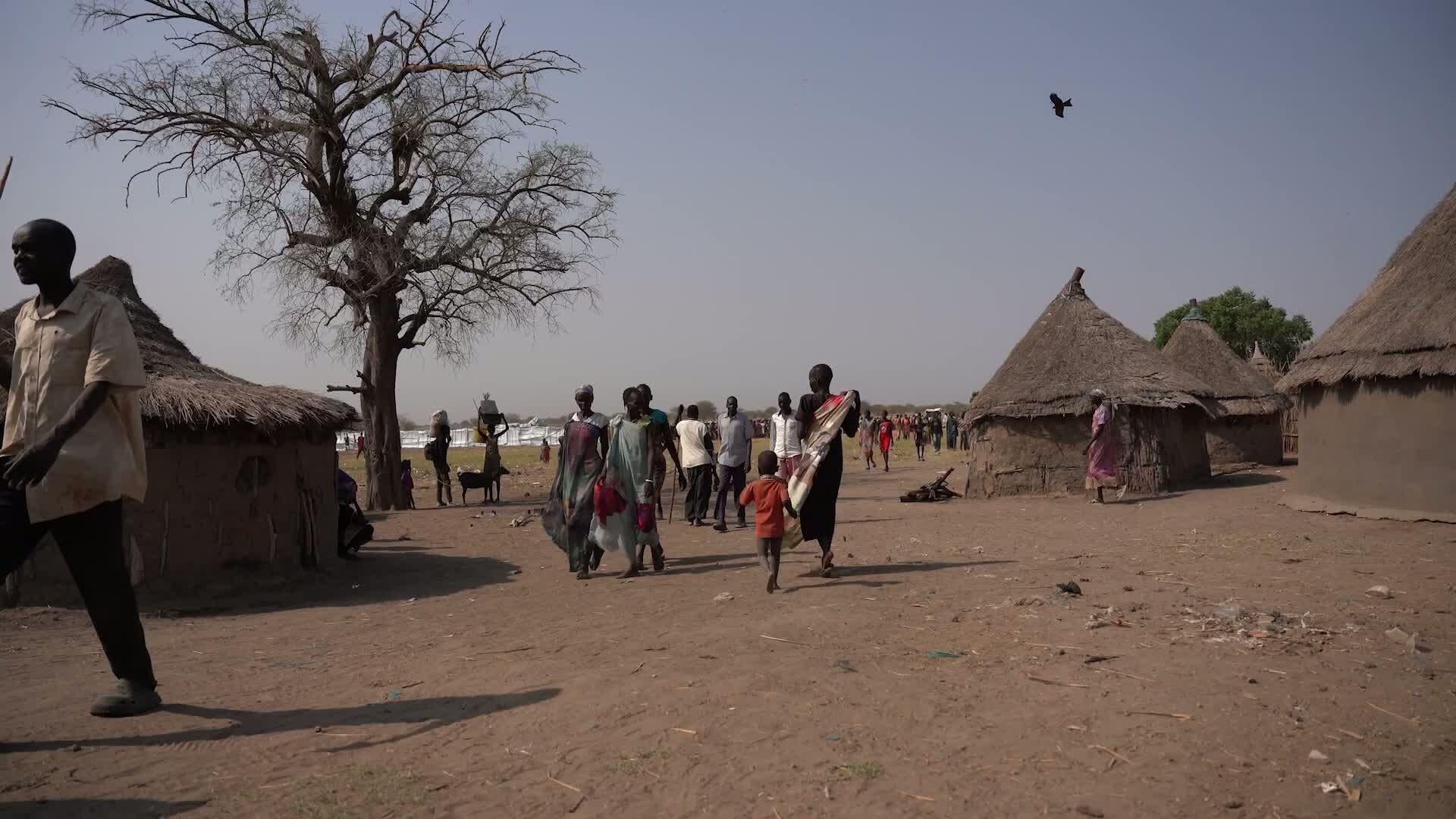
MSF runs the maternity unit in Aweil state hospital in Northern Bahr el Ghazal, South Sudan. Our team of midwives is there night and day to ensure that women living in the state can deliver safely. South Sudan has the highest maternal mortality rate of any country in the world.
Peter Bräunig

Requirements:

  • Midwifery qualification or specialisation.
  • At least two years of working experience in midwife activities/related jobs.
  • Proficiency in the programme language.

Assets:

  • Bachelor in Midwifery.
  • Experience in midwife-related jobs.
  • Proficiency in the local working language.
Jobs in the Field
I want to apply for a job
in the field and I live in

Midwife

Transporter Item

Work with MSF

In 2024, 67,000 people worked with Médecins Sans Frontières and contributed to giving lifesaving medical assistance to people who would otherwise be denied access to healthcare, clean water and shelter.

A large majority of MSF staff, about 90 per cent, are locally hired in their country of residence, working for MSF assistance programmes in proximity with the people and communities we support, or in MSF offices around the world.  

About 10 per cent of people working for MSF are internationally mobile staff, specialists or senior managers hired on fixed-term contracts to carry out assignments in countries of intervention.  

MSF doesn’t employ only doctors and nurses. To fulfill our social mission, we recruit employees from a large range of professions in the medical, finance, logistics, IT, administration, human resources, and communications fields, and in other areas.  

If you would like to work with MSF, you will find information about our behaviour commitments, minimum requirements, our recruitment processes and our current international job vacancies.  

To know more about MSF’s remuneration policies, you can also visit msf.org/rewards.

MSF has section offices in 24 countries and 18 MSF branch offices. View the worldwide map of MSF offices.

Our behavioural commitments

The integrity of our organisation is upheld by the good conduct of each individual staff member, in any location, with full respect for the communities we serve.

When you join us, we expect you to commit to our social mission and Charter; helping to deliver medical assistance to populations in distress and to people affected by natural or man-made disasters. 

For us, this means not tolerating any behaviour from our staff that exploits the vulnerability of others, or of employees taking advantage of their position for personal gain. 

We do not tolerate any physical or psychological abuse against individuals, sexual harassment, sexual relations with minors, or any behaviour that does not respect human dignity. 

MSF promotes a working environment free of harassment and abuse. Our leadership has unequivocally committed to fight abuse and to reinforce mechanisms and procedures to prevent and address it. 

Depuis janvier 2014, MSF travaille dans le centre de santé de Mamadou M’Baiki - situé dans le quartier de PK5, à Bangui - où nous offrons des soins de santé primaire aux enfants âgés de moins de 15 ans. Pendant le pic annuel de paludisme, le centre de santé de Mamadou M’Baiki peut recevoir jusqu'à 800 enfants par semaine. En 2014, sur nos différents projets menés dans le quartier de PK5 (centre de santé + dispensaires mobiles à la grande mosquée et à Kpéténé), nous avons dispensé près de 40 000 consultations (29% de cas de paludisme). <br/> 

Since January 2014, MSF has been working in Mamadou M'Baiki health center - located in the PK5 district in Bangui - where we offer primary health care to children under 15. During the annual malaria peak, Mamadou M'Baiki health center can receive up to 800 children a week. In 2014, on our various projects in the PK5 area (health center + mobile clinics at the Grand Mosque and Kpéténé area) we have provided almost 40,000 consultations (29% for malaria cases).
 *** Local Caption *** En RCA, le contexte sanitaire  est catastrophique, les indicateurs particulièrement dégradés : le paludisme (1ère cause de morbidité et mortalité) est endémique, chaque enfant âgé de moins de 5 ans fait en moyenne deux crises par an. La couverture vaccinale est très basse. Le pays possède la plus haute prévalence de VIH-Sida des pays d’Afrique Centrale (entre 5 et 10% suivant les zones). Le système de santé offre un accès aux soins limité et coûteux, les ressources humaines qualifiées manquent, les problèmes d’approvisionnement en médicaments sont récurrents. Dans ce pays à l’Etat fantôme, les opérations menées par MSF se substituent à celles du ministère de la Santé.<br/>

In CAR, health situation is catastrophic, indicators particularly degraded: malaria (first cause of morbidity and mortality) is endemic, every child under 5 years has an average of two attacks per year. Vaccination coverage is very low. The country has the highest prevalence of HIV-AIDS among the countries of Central Africa (between 5 and 10% depending on the area). The health system offers limited and expensive access to care, skilled medical human resources are lacking, drug supply problems are recurrent. In this country without State, MSF operations substitute those of the MOH.
Video

Welcome to Médecins Sans Frontières/Doctors Without Borders

Who we need in our assistance programmes

Anchor Links
Hero Image
Group photo ICCM team: (front) Christophe, Awa, Rigini, (Back) Chol, Kat, Charles, Martine
Hero Pathing Form
Work With Us (Field)
Headline
Work with us
Background
Image
Hero Alignment
top
Schedule content for publication
Off
Description
We rely on a strong network of professionals to deliver lifesaving medical aid. Discover what it means to work for MSF, including our social mission, Association and behavioural commitments.
Select caption
Short caption
Use a custom breadcrumb
No