




19,600
19,6
3,500
3,5
45
45
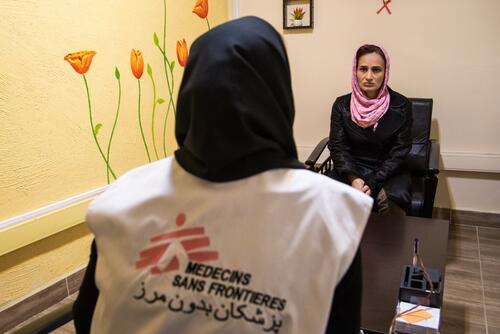
Since 2012, MSF has been providing free healthcare to excluded and marginalised groups in south Tehran, including drug users, sex workers, street children and the Ghorbati ethnic minority. Although the prevalence of infectious diseases is relatively low in Iran (less than one per cent for HIV), it is much higher in these vulnerable groups. According to the Iranian Ministry of Health, more than 60 per cent of the 160,000 HIV patients in the country are drug users, and an estimated 50 to 75 per cent of injectable-drug users have hepatitis C.
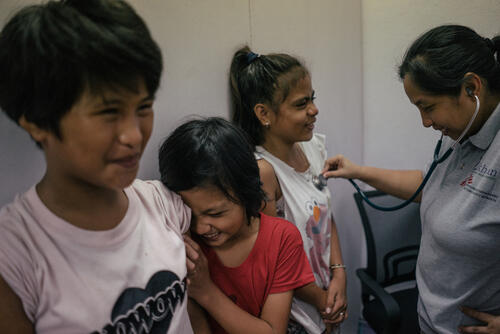
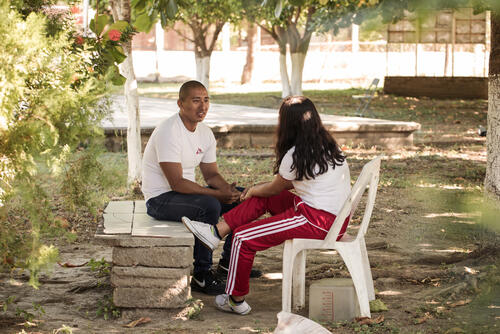
In Darvazeh Ghar district, MSF runs a clinic offering a comprehensive package of medical services designed for high-risk patients who suffer from stigma and/or need more help to follow their treatment. Services include counselling and support from peer workers, psychosocial aid, medical and mental health consultations, ante- and postnatal care, family planning and treatment for sexually transmitted infections. Patients can also be tested for communicable diseases such as HIV, tuberculosis and hepatitis C.
MSF treats hepatitis C patients with direct-acting antivirals, effective and well-tolerated drugs, which usually require a course of only three months. The team also operates a referral system, and runs mobile clinics in partnership with Society for Recovery Support, a local organisation which specialises in support for addicts and provides psychosocial assistance, harm reduction and shelter. In 2017, teams conducted 19,575 outpatient consultations and 3,495 individual mental health consultations in fixed and mobile clinics. A total of 218 patients were referred for care, and 45 started treatment for hepatitis C.
In 2017, the authorities accepted a proposal for a new project to address drug issues among the Afghan community in Mashhad, which will be launched in early 2018.