




6,800
6,8
2,300
2,3
800
8
600
6
400
4
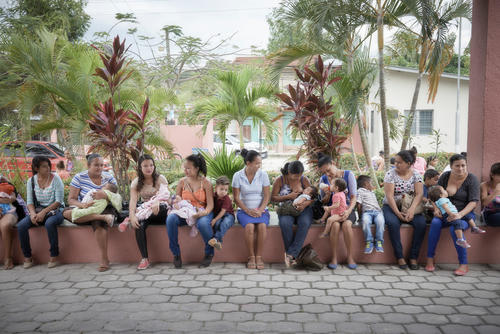
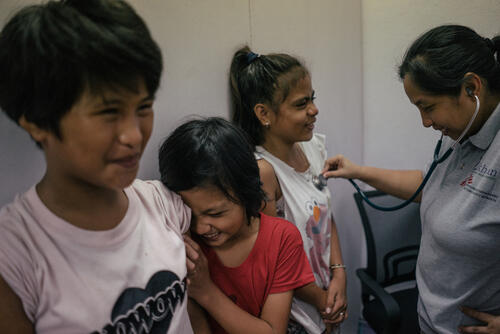
In March 2017, MSF started working at a mother and child clinic in Choloma, a rapidly expanding industrial city in northern Honduras that is notorious for its high levels of violence. Until MSF opened the project, there were few healthcare facilities catering for the needs of women in the area. Many pregnant women were not receiving antenatal care and delivery services remained extremely limited. The result was a high rate of medical complications among women of reproductive age.
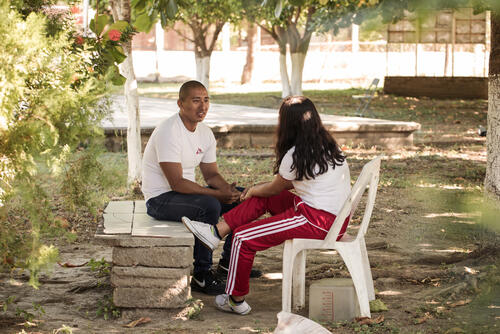
MSF teams in Choloma provide family planning, ante- and postnatal consultations, assist births, and offer psychosocial support to victims of violence, including victims of sexual violence.
In the capital, Tegucigalpa, MSF continued its servicio prioritario, or priority service, in collaboration with the Honduran Ministry of Health, offering emergency medical and psychological care to victims of violence, including sexual violence. This free, confidential, one-stop service is available at three different places in Tegucigalpa, including the city’s main hospital.
Medical treatment for rape includes post-exposure prophylaxis to prevent HIV and hepatitis B infections and treatment for other sexually transmitted infections, such as syphilis and gonorrhoea. In addition, counselling, group therapy and psychological first aid are available.
In accordance with international protocols, MSF continues to advocate access to comprehensive medical care for victims of sexual violence in Honduras, where emergency contraception is still banned.
63
63
1.8 M
1.8M
1974
1974