
What happens when drugs stop working?
A true global health emergency, antimicrobial resistance threatens to make common infections increasingly difficult to treat and routine medical procedures increasingly risky.
Bacteria, viruses, parasites and fungi are constantly changing to ensure their survival. Some have adapted so well to medical treatment that drugs commonly used to prevent or kill them are no longer effective. These microorganisms can cause drug-resistant infections. Their ability to survive medicines used against them is called antimicrobial resistance (AMR). Antibiotic resistance (ABR) specifically refers to this phenomenon in bacterial pathogens, for which antibiotics are the most common and important drugs available for treatment.
Quick facts

01
Misuse spreads resistance
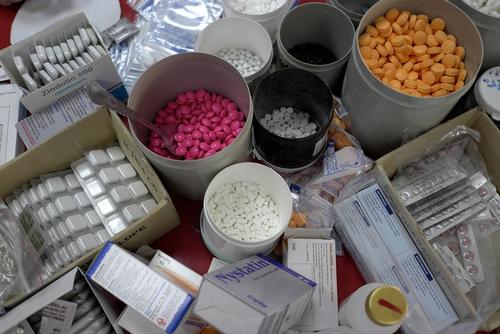
The improper use of antibiotics increases antibiotic resistance in bacteria. Misuse of antibiotics includes patients buying antibiotics over the counter without a prescription, doctors prescribing antibiotics when they’re not needed, or doctors prescribing the wrong type of antibiotic. To reduce the misuse of antibiotics, it’s important to provide people with information on when and how to use antibiotics.
02
Access to reliable microbiology labs
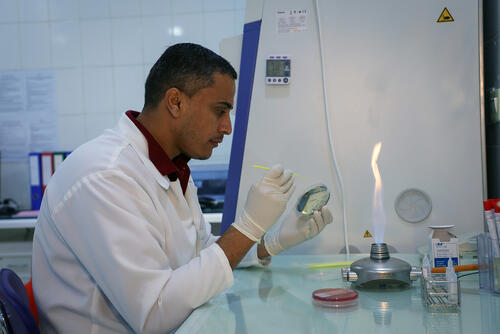
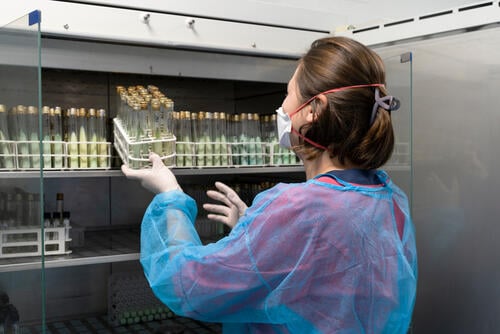
Laboratories are a key tool in the fight against antibiotic resistance. A laboratory can determine the exact type of bacteria causing an infection, as well as which antibiotics it is resistant to. However, setting up a lab is not easy in many places, especially those that are under-resourced or affected by conflict. Staff must be highly trained and follow rigorous protocols. MSF has laboratories with these capabilities in several countries in Africa, as well as in central, south, and western Asia. These include conventional bacteriology laboratories and Mini-Labs, which are small scale, transportable, and quality-assured laboratories, adapted to the places where we work.
03
Antibiotic stewardship
Overprescription of antibiotics by health staff, like doctors, nurses, and pharmacists, is part of the problem.
Healthcare workers may prescribe inappropriate antibiotics or prescribe them when they are not needed, exposing patients to potential side effects and contributing to the development of antibiotic resistance. Moreover, patients and caretakers may pressure clinicians to receive unnecessary antibiotics.
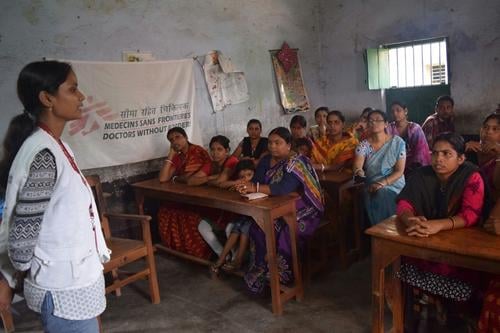
To reduce the spread of ABR, we are developing antibiotic stewardship (AMS) programmes across our hospitals. These initiatives bring together clinicians, nurses, pharmacists, laboratory technicians, and health promoters to support the rational use of antibiotics and ensure patients receive the right treatment only when it is needed.
04
Infection prevention and control
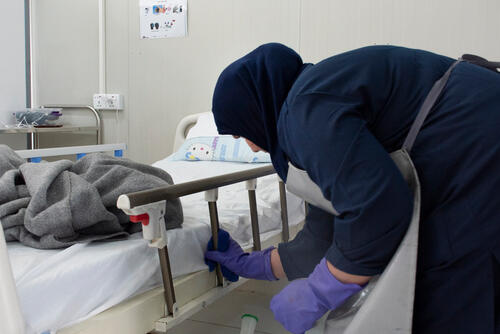
Patients admitted to hospitals may carry infections caused by multidrug-resistant organisms (MDROs). It is crucial to avoid the spread of MDROs among patients through contaminated hands, contaminated equipment, or the hospital environment. Infection prevention and control (IPC) is the cornerstone of this effort, protecting patients and healthcare workers though measures such as hand hygiene, cleaning and disinfection, and the appropriate use of personal protective equipment.
MSF Academy, in partnership with the British Society of Antimicrobial Chemotherapy (BSAC), has developed the AMR e-learning initiative, providing a 9-month diploma program to train healthcare workers on IPC and AMS.

video
(r)evolution(s) / AMR (ENG)
Revolutions in antimicrobial resistance
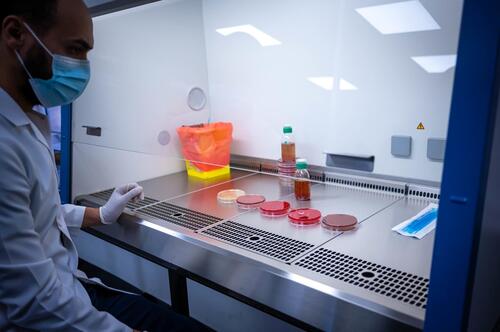
4.71 million deaths were associated with antibiotic resistance in 2021 alone. Yet in sub-Saharan Africa, just 1 per cent of labs have bacteriology capacity.
We know what AMR needs: funding, skilled human resources, capacity building, and political will that is proportionate to the urgency.
Antimicrobial resistance
The Broken Lens: Antimicrobial Resistance in Humanitarian Settings
Report
11 Nov 2024
Antimicrobial resistance
Concrete action needed in fight against antimicrobial resistance
Press Release
25 Sep 2024
Antimicrobial resistance
Antibiogo: A revolutionary application to tackle antibiotic resistance
Press Release
15 Jun 2022
Antimicrobial resistance
Treating resistant infections in Gaza under the blockade
Project Update
2 Sep 2019

Antimicrobial resistance
“Without urgent action, common infections and minor injuries could be deadly again”
Interview
17 Jan 2019

Iraq
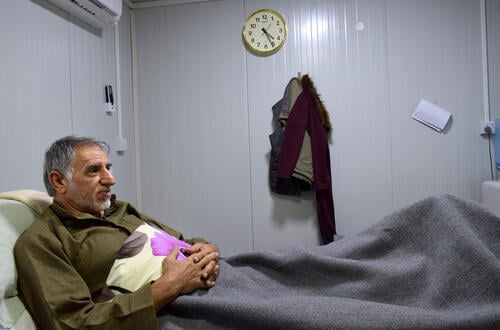
“Over a third of our patients in East Mosul show antibiotic resistance”
Voices from the Field
17 Jan 2019
Antimicrobial resistance
Drug-resistant infections are a looming challenge around the world
Project Update
16 Nov 2017

Global
G7 countries must make bold commitments to humane migration policies
Press Release
25 May 2017
G20 Health Ministers’ Meeting
Open letter from MSF to the Meeting of the G20 Health Ministers
Open Letter
17 May 2017
Research & Analysis

Medical Resource
MSF Field Research
We produce important research based on our field experience. So far, we have published articles in over 100 peer-reviewed journals. These articles have often changed clinical practice and have been used for humanitarian advocacy. All of these articles can be found on our dedicated Field Research website.
Visit site