




2109 Results
 
msf-placeholder
Syria

Medical staff and patient killed in an attack on MSF-supported hospital

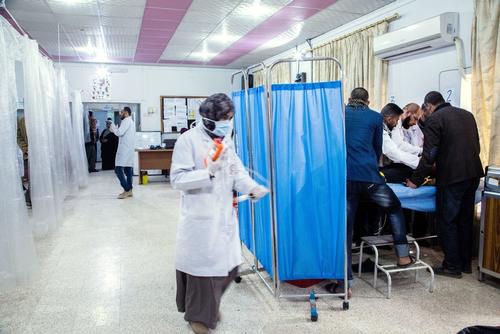
A hospital in northern Syria supported by Médecins Sans Frontières (MSF) has been hit in an aerial attack. Press Release - 31 Mar 2017
 
The Al Salamah hospital has become a reference in the area. In 2016, it had 46,337 outpatient consultations, 2,489 inpatient consultations, 26,091 emergency room treatments, 1,933 surgical procedures and there were 578 deliveries. It refers also patients to Turkey.

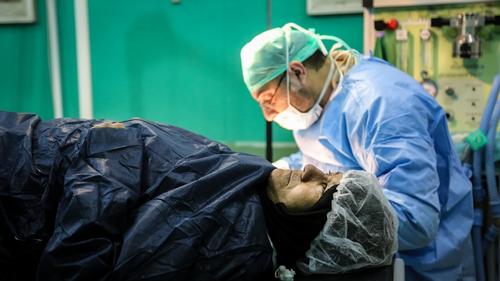
In the picture, a doctor who is operating an old lady places a sonda in her.
Syria

An obligation to tell the world

This case study illustrates the article: "No eyes on the ground. MSF’s dilemmas of using third party medical data and patient testimonies". Project Update - 30 Mar 2017
 
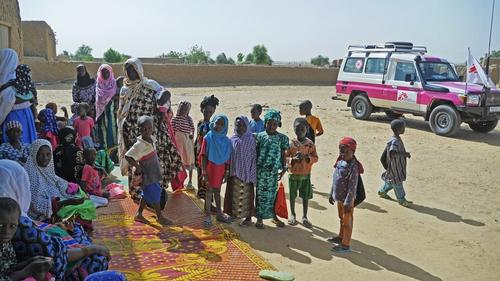
Between August and November 2015, MSF and the Ministry of Health of Mali launched a chemoprevention campaign against seasonal malaria, the leading cause of infant mortality in the country, which reached more than 45,000 children between three months and five years old in the Ansongo district, in the Gao region in the north of the country. During the campaign, MSF took the chance to complete the children’s vaccination records.
Mali

MSF warns about the use of humanitarian aid for political and military interests

The incursion of military and political actors in the humanitarian field is putting the provision of humanitarian aid at risk in Mali, according to a new report. Report - 24 Mar 2017
 
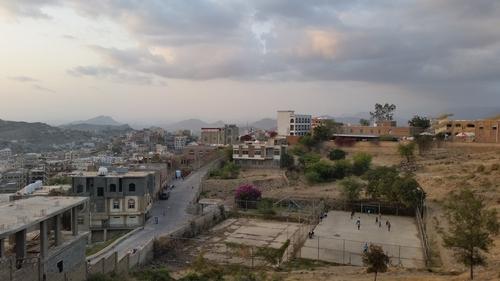
View from Al Thawra hospital in the besieged area of Taiz.
A siege has been impoased on the city by Houthis since late August 2015. MSF was not able to enter medical aid into the enclave area for five months. Only on January 16th, MSF got the authorization and delivered medical aid to Al-Thawra hospital inside the enclave area.
Yemen

MSF withdrawing from Ibb Al-Thawra hospital

"Due to our inability to run activities according to MSF’s principles of independence and impartiality, we have made the difficult decision to withdraw from Al-Thawra hospital in Ibb," says Hugues Robert, MSF Program Manager for Yemen. Statement - 23 Mar 2017
 
MSF teams in and around Mosul have received more than 1,800 patients in need of urgent or lifesaving care in the last two months. 1,500 of them needed treatment for conflict related trauma. As the scale of the non-trauma needs also became apparent, MSF opened maternity services in eastern Mosul at the beginning of February, and since then the teams have assisted 100 births and performed 80 C-sections.
Iraq

“Yesterday, it was calm; we only received 20 war-wounded patients”

Testimonies gathered on 18 March from two MSF surgeons working in the field trauma centre. Voices from the Field - 22 Mar 2017
 
MSF teams in and around Mosul have received more than 1,800 patients in need of urgent or lifesaving care in the last two months. 1,500 of them needed treatment for conflict related trauma. As the scale of the non-trauma needs also became apparent, MSF opened maternity services in eastern Mosul at the beginning of February, and since then the teams have assisted 100 births and performed 80 C-sections.
Iraq

Thousands of wounded and sick coming from western Mosul

“The need for emergency medical care has risen drastically,” said Dr Isabelle Defourny, MSF director of operations. Press Release - 22 Mar 2017
 
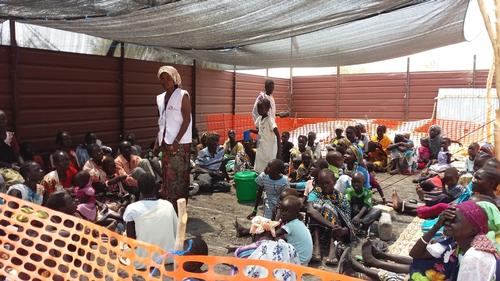
MSF has responded to the urgent medical needs of this displaced population by opening a field hospital with an inpatient, an outpatient and an emergency department in Aburoch, where up to 15,000 people have settled. Two mobile clinics are also operating south of Kodok where part of the displaced population has settled. Over the last two weeks, MSF is providing an average of 300 consultations a day, six times the number that was provided in Wau Shilluk where MSF used to run a hospital. PHOTOGRAPHER: Riaz Hussain on the 6th of March 2017
South Sudan

Urgent humanitarian assistance needed for thousands of people who fled fighting in Wau Shilluk

“The humanitarian needs of those that fled are vast and are not being met,” says Abdalla Hussein Abdalla, MSF’s deputy head of mission for South Sudan. Crisis Update - 15 Mar 2017
 
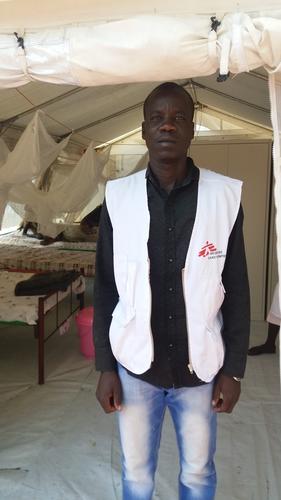
For the last two years, Francis Ronyo has worked as a nurse in MSF’s Wau Shilluk hospital. He was one of the national staff on duty when the decision was taken to evacuate and leave for Kodok. Since he arrived in Kodok, he doesn’t have a place to stay and ends up sleeping in the open with the rest of the people from Wau Shilluk. He however decided to continue serving the sick and the wounded in any way he could and is now  providing medical are in the MSF clinic in Aburoch
South Sudan

“My future is unclear, and I don't know what will happen to all of us from Wau Shilluk.”

Francis Ronyo worked as a nurse in MSF’s Wau Shilluk hospital for two years. He was one of the national staff on duty when the order was given to evacuate and leave for Kodok. Voices from the Field - 15 Mar 2017
 
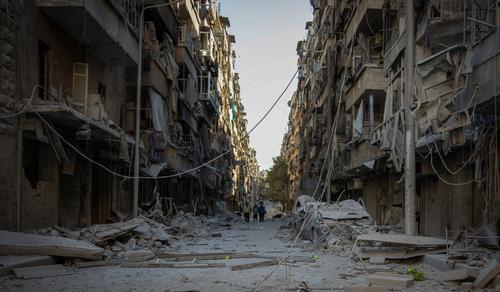
People walk down a street in Bustan Al Kasr neighbourhood after it was hit by airstrikes in mid-October 2016.
Syria

Warring groups must allow aid to population in need

MSF reiterates its call to warring groups to allow access to Syria so that victims of the war can receive medical assistance. Statement - 14 Mar 2017
 
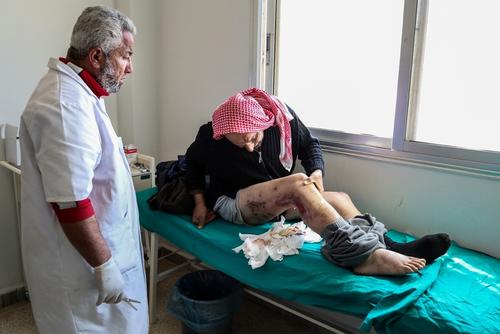
In the picture, a man who suffered a mine explosion is being treated for his wounds by an MSF doctor.
Syria

No eyes on the ground

In its 45-year history, MSF has used its presence in the field and its proximity to patients to bear witness and bring the plight of populations affected by disease, natural disasters and conflicts to the world’s attention. Project Update - 13 Mar 2017
Four mothers posing in a corridor of the Hospital in Bili. All four of them are staying in the hospital with their child, that's suffering from a severe case of malaria. Since the beginning of the project in 2016, the pediatric ward already treated more than 4.000 cases of complicated/severe form of malaria.
Médecins Sans Frontières (MSF)

Independent medical humanitarian assistance

We provide medical assistance to people affected by conflict, epidemics, disasters, or exclusion from healthcare. Our teams are made up of tens of thousands of health professionals, logistic and administrative staff - most of them hired locally. Our actions are guided by medical ethics and the principles of independence and impartiality. We are a non-profit, self-governed, member-based organisation.

Learn more