



2109 Results
 
Rafah, Gaza Strip, Jan 16 2009
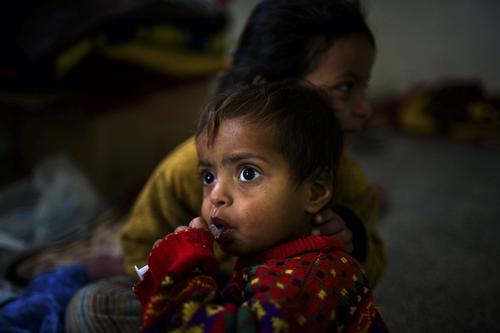
More than 1000 civilians, mainly coming from houses near de Philadelphia line (border with Egypt) that is being extensively boombed by the Israeli air force, took refuge in the UNRWA operated preparatory school number one. On the 20th day of the Israeli operation in Gaza, one and a half million people are still deprived of electricity and basic supplies, as well as being unable to flee from the densely populated combat zone.
Palestine

An MSF team entered Gaza on Thursday to scale up MSF emergency response as an Israeli ground offensive is launched

An MSF team entered Gaza on Thursday to scale up MSF emergency response as an Israeli ground offensive is launched Voices from the Field - 18 Jul 2014
 
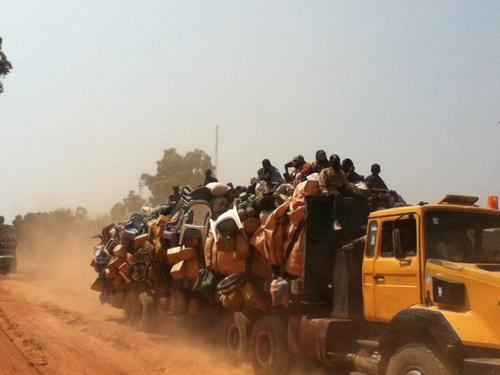
Muslim community leaving Bossangoa
Central African Republic

Retrospective mortality study reveals massive levels of death due to violence against Muslims during peak of conflict

Report demonstrates massive amount of violence directed at Muslims Press Release - 16 Jul 2014
 
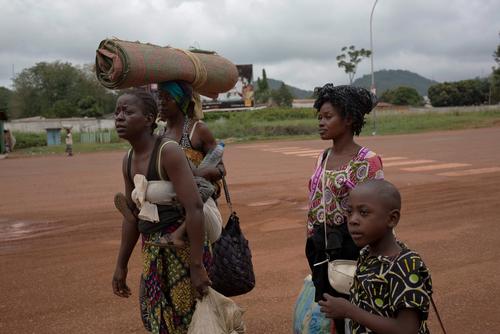
People flee their homes because of the violence and take refuge in either churches or at the airport. Tens of thousands of people have been displaced within the city due to the violence.
Refugees, IDPs and people on the move

Central African Refugees in Chad and Cameroon: “Suitcase or Coffin”

An MSF report details atrocities faced by those fleeing the Central African Republic. Report - 16 Jul 2014
 
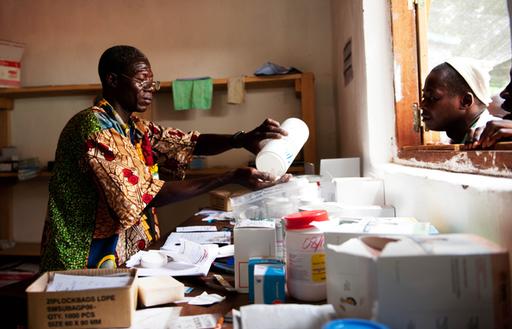
MSF is working in kabo hospital with all the illness and all the diferent patients that come to kabo hospital
 *** Local Caption *** Depuis 1999, MSF fournit des soins medicaux aux populations centrafricaines touchees par une tres grande pauvrete, la violence et l?insecurite, en particulier dans le nord de la republique Centrafricaine.
MSF travaille dans des hopitaux, des centres de sante en peripherie afin de fournir un acces aux soins aux populations, y compris celles qui vivent dans les zones les plus isolees, grace a des cliniques mobiles.
Central African Republic

Suitcase or Coffin

Video: Central African Republic - Suitcase or Coffin Project Update - 16 Jul 2014
 
Gaza Février 2014

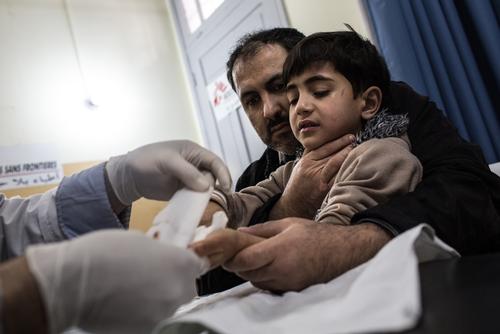
Conséquence du blocus israélien instauré en 2007, les gazaouis font face à une pénurie d'électricité. Générateurs électriques et bouteilles de gaz de mauvaise qualité sont sources d'accidents graves et fréquents. Les équipes MSF mènent un programme de chirurgie réparatrice dans les hôpitaux Al-Shifa et Nasser pour prendre en charge les grands brûlés, essentiellement des femmes et des enfants. Les patients bénéficient également d’un suivi postopératoire (physiothérapie, pansements) dans la clinique MSF, située dans la ville de Gaza.<br/>
 

Gaza, February 2014 

As a result of the Israeli blockade established in 2007, Gazan people are facing electricity shortages. Poor quality electric generators and gas bottles cause serious and frequent accidents. MSF teams carry out a program of reconstructive surgery in Al Shifa and Nasser hospitals to support burn victims, mainly women and children. Patients also benefit from postoperative care (physiotherapy, dressings) in the MSF clinic, located in the city of Gaza.
Palestine

A population under siege

Bombing intensity makes population and MSF teams on the field moves extremely dangerous Voices from the Field - 14 Jul 2014
 
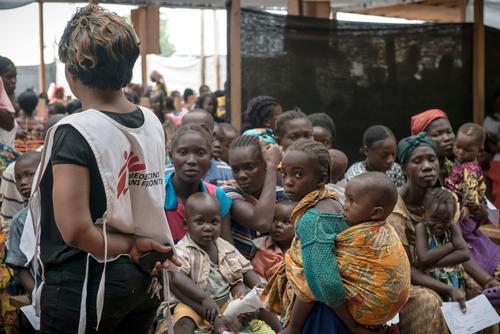
MSF staff with patients at MSF health post in Mpoko IDP camp at Bangui International Airport
Central African Republic

Interview with MSF's head of mission, Stefano Argenziano

Central African Republic: Interview with MSF's head of mission, Stefano Argenziano Voices from the Field - 4 Jul 2014
 
msf-placeholder
South Sudan

Medical Care Under Fire in South Sudan

Video: Medical Care Under Fire in South Sudan Project Update - 4 Jul 2014
 
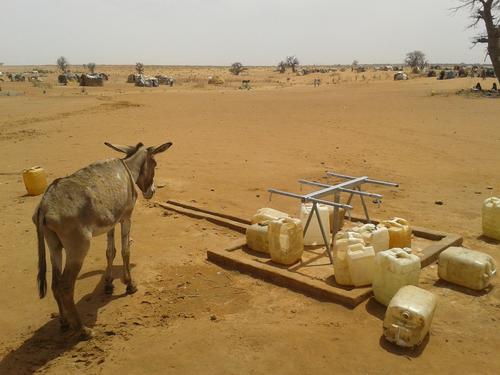
El Sereif camp, near the South Darfur State capital Nyala, saw an influx of newly displaced people in March and April, fleeing conflict and the total destruction of their villages in areas to the southwest of Nyala. The MSF medical team that had been working in the camp since August 2013 was already responding to the health consequences of poor living conditions. While some of the new arrivals have now left the camp, the 4,500 that have stayed are in particularly terrible conditions, sheltering on a patch of desert with almost none of the basics essentials to sustain life. Before the new influx, camp residents were surviving on less than five litres of water per person per day when the recognized minimum for emergencies is 15 litres – and the new arrivals have access to even less water, not enough to adequately sustain human life.
Sudan

Extremely poor living conditions in Darfur camp

Refugees have barely even essential items to survive Press Release - 2 Jul 2014
 
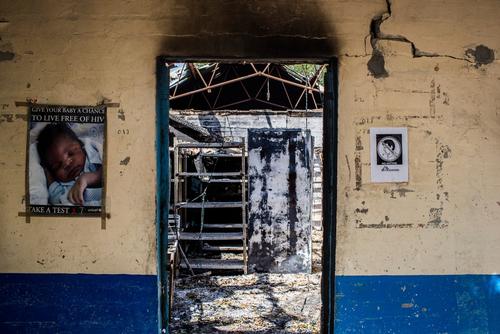
Health promotion posters flank the entrance to the incinerated remains of the emergency room at the MSF hospital in Leer, South Sudan, February 23, 2014.  The hospital was thoroughly looted, burned, ransacked, and effectively destroyed, along with most of Leer, sometime between the final days of January and early February, 2014, leaving hundreds of thousands of people cut off from critical, lifesaving medical care. The hospital, opened by MSF 25 years ago, was the only secondary health care facility in Unity State.
South Sudan

“When I walk past the burned parts of the hospital, I try not to look”

MSF project coordinator Sarah Maynard describes the devastation she witnessed at MSF’s hospital in Leer Voices from the Field - 1 Jul 2014
 
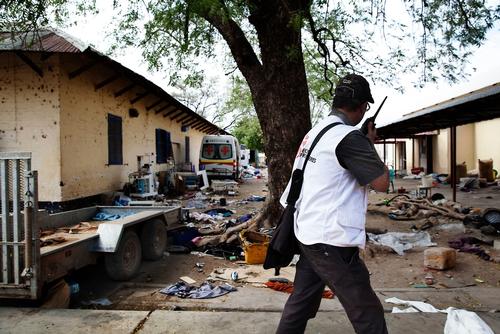
The South Sudanese key strategic town of Malakal came under attack on February 18. The clashes between government and opposition forces forced thousands of people to flee to other locations or to the UN compound in the town. The Malakal Teaching hospital was attacked by armed men. Upon their return to the hospital, MSF teams found eleven bodies. Some patients had been shot in their beds.
South Sudan

Pervasive violence against healthcare

Violence and destruction of medical facilities are denying medical services to the most vulnerable people Press Release - 1 Jul 2014
Four mothers posing in a corridor of the Hospital in Bili. All four of them are staying in the hospital with their child, that's suffering from a severe case of malaria. Since the beginning of the project in 2016, the pediatric ward already treated more than 4.000 cases of complicated/severe form of malaria.
Médecins Sans Frontières (MSF)

Independent medical humanitarian assistance

We provide medical assistance to people affected by conflict, epidemics, disasters, or exclusion from healthcare. Our teams are made up of tens of thousands of health professionals, logistic and administrative staff - most of them hired locally. Our actions are guided by medical ethics and the principles of independence and impartiality. We are a non-profit, self-governed, member-based organisation.

Learn more