



2109 Results
 
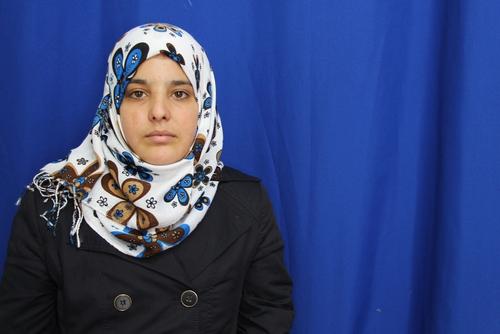
Testimonies + Photos from Gaza - between 30 March and 22 April 2015 - See the word document for captions
Palestine

Testimonies from MSF patients in Gaza

Testimonies from MSF patients from Gaza - between 30 March and 22 April 2015. Voices from the Field - 8 Jul 2015
 
msf-placeholder
Colombia

Humanitarian needs increase following the latest violent upsurge

"The humanitarian needs in the area continue to increase, and a mobile emergency response team is already on the ground to strengthen our regular teams in the area", explains Pierre Garrigou, general coordinator of MSF in Colombia. Press Release - 8 Jul 2015
 
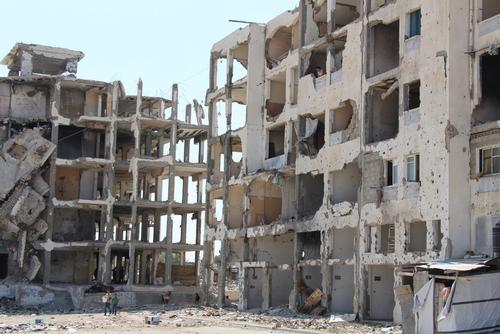
Beit Hanoun, Shuja’iya (according to the UN: Reconstruction of over 12,580 housing units totally destroyed has yet to start, prolonging the hardship of some 100,000 internally displaced people 100,000 people who lost their homes in the Gaza strip remain internally displaced and 120,000 people still have no access to public water.) Beit Hanoun, northeastern Gaza Strip, one of the hardest hit areas during the 2014 summer war, near Erez crossing, during the last war partly or fully destroyed houses, partly with makeshift extensions, giving refuge to families from there or the neighbourhood who lost their homes.
Palestine

Gaza, one year after, Palestinians still suffocated by Israeli occupation

“Eight-year-old children in Gaza have known nothing but the blockade and war since they were born,” says Erwan Grillon, MSF’s head of mission for Gaza and the West Bank. “And they’ve already lived through four offensives, two of which were absolutely devastating and indiscriminately killed a shocking number of civilians. The majority of our patients who still require war-related surgeries and physiotherapy are children under 18.” Press Release - 8 Jul 2015
 
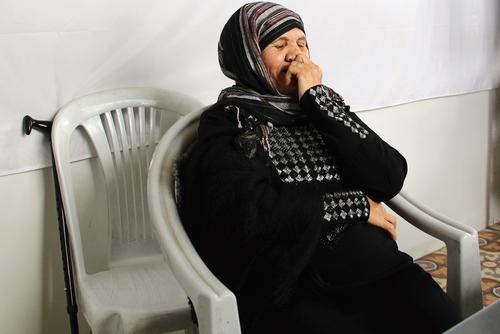
Hajja Hania lost 20 members of her family in one air strike during Protective Edge, in Gaza city MSF clinic waiting for physiotherapy session.
Palestine

Aiding & Abetting? The Limits of Humanitarian Aid in the Occupied Palestinian Territories

As has been the case for the past 15 years, our presence is our protest in the face of an occupation that has taken on a near-permanent character. While there is no shortage of suffering in Gaza and the West Bank, an international acceptance of the unacceptable is now the deadliest form of the occupation for Palestinians – with no end in sight. Voices from the Field - 7 Jul 2015
 
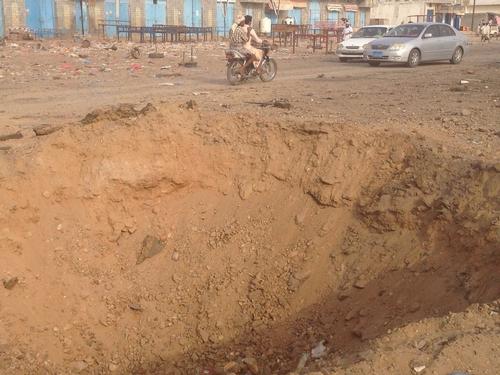
Ahem Market, Yemen.
Yemen

MSF treats dozens wounded after attacks on markets and residential areas

“It is unacceptable that airstrikes take place in highly concentrated civilian areas where people are gathering and going about their daily lives, especially at a time such as Ramadan”, said Colette Gadenne, MSF Head of Mission in Yemen. Press Release - 7 Jul 2015
 
MSF surgeon Dr. Martin John Jarmin III (right) operates on a 20-year-old man at the MSF hospital in Kunduz, Afghanistan, December 1, 2011.  The man had suffered a gunshot wound to the lower chest and upper abdomen and required extensive exploratory surgery, during which a large section of his bowel was removed.  The 55-bed MSF hospital opened in August, 2011 and provides urgent surgical care and follow-up treatment for people who have suffered injuries, some life-threatening. It is the only trauma center of its kind in the region.
Afghanistan

MSF condemns violent armed intrusion in hospital in Kunduz

"We are shocked by this incident," says Dr Bart Janssens, MSF’s Director of Operations. "This serious event puts at risk the lives of thousands of people who rely on the centre for urgent care." Press Release - 3 Jul 2015
 
msf-placeholder
South Sudan

Distressing humanitarian situation in Upper Nile as civilians come under fire in Malakal shooting attack

Following a shooting incident in Malakal, Upper Nile state on 01 July 2015, directed at the Protection of Civilians (PoC) site Médecins Sans Frontières (MSF) received 9 wounded patients, including women and the elderly at its hospital in the PoC. This adds to an already deteriorating humanitarian situation in the state over the last few weeks, which has left the civilian population constantly exposed to episodes of violence, increased numbers of wounded, further displacements, heightening rates of malnutrition and the risk of outbreaks. Statement - 2 Jul 2015
 
msf-placeholder
Libya

The challenge of medical aid

“We had a lot of problems delivering all these drugs and medical supplies,” says Dr. Anne-Marie Pegg, MSF’s head of mission in Libya. “It was a challenge to find an airplane that transports freight to Libya. And then road transport is very dangerous because of the insecurity in both the east and the west.” Voices from the Field - 1 Jul 2015
 
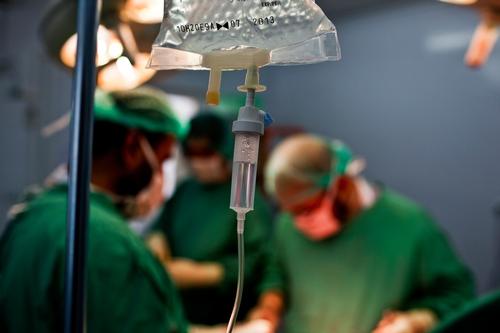
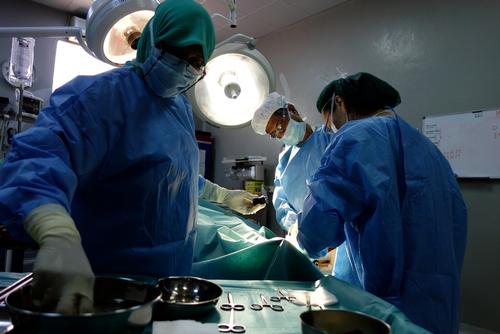
Operating theatre.
Yemen

The crisis in Yemen

First published in the International Activity Report 2015 Report - 1 Jul 2015
 
msf-placeholder
Bosnia-Herzegovina

MSF releases case study that reveals the organisation’s dilemmas to position itself in the face of the Srebrenica events

Twenty years after the events that followed the fall of Srebrenica’s Muslim enclave, Médecins Sans Frontières (MSF) is publishing for the first time the case study ‘MSF and Srebrenica 1993–2003’. Report - 1 Jul 2015
Four mothers posing in a corridor of the Hospital in Bili. All four of them are staying in the hospital with their child, that's suffering from a severe case of malaria. Since the beginning of the project in 2016, the pediatric ward already treated more than 4.000 cases of complicated/severe form of malaria.
Médecins Sans Frontières (MSF)

Independent medical humanitarian assistance

We provide medical assistance to people affected by conflict, epidemics, disasters, or exclusion from healthcare. Our teams are made up of tens of thousands of health professionals, logistic and administrative staff - most of them hired locally. Our actions are guided by medical ethics and the principles of independence and impartiality. We are a non-profit, self-governed, member-based organisation.

Learn more