



3451 Results
 
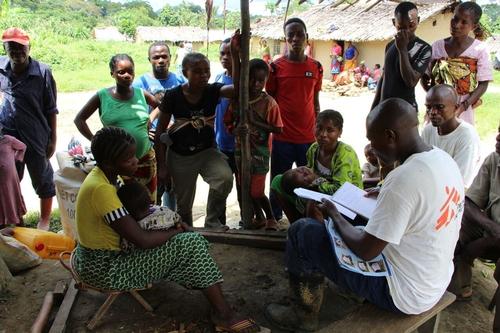
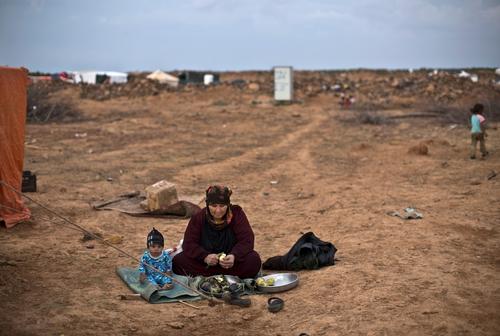
Most people in Lulingu depend on food they grow themselves. After being forced from their homes, they can no longer reach their fields or harvest their crops.
Democratic Republic of Congo

The pendulum of violence

Project Update - 7 Dec 2016
 
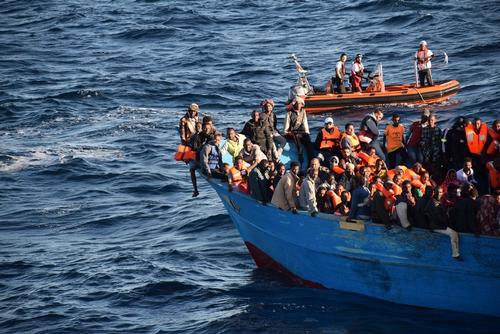
Bourbon Argos and Aquarius crew and Medecins Sans Frontieres (MSF) staff rescue 700 people aboard an overcrowded wooden boat in the Central Mediterranean Sea.
Mediterranean migration

10 things you need to know about the Mediterranean crisis

From the beginning of operations in April until 29 November 2016, MSF directly rescued 19,708 people from overcrowded boats and assisted a further 7,117 people with safe transfer to Italy and medical care. Project Update - 2 Dec 2016
 
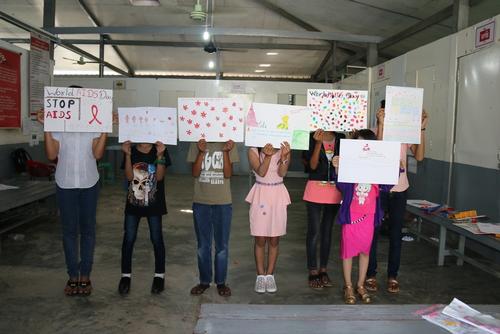
Falling into the gap between child- and adulthood, HIV+ adolescents (defined by WHO as young people between 10-19 years of age) are a particularly vulnerable but often overlooked group in the HIV response – globally, regionally but also often within MSF HIV cohorts. With harrowing results: In Myanmar, MSF’s adolescent patients are almost three times more likely to fail their first line antiretroviral treatment (ART) than their adult counterparts. This result confirms a global negative trend in that age group, which registers a rise in new infections and AIDS-related deaths. More research and attention is needed to make sure HIV care provider and others give HIV+ youth with the support they need, including a treatment and counseling model that is specifically adapted to their needs.
Myanmar

Don't let adolescents with HIV slip away

In Myanmar, adolescents make up around 5 per cent of our total HIV cohort of nearly 35,000 people. Project Update - 29 Nov 2016
 
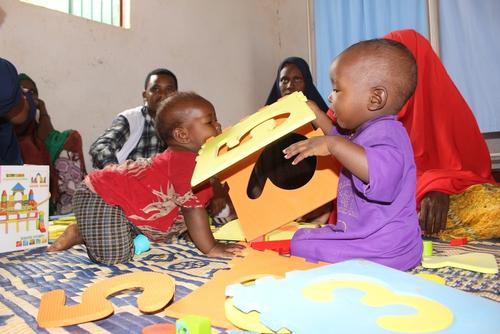
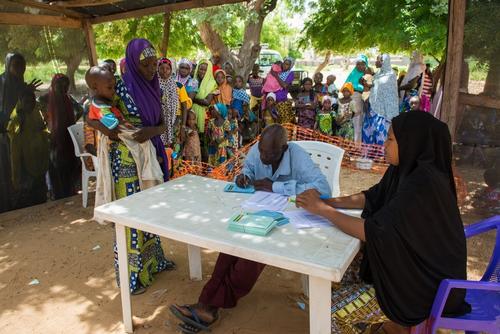
Tripling the number of children admitted while keeping the same level of care... that’s a recurrent challenge for MSF teams in Niger. The rainy season corresponds to the lean season, therefore malaria and malnutrition peak coincides. For children in particular, it is the most difficult period of the year and represents a real fight for survival. 
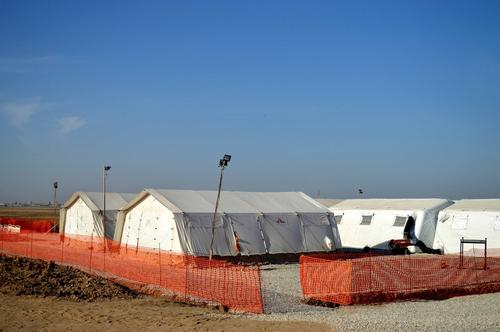
This chronicle crisis is being prepared months in advance. This year, MSF strategy has been to open an autonomous pediatric unit in Dungass, two hours ride from Magaria city. Thanks to this center, the hospital bed capacity for children in the region has been scaled up to 700 beds. The fully functioning hospital, built in a few months on a stretch of sand, successfully managed to function as a buffer during the peak. More than 200 staff, essential medical doctors and nurses, have been recruited and trained. 
In September 2016 only, about 2500 children were admitted in MSF supported hospitals of Magaria region.
Niger

Sharp increase in malaria cases in recent months

In Niger, after a significant decline of malaria cases over the last three years, there was an alarming resurgence of the disease this summer. Project Update - 25 Nov 2016
 
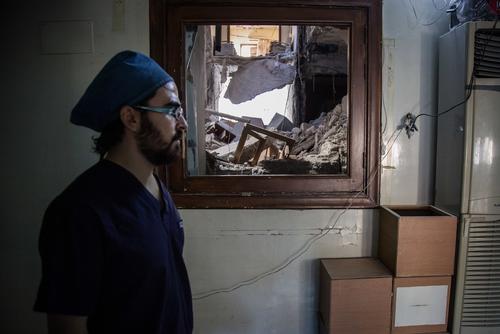
Dr Abu Wasim, a plastic surgeon, stands next to a damaged ward on the upper floors of a hospital in east Aleppo after it was hit by an airstrike in mid-October 2016. He is one of the 7 surgeons left in East Aleppo.
Syria

Multiple direct and indirect hits on hospitals in east Aleppo in the last 48 hours

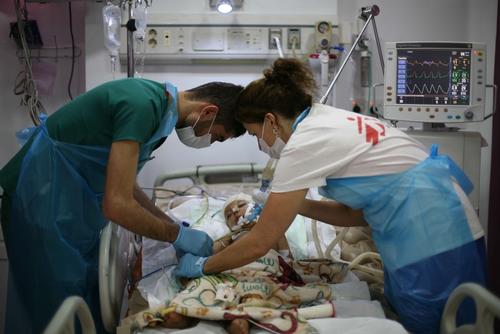
The only specialised paediatric hospital in besieged east Aleppo has come under attack for the second time since airstrikes resumed on 15 November, destroying three floors and leaving it out of service. Three other hospitals have also taken direct hits, resulting in casualties among staff and patients and leaving two key surgical hospitals and the largest general hospital out of service. Project Update - 19 Nov 2016
Four mothers posing in a corridor of the Hospital in Bili. All four of them are staying in the hospital with their child, that's suffering from a severe case of malaria. Since the beginning of the project in 2016, the pediatric ward already treated more than 4.000 cases of complicated/severe form of malaria.
Médecins Sans Frontières (MSF)

Independent medical humanitarian assistance

We provide medical assistance to people affected by conflict, epidemics, disasters, or exclusion from healthcare. Our teams are made up of tens of thousands of health professionals, logistic and administrative staff - most of them hired locally. Our actions are guided by medical ethics and the principles of independence and impartiality. We are a non-profit, self-governed, member-based organisation.

Learn more