



3451 Results
 
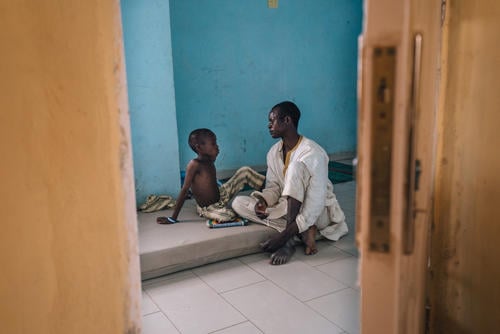
Zahardien Musa, a meningitis patient from Sokoto, being admitted at the Muhammed Murtala Specialist Hospital of Sokoto, with his father.
Nigeria

Fighting the worst meningitis C outbreak since 2008

Thousands of men, women, and children in northern Nigeria have been affected by a meningitis C outbreak, reportedly the largest to hit the country in the past nine years. Project Update - 9 May 2017
 
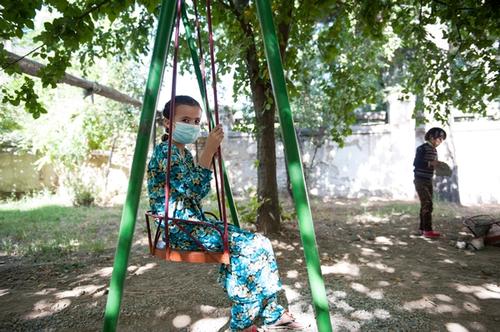
13-year-old Dilbar in the new playground at the paediatric TB hospital in Dushanbe, Tajikistan. The playground was funded by MSF. For young TB patients or family members this is a very welcome distraction in the often long and difficult treatment process.
Tuberculosis

New report highlights need to better tackle world’s deadliest infectious disease

Two days ahead of the G20 summit in Germany, Médecins Sans Frontières (MSF) and the Stop TB Partnership released the third edition of Out of Step, a report highlighting the need for governments to increase efforts to combat tuberculosis (TB). Project Update - 7 May 2017
 
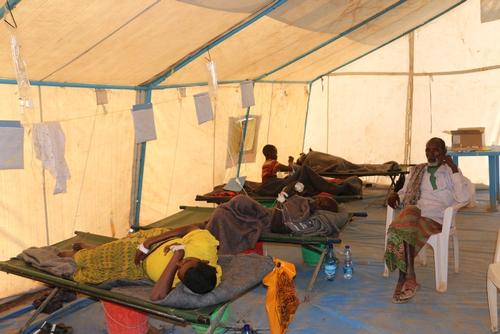
AWD patients admitted to Kebridehar town CTC, Somali region Ethiopia
Ethiopia

Thousands hit by outbreak of acute watery diarrhoea during worst drought for decades

A prolonged period of drought in the Somali Region of Ethiopia has resulted in a radical water shortage, leading to an important outbreak of acute watery diarrhoea which is sweeping through the region. Project Update - 24 Apr 2017
 
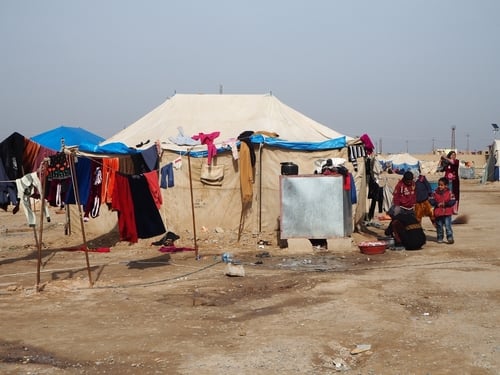
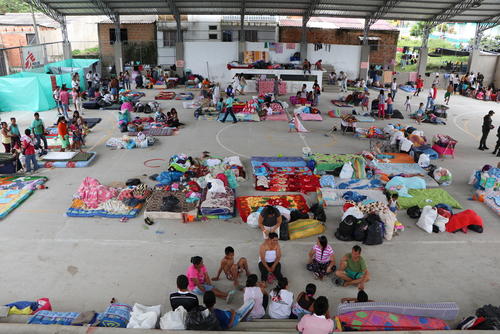
The transit camp in Al-Hajjaj Silo is a site where people undergo security screening before being moved to regular IDP camps or, if they obtain a sponsorship, to be accommodated in the host community. However, several families have lived here for months. MSF brings a weekly mobile clinic with doctors and nurses to the site. The team provide primary health care with special focus on chronic diseases, mother and child care as well as mental health support.
Iraq

“We walked all night, staying away from roads for fear of being caught”

Al Alam camp, near Tikrit, is home to about 8,000 women, children and men who have been displaced from their homes to the north by the ongoing conflict. Project Update - 11 Apr 2017
 
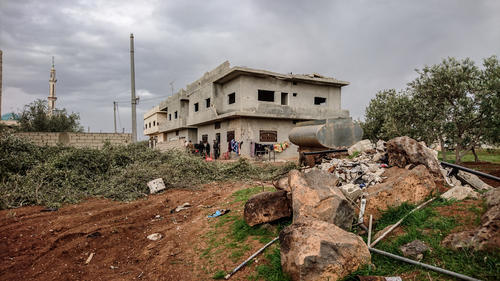
The village of Al Nuaymah was once home to 10,000 people. During the past six years of war, many families left, but without resources or safer options to live, they returned to the village.
 
Virtually the entire town relies on some degree of humanitarian aid for survival. Many structures house more than one family, often with young children. Some have relied on aid for more than five years.
Syria

Instability in the south

MSF recently responded to this crisis with an emergency distribution of 893 kits of essential relief items, distributed to families in two areas. Project Update - 11 Apr 2017
 
MSF provides assistance to the victims of landslides in Mocoa region, Colombia.
Colombia

MSF provides medical and psychosocial assistance to people affected by the landslide in Mocoa

MSF teams are providing psychosocial support and medical care to victims of last weekend’s landslide in Mocoa, Colombia. Project Update - 10 Apr 2017
 
Blood types are identified in the maternity's laboratory.
Iraq

Stabilising emergencies in a pocket of safety

MSF has expanded its activities in the Tal Afar district, northwest of Mosul, where the population has little access to healthcare Project Update - 3 Apr 2017
 
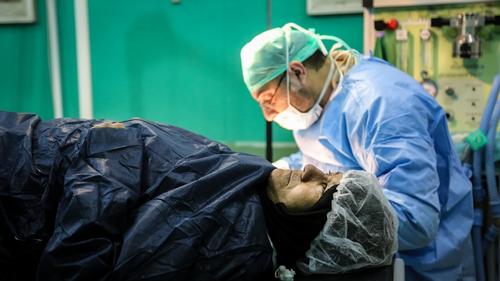
The Al Salamah hospital has become a reference in the area. In 2016, it had 46,337 outpatient consultations, 2,489 inpatient consultations, 26,091 emergency room treatments, 1,933 surgical procedures and there were 578 deliveries. It refers also patients to Turkey.

In the picture, a doctor who is operating an old lady places a sonda in her.
Syria

An obligation to tell the world

This case study illustrates the article: "No eyes on the ground. MSF’s dilemmas of using third party medical data and patient testimonies". Project Update - 30 Mar 2017
 
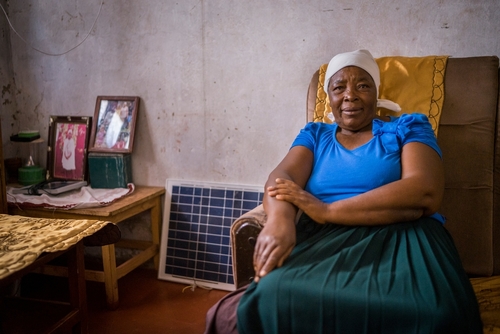
Portrait of 58 year old Magaret at home.

Magaret lives in a very remote village around Chimombe Hospital. During her last VIAC test, in February 2016, nurses discovered less than 75% lesions on her cervix. Right away, they performed cryotherapy to froze these lesions. She has to check again in July to see if the lesions have disappeared.

Testimony taken in March 2017

“My eldest daughter died of cervical cancer and we found out too late because she didn’t tell us.

In February 2016, I heard about the screenings from the nurses at Chimombe rural hospital. Even though I’ve been divorced for eight years and had no symptoms, I decided to have the screening, because they explained I was still at risk. 

On the day of the hospital appointment, I walked for two hours to get there. After the screening, I learned that I had lesions on my cervix. The medical staff asked if they could perform cryotherapy straight away, which treats lesions with the freezing method. 

At first, it was difficult to accept, because I thought I had cancer, but the nurses reassured and counselled me. 

The cryotherapy was a little uncomfortable, but I was determined to have it done. After the treatment, I walked for two hours to get home. I wasn’t in pain or sick from the procedure.

In August 2016, I came back for a follow-up appointment to see if the cryotherapy was successful. They told me I had no lesions anymore. I also had an HIV test, which came back negative, so I don’t have to come back for my next screening for another three years.

I’ve tried convincing my two daughters to have the screening, but they saw their sister die of cervical cancer and are still too scared. They say, ’I’d rather die undiagnosed than screen for cancer.’
Zimbabwe

Preventing cervical cancer

With so many Zimbabwean women missing out on screening and treatment and dying unnecessarily, MSF started working with the health ministry in 2014 to bring preventive screenings to Epworth polyclinic in Harare. Project Update - 28 Mar 2017
 
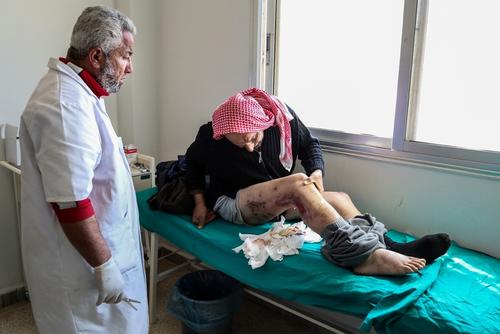
In the picture, a man who suffered a mine explosion is being treated for his wounds by an MSF doctor.
Syria

No eyes on the ground

In its 45-year history, MSF has used its presence in the field and its proximity to patients to bear witness and bring the plight of populations affected by disease, natural disasters and conflicts to the world’s attention. Project Update - 13 Mar 2017
Four mothers posing in a corridor of the Hospital in Bili. All four of them are staying in the hospital with their child, that's suffering from a severe case of malaria. Since the beginning of the project in 2016, the pediatric ward already treated more than 4.000 cases of complicated/severe form of malaria.
Médecins Sans Frontières (MSF)

Independent medical humanitarian assistance

We provide medical assistance to people affected by conflict, epidemics, disasters, or exclusion from healthcare. Our teams are made up of tens of thousands of health professionals, logistic and administrative staff - most of them hired locally. Our actions are guided by medical ethics and the principles of independence and impartiality. We are a non-profit, self-governed, member-based organisation.

Learn more