



3451 Results
 
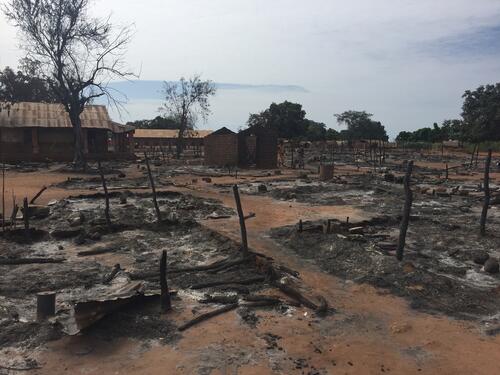
5,000 still displaced in MSF-supported Batangafo Hospital
Central African Republic

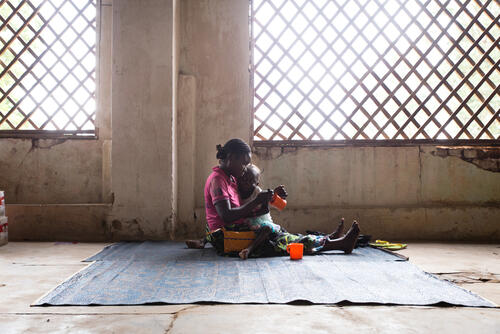
More than 5,000 people sheltering in MSF-supported Batangafo hospital after violent clashes

Fighting between two armed groups in Batangafo, in northern Central African Republic, in late October drove more than 10,000 people to seek shelter in Batangafo hospital, where 5,000 still remain. Project Update - 14 Nov 2018
 
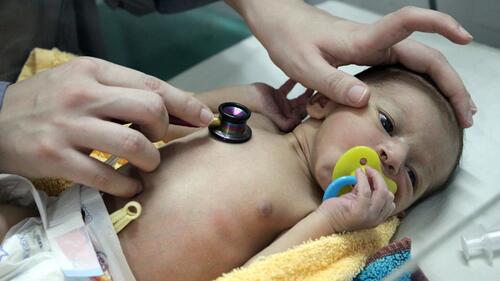
A baby in the New Born Unit (NBU) of Peshawar Women Hospital. The NBU is equipped with warmers, cardiovascular supports in the form of oxygen, intravenous fluids and phototherapy for neonatal jaundice.
Pakistan

Increasing newborn babies' chances of survival

MSF supports maternal and child healthcare services and awareness-raising activities in Peshawar and other areas of Pakistan, which has the highest rate of newborn mortality in the world. Project Update - 8 Nov 2018
 
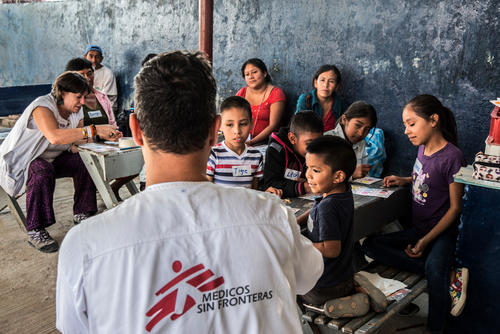
MSF psychologists during a group mental health session for children in a village in Guerrero state. Violence across the region is taking a toll on children’s mental health. In many cases, patients are suffering from night terrors and display aggressive or irritable behaviour. 

ESP Los niños sufren asimismo la violencia y la tensión del ambiente: en muchos casos los niños presentan miedos nocturnos, agresividad o irritabilidad constante.
Mexico

Mobile teams respond to escalating violence and trauma in Guerrero state

As violence escalates in Mexico’s Tierra Caliente region, north and central Guerrero state, we are expanding our mobile teams to provide medical and psychological assistance in more areas more quickly. Project Update - 26 Oct 2018
 
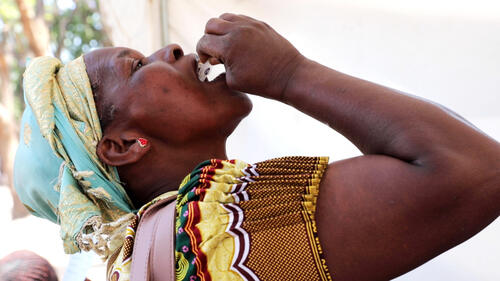
Juliet a resident of Glenview, Harare, the epicenter of the cholera outbreak takes the oral cholera vaccine during the mass vaccination campaign that took place in Glenview, Harare recently. The government of Zimbabwe with support from MSF and other partners rolled out the oral cholera vaccination campaign to protect people from cholera.
Zimbabwe

A collective response to cholera in Harare

MSF is supporting local authorities and mobilising community health clubs to implement a unique combination of emergency responses and longer-term solutions in the face of the country’s second biggest cholera outbreak to date. Project Update - 25 Oct 2018
 
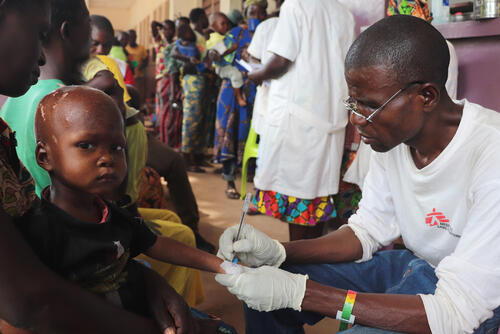
Parfait Dosséli, is a nurse supervisor at Bossangoa’s hospital and he is working in the nutrition department. Every day, he provides treatment to malnourished children. He is pictured here giving intravenous treatment to a child suffering from a form of malnutrition called marasmus.
Central African Republic

With improved access, malaria and malnutrition cases sharply rise in Bossangoa

In Bossangoa, CAR, MSF has seen an increase of malnutrition and malaria cases during the first half of 2018, compared to the same period last year. People have better access to health facilities, meaning more are seeking treatment. Project Update - 12 Oct 2018
 
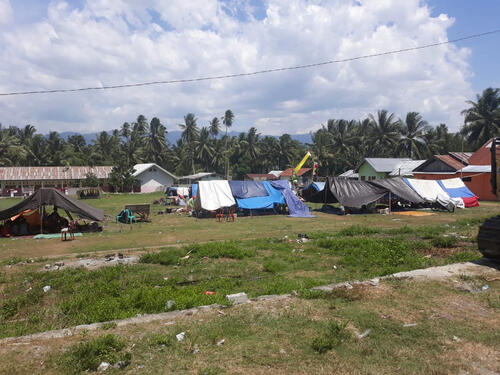
Emergency tents established by the community affected by the 7.7 magnitude earthquake which hit Central Sulawesi on 28 September 2018, in Sigi Regency, Central Sulawesi.
Indonesia

Getting healthcare and safe water to remote areas in Central Sulawesi

An MSF team from Indonesia is helping health centres in remote parts of Central Sulawesi get back on their feet and working to ensure communities have access to safe water, having assessed the medical and humanitarian needs in areas affected by the earthquake and tsunami that hit the island on 28 September. Project Update - 11 Oct 2018
 
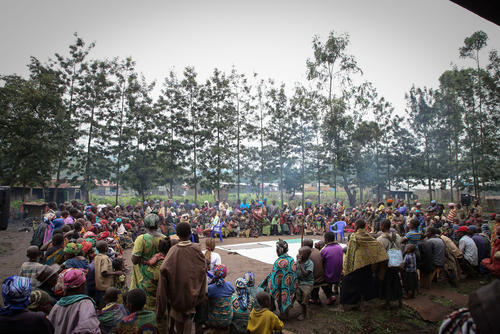
Every week, an MSF team of counsellors and health promoters puts on a play and conducts sensitisation activities with displaced people living outside and inside of Mweso school. Theatre is used as an effective means of health promotion and the performance touches on different themes, among them sexual and domestic violence. The MSF team use theater to present the different healthcare activities that are offered to people in Mweso.
Mental health

World Mental Health Day 2018: Beyond a healthy body

For people who have lived through violence or natural disasters, survival goes beyond ensuring physical well-being. Our professionals are there to provide mental healthcare to help heal our patients' psychological wounds. Project Update - 10 Oct 2018
 
Dans le centre médical de Tshibala (CNTA) les patients ne pouvant se rendre à l'hopital viennent se faire osculter par des médecins MSF. Si les enfants souffrent de malnutrition sévère ils seront ainsi ramenés à la base MSF et hospitalisés.
Democratic Republic of Congo

MSF adapts to changing needs in Greater Kasai region

Since MSF first launched an intervention to respond to the recent crisis in Kasai in May 2017, our teams have established medical projects in a total of five different locations in Kasai and Kasai Central provinces. Project Update - 9 Oct 2018
 
No notes
South Sudan

MSF resumes medical activities in Maban after suspension

MSF has resumed the full range of medical services in Maban, South Sudan, after most of our activities were suspended following a violent attack on our office and compound on 23 July Project Update - 5 Oct 2018
 
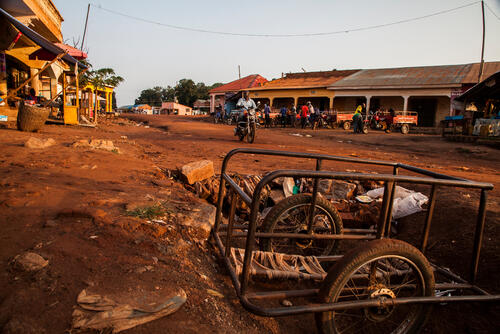
The main street in Yambio Town
South Sudan

Helping Yambio’s demobilised child soldiers come to terms with their past

MSF’s mental health support programme helps some of South Sudan’s estimated 19,500 former child soldiers come to terms with their experiences as they reintegrate their communities. Project Update - 5 Oct 2018
Four mothers posing in a corridor of the Hospital in Bili. All four of them are staying in the hospital with their child, that's suffering from a severe case of malaria. Since the beginning of the project in 2016, the pediatric ward already treated more than 4.000 cases of complicated/severe form of malaria.
Médecins Sans Frontières (MSF)

Independent medical humanitarian assistance

We provide medical assistance to people affected by conflict, epidemics, disasters, or exclusion from healthcare. Our teams are made up of tens of thousands of health professionals, logistic and administrative staff - most of them hired locally. Our actions are guided by medical ethics and the principles of independence and impartiality. We are a non-profit, self-governed, member-based organisation.

Learn more