



3451 Results
 
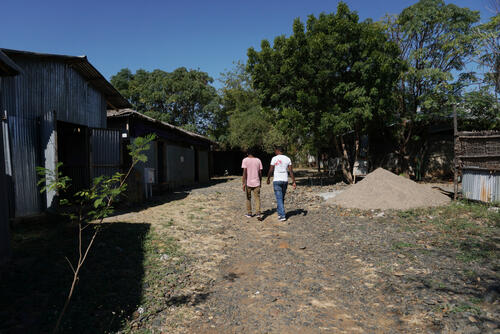
MSF has been working in the Amhara Region of Ethiopia since 1997. Activities started in the hospital in the town of Humera in Tigray region, on the border to Sudan, and in 2003 shifted to nearby farming town in Amhara region. The focus of MSF in the region is the treatment, diagnosis and prevention of kala azar and snakebite - two neglected tropical diseases. In the area MSF mostly treated migrant workers, who work barefoot on the vast farms during harvest season in one of the most fertile regions in northern Ethiopia. 

In early November, tensions between the national government in Addis Ababa and the northern region of Tigray escalated into a full-blown military conflict. One month into the conflict, the humanitarian situation continues to deteriorate. 

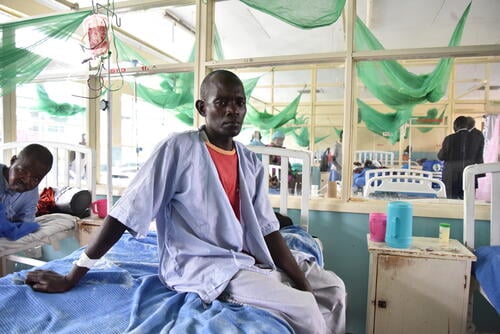
On 5 November 2020, our MSF team in the Amhara region heard shelling and bombing of the first military escalation. They quickly started to support a Ministry of Health-run health centre receiving an influx of war wounded from the border areas. In just a few hours, the team had to switch from our regular medical project activities to emergency medical assistance for treating wounded. Within only a week, our team treated 265 casualties, many of them with severe war injuries.
Ethiopia Tigray crisis

“They saw soldiers and civilians coming in, wounded or dead”

MSF and Ministry of Health staff in Ethiopia’s Amhara region, next to Tigray, treated many people with severe injuries. It deeply affected them. Project Update - 18 Dec 2020
 
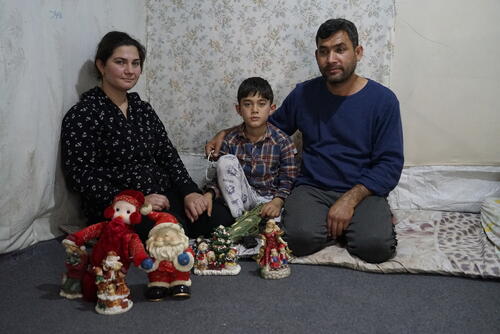
Harin Halil, a mother of two from Syria, is among the most severe patients of MSF in Samos.
“I became more scared in this camp. I was not like that before. I was not well but I wasn’t like now. I could talk, but now I cannot even talk in a normal way. Because of the fear I feel, every once in a while, I have a crisis (panic attack), for example when there is a fight in the camp, and that is happening very often, or when there is a fire in the camp, these incidents affect me a lot. I have deteriorated in here. During the last fire in Samos camp I felt like never left Syria. It was a very traumatic experience for me because the first time when Daesh attacked us, there were bombings and fire, so it reminded me a lot of what I experienced there.”
Greece

Alarming mental health distress among asylum seekers on Greek islands

Four months after the fire that destroyed Moria, 15,000 people are still trapped in inhumane conditions on Greece's islands. Project Update - 17 Dec 2020
 
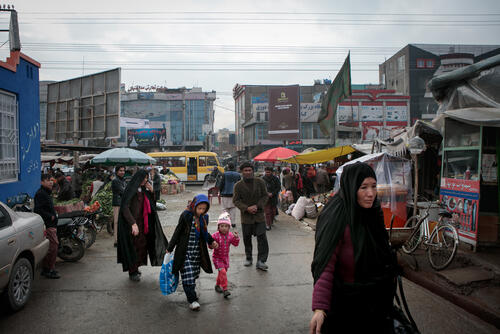
Streets and shops in Dahst-e-Barchi neighborhood.
Afghanistan

Patients face persistent insecurity amid “peace process”

Persistent insecurity remains a near-constant barrier to accessing healthcare in Afghanistan and has increased since the intra-Afghan talks in Doha began. Project Update - 16 Dec 2020
 
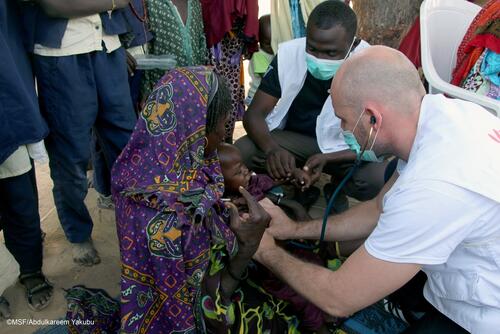
Treating a child during an outreach activity in Maiduguri
Nigeria

Extra-long malaria season in Borno claims lives

MSF teams in Nigeria’s Borno state have witnessed a spike in malaria cases, even into the dry season. Project Update - 14 Dec 2020
 
Lantana is an orphan, and is here with his grandmother in MSF Shinkafi hospital,in the paediatric ward of Shinkafi hospital, Zamfara state, northwest Nigeria.
Nigeria

Killings, looting and abductions in Zamfara state

People in Nigeria’s Zamfara state face daily violence and attacks and struggle to find food, water, shelter and basic items. MSF calls for assistance. Project Update - 9 Dec 2020
 
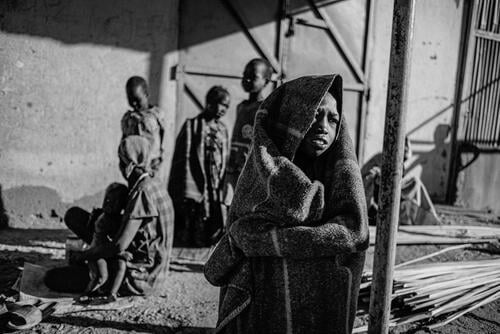
Families seeking shelter in abandoned shops and factories in Bentiu town, in South Sudan. January 2020.
South Sudan

Fear of violence, poor living conditions in South Sudan’s largest displacement camp

People in South Sudan's Bentiu Protection of Civilian's site fear regional violence and worry that the UN mission's withdrawal will leave them unprotected. Project Update - 3 Dec 2020
 
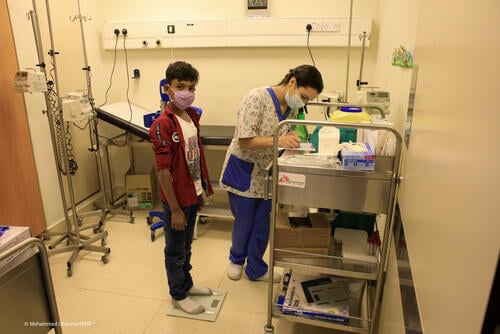
MSF staff prepare to begin a blood transfusion for a child patient with thalassemia.
Lebanon

Saving the lives of children with thalassaemia in Lebanon

Thalassemia is a blood disorder that requires regular blood transfusions and drugs to treat. In Lebanon, the cost is often prohibitive for refugees and vulnerable people. Project Update - 3 Dec 2020
 
(EN) Benjamin was admitted to the advanced HIV unit of the Centre Hospitalier Universitaire Communautaire (CHUC) in Bangui. He just received a visit from the doctors who are responsible for his care. He has been admitted to the hospital following complications linked to an opportunist infection.

(FR) Benjamin, patient admis à l'unité VIH avancé du Centre Hospitalier Universitaire Communautaire (CHUC) de Bangui, vient d’avoir la visite des médecins qui assurent le suivi de sa prise en charge. Il a été admis suite à des complications liées à une maladie opportuniste.
HIV/AIDS

HIV is in a state of silent crisis in Central African Republic

While CAR has the highest HIV prevalence in West and Central Africa, access to information, early detection, treatment and care remains extremely scarce for people. Project Update - 30 Nov 2020
 
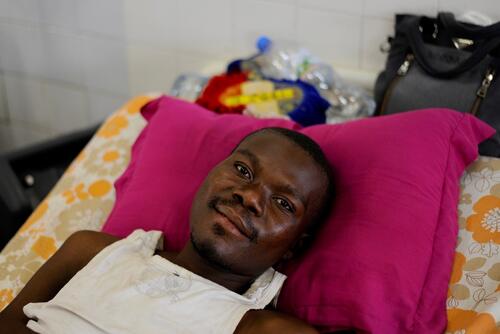
30-year-old Calvin Odhiambo was recently diagnosed with HIV after he fell sick and was admitted at the Homa Bay County Teaching and Referral Hospital. He recovered well and was put on ART.

David was admitted at the HBCTRH after he falling sick. He had cryptococcal meningitis and Karposi Sarcoma – a kind of cancer common among HIV-positive patients who are failing treatment. The KS had affected his left leg as well and he has to walk using supports.
HIV/AIDS

Bending the HIV curve in Kenya's Ndhiwa sub-county

Following the results of a 2012 study on HIV prevalence in Ndhiwa, Kenya a collective effort was launched to drive an improvement in the levels of HIV care. Project Update - 30 Nov 2020
 
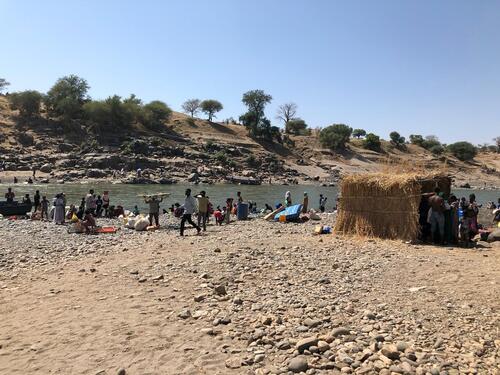
The Hamadayet border crossing, where refugees from Ethiopia cross the river into Sudan. New arrivals take whatever belongings they can carry with them, some have their livestock’s and  others left with nothing.
Ethiopia Tigray crisis

MSF providing medical care and assistance in Sudan to people fleeing violence in Ethiopia

In the wake of fresh conflict in northern Ethiopia, thousands of people have fled north into neighbouring Sudan, where MSF is providing medical care and assistance. Project Update - 27 Nov 2020
Four mothers posing in a corridor of the Hospital in Bili. All four of them are staying in the hospital with their child, that's suffering from a severe case of malaria. Since the beginning of the project in 2016, the pediatric ward already treated more than 4.000 cases of complicated/severe form of malaria.
Médecins Sans Frontières (MSF)

Independent medical humanitarian assistance

We provide medical assistance to people affected by conflict, epidemics, disasters, or exclusion from healthcare. Our teams are made up of tens of thousands of health professionals, logistic and administrative staff - most of them hired locally. Our actions are guided by medical ethics and the principles of independence and impartiality. We are a non-profit, self-governed, member-based organisation.

Learn more