



3451 Results
 
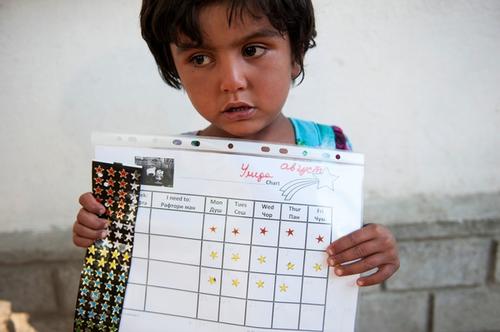
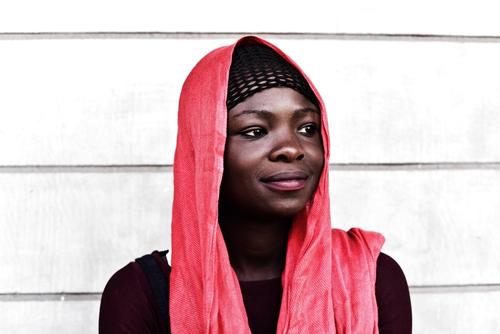
5-year-old Umeda has MDR-TB. Here she holds up her star chart. She gets a sticker every time she takes her medicine properly. Treating young children with MDR-TB can be very difficult and incentives like these are used to help them take the drugs they need during their treatment.
Tuberculosis

Ready, set, slow down: New and promising DR-TB drugs are grabbing headlines but not reaching patients

Fewer than 1,000 people worldwide have been able to access the two new TB drugs – just a fraction of those who desperately need them. Project Update - 23 Mar 2015
 
msf-placeholder
Tuberculosis

Multi-drug resistant tuberculosis: Speeding up research efforts

Ignored for the past fifty years, the needs of patients suffering from tuberculosis are finally being addressed... especially for patients with a multi-drug resistant form of the disease, who can now hope to have access to effective treatments within the next few years. Project Update - 23 Mar 2015
 
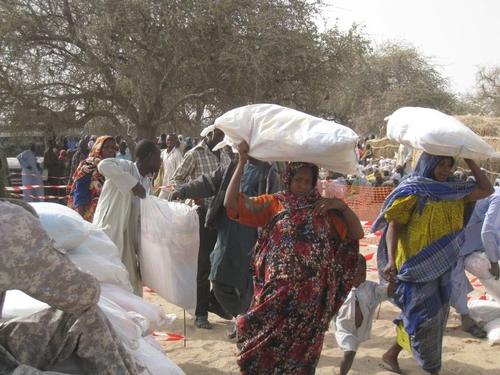
Chad - Distribution of hygiene and shelter kits to people displaced by Boko Haram attacks
Chad

Thousands of Nigerian refugees seek safety

MSF begins activities to assist refugees in the Lake Chad region Project Update - 18 Mar 2015
 
Honduras es considerada uno de los países más peligrosos del mundo, y en la actualidad las consecuencias de salud  que sufren las personas expuestas a la violencia  no son consideradas una emergencia de salud pública. MSF implementa desde el 2011 un proyecto que brinda asistencia médica, psicológica y social para las consecuencias de la violencia, incluida la violencia sexual.

Uno médico y psicóloga de MSF brindan diariamente atención para las consecuencias físicas y de salud mental producida por la violencia, sobretodo después de una agresión sexual. Toda esta atención está asegurada a través de un abordaje multidisciplinario e integrado conocido como “Servicio Prioritario” para responder en un solo lugar las necesidades de una persona y evitar la re-victimización.

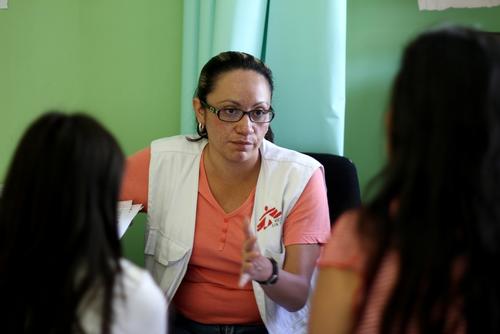
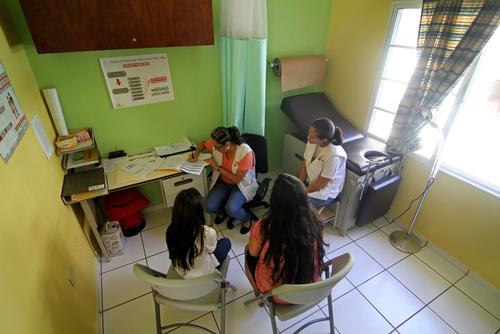
Diana, médico de MSF explica a una adolescente acompañada por su familiar sobre las consecuencias en salud que tiene una agresión sexual. En 2014, el 57% de las personas atendidas por MSF eran personas menores de 18 años.

Honduras is considered as one of the most dangerous countries in the world. Yet, the medical consequences of violence are not considered as a public health emergency. Since 2011, MSF has been providing medical, psychological and social attention to victims of violence, including sexual violence, in the capital of Tegucigalpa. 

An MSF medical doctor and psychologist provide daily medical care to treat the physical and mental health consequences of violence, mostly after a sexual assault. This package of medical attention is available in two of the capital’s health centres and the main public hospital. It is known as the “priority service”, created to respond to the needs of the patient in one single place in order to avoid further exposure and victimization. 

Diana, MSF medical doctor, explains to an adolescent girl, who is accompanied by a family member, the consequences of a sexual assault on health. In 2014, 57 per cent of MSF’s patients were under 18 years of age.

In 2014, Médecins Sans Frontières treated 779 victims of violence including 527 victims of sexual violence, and carried out 1,654 mental health consultations.
Sexual violence

International Women's Day: Surviving sexual violence during adolescence

Survivors of sexual violence can face long-term physical and mental health consequences. Project Update - 5 Mar 2015
 
Honduras es considerada uno de los países más peligrosos del mundo, y en la actualidad las consecuencias de salud  que sufren las personas expuestas a la violencia  no son consideradas una emergencia de salud pública. MSF implementa desde el 2011 un proyecto que brinda asistencia médica, psicológica y social para las consecuencias de la violencia, incluida la violencia sexual.

Diana y Carmen, médico y psicóloga de MSF, brindan diariamente atención para las consecuencias físicas y de salud mental producida por la violencia, sobretodo después de una agresión sexual. Toda esta atención está asegurada a través de un abordaje multidisciplinario e integrado conocido como “Servicio Prioritario” para responder en un solo lugar las necesidades de una persona y evitar la re-victimización.

Honduras is considered as one of the most dangerous countries in the world. Yet, the medical consequences of violence are not considered as a public health emergency. Since 2011, MSF has been providing medical, psychological and social attention to victims of violence, including sexual violence, in the capital of Tegucigalpa. 

Diana and Carmen, MSF medical doctor and psychologist, provide daily medical care to treat the physical and mental health consequences of violence, mostly after a sexual assault. This package of medical attention is available in two of the capital’s health centres and the main public hospital. It is known as the “priority service”, created to respond to the needs of the patient in one single place in order to avoid further exposure and victimization.

Since 2011, Médecins Sans Frontières has offered emergency medical and psychological support to victims of sexual violence in Tegucigalpa, Honduras. In 2014, Médecins Sans Frontières treated 779 victims of violence including 527 victims of sexual violence, and carried out 1,654 mental health consultations.
Honduras

International Women's Day: “It is terrible to see a patient—a 12 year-old girl—who has been abused by five or six m

In Honduras, Médecins Sans Frontières is helping young survivors of sexual violence rebuild their lives. Project Update - 5 Mar 2015
 
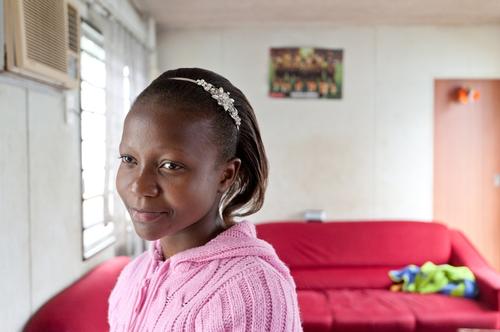
Amahle Mayaya (name changed) is 15 years old. She lost her mother a few years ago from AIDS. She now lives with her aunt. Shortly after her mother passed away, Amahle got ill. She was diagnosed as HIV+ and was put on ARV treatment. She didn’t know why she had to take all those pills every day and asked her aunt (stepmother). The aunt explained it to her, but it was very hard for Amahle. 
Amahle wanted to understand how she got HIV and how her mother got infected. The aunt asked the MSF counsellors for help in disclosing her status to Amahle and explaining the importance of the life long treatment. 
Amahle is now part of the Adolescents Group created by MSF. In the group young HIV+ children receive support and learn to accept their status and to live with HIV. 
Amahle would like to be on a fixed dose combination, where she takes only one pill instead of having to take 5 pills each time. A fixed dose combination exists for adults, but not for children.
HIV/AIDS

International Women's Day: Medical and psychosocial support for teenagers with HIV

Despite the medical progress, teenagers living with HIV continue to face a raft of challenges. Project Update - 4 Mar 2015
 
Chatuley Hospital
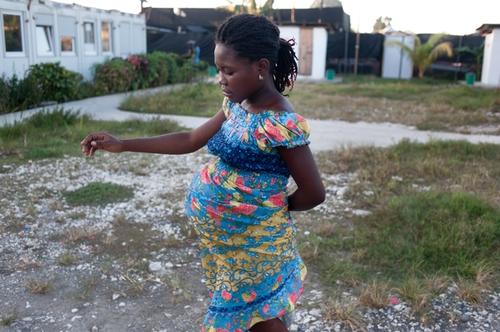
Ermsolida Linot, 17 years old is waiting to give birth.
Women's health

International Women's Day: Early pregnancy poses risks for mother and baby

In many countries where MSF works, pregnancy during adolescence is extremely common – and often unsafe. Project Update - 4 Mar 2015
 
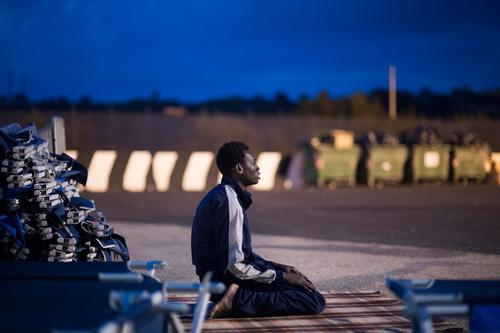
Young man from Gambia prays inside the transit camp of Augusta few hours after being rescued at sea.
Italy

MSF assists migrants and asylum seekers rescued off Sicily

Calls on the EU to review its policies on migration and border control. Project Update - 4 Mar 2015
 
msf-placeholder
Nigeria

International Women's Day: Delivering comprehensive obstetric care for young mothers in Nigeria

eenage pregnancy is the norm in Jahun, Nigeria, leading to high maternal mortality rates. Project Update - 4 Mar 2015
 
Asina

Excerpt from IWD 2015 communications package available on MSF Connect:

Adolescent women often miss out on the family planning they need to plan their pregnancies and their lives. Asina was still in high school when she fell pregnant with her first child in Kibera, a slum settlement in Nairobi, Kenya. She dropped out of school and ran away from home due to the shame she felt around the pregnancy. After coming to the Médecins Sans Frontières clinic for antenatal care and to deliver her baby, she finally received some crucial information about family planning. “I listened carefully and I am now on a three-month contraception method in injection form. It is important to plan myself as the cost of living is high. I cannot afford to raise many children,” says Asina, now 19. 

Médecins Sans Frontières established programmes in Nairobi’s Kibera slum in 1997. The Kibera Project now provides comprehensive outpatient care for HIV, tuberculosis and non-communicable diseases (e.g. hypertension, diabetes, asthma), mother and child care including family planning and maternity services, nutritional diagnosis and treatment, mental health services, and referrals of emergencies.
Kenya

International Women's Day: Negotiating family planning during the teenage years

Adolescent women often miss out on the family planning they need to plan their pregnancies and their lives Project Update - 3 Mar 2015
Four mothers posing in a corridor of the Hospital in Bili. All four of them are staying in the hospital with their child, that's suffering from a severe case of malaria. Since the beginning of the project in 2016, the pediatric ward already treated more than 4.000 cases of complicated/severe form of malaria.
Médecins Sans Frontières (MSF)

Independent medical humanitarian assistance

We provide medical assistance to people affected by conflict, epidemics, disasters, or exclusion from healthcare. Our teams are made up of tens of thousands of health professionals, logistic and administrative staff - most of them hired locally. Our actions are guided by medical ethics and the principles of independence and impartiality. We are a non-profit, self-governed, member-based organisation.

Learn more