



3451 Results
 
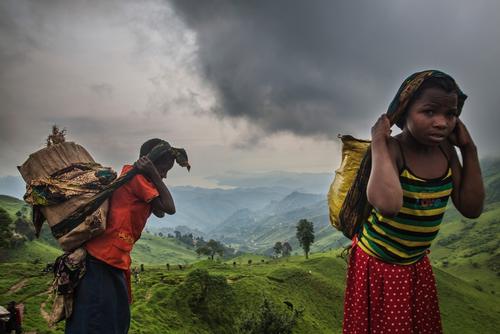
A malaria flare killed dozens in the beginning of 2015 in Ziralo, eastern DRC. Number of cases has not decreased but MSF intervention managed to help decreasing the mortality.
Global

World Malaria Day: five challenges in the fight against the disease

Although the number of cases of and deaths related to malaria has been declining steadily for 15 years, the disease continues to cause more than 400,000 deaths annually, primarily in Africa (90% of deaths) and among children (70% of deaths). Project Update - 25 Apr 2016
 
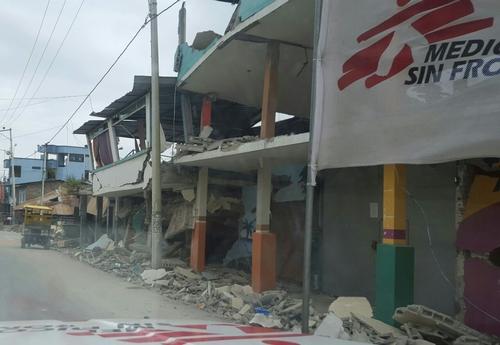
MSF teams currently responding to medical needs in Ecuador following the 7.8 magnitude earthquake which struck the northeast of the country on Saturday, April 16. According to the latest official figures, 525 people were killed in the earthquake.
Ecuador

MSF teams offer psychosocial support, distribute medicines in affected areas

The most acute needs are psychosocial support and donations of water, plastic sheeting and jerry cans for displaced people in shelters in the areas of Muisne, Chamanga and Cabo de San Francisco, in the municipalities of Muisne and Pedernales. MSF will also provide donations of medicines and medical supplies to various health structures in affected zones. Project Update - 22 Apr 2016
 
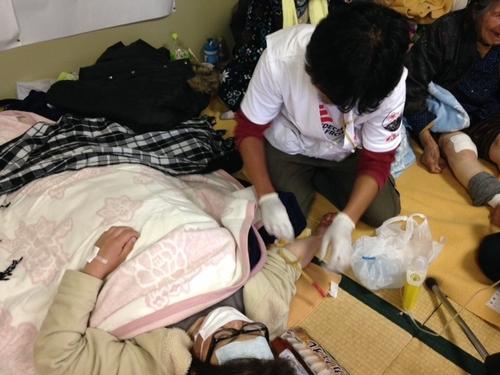
MSF nurse Tomoyuki Hatai is getting ready to administer IV drips in a shelter set up in Hakusui gym in Minami-aso.
Japan

MSF starts medical activities in the area of Minami-aso after Kumamoto Quake

Médecins Sans Frontières (MSF) team travelled to Kumamoto prefecture on 17 April, and identified a severe lack of basic healthcare in Minami-aso village because houses and medical facilities there were severely damaged and people are living in shelters since 14 April. The MSF team working in the area hit by the Kumamoto earthquake is made up of three doctors, three nurses, a pharmacist, a psychologist, a logistician and an administrator. Project Update - 21 Apr 2016
 
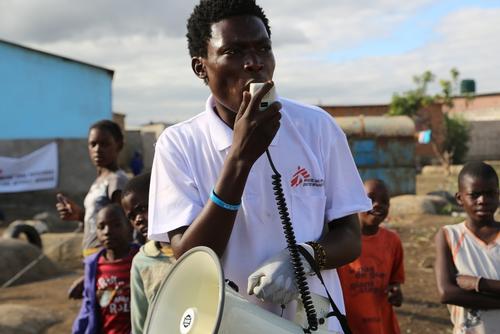
More than forty vaccination sites have been set up in the outskirts of Lusaka. Health promoters and community mobilisers, often volunteers from the neighbourhoods, go from street to streets to telling residents about cholera immunisation campaign and its benefits.
Zambia

Kicking out cholera with a megaphone

Zambians take part in record-breaking cholera prevention campaign Project Update - 21 Apr 2016
 
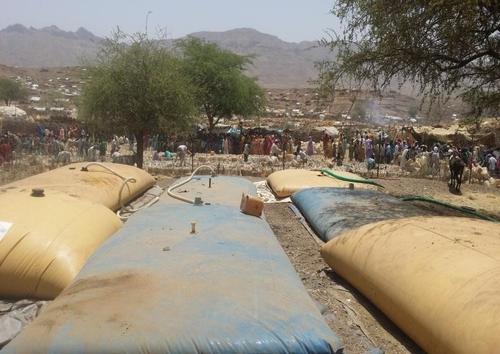
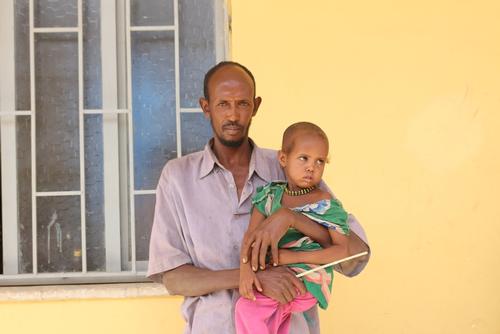
Farah Ateyo travelled 100km to Asbuli  after his heard died and his family needed assistance. Hawa his little girl arrived two weeks prior with acute malnutrition,
Ethiopia

Pastoral communities badly hit by the worst drought in 30 years

“On any given day we can see between 90 and 200 children,” explains Fardowsa Jigre, team leader of an MSF outreach team. “When we see a malnourished child it is a sure sign that the whole family is hungry. But we can only help the most vulnerable. In Siti, the situation is very bad.” Project Update - 21 Apr 2016
 
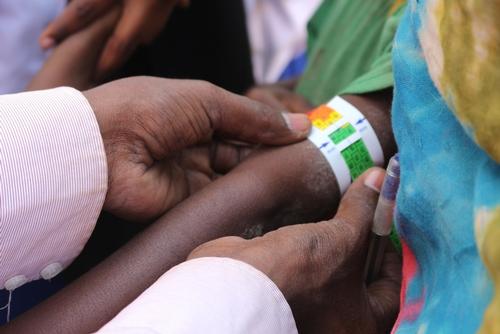
Measuring the childs the wrist for malnutrition.
Ethiopia

Risk of food insecurity

Project Update - 20 Apr 2016
 
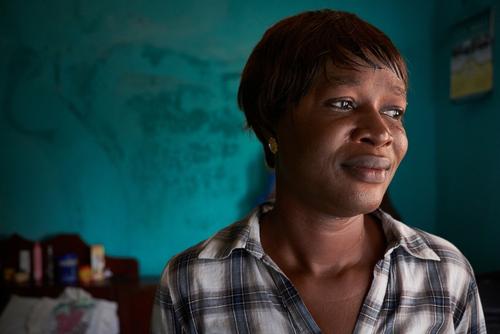
Portrait of Odia at her home in Conakry, Guinea on March 18, 2016. 

"I learnt in 2005 that I was HIV positive when I for a medical checkup. But the first time, it was my father who received the results from my tests and he did not tell me what they were. I returned to the hospital again with a friend of my mother and was tested again. That’s when I learnt I was HIV positive. I was stigmatised by my Aunty at first, today though I don't face problems. I am a counsellor in an MSF treatment centres for those who come for HIV tests."

MSF launched a HIV testing campaign in Conakry with the support of health authorities moving throughout several neighbourhoods throughout 2016.

In Guinea, only one in four people living with HIV are on life-saving antiretroviral treatment. Lack of voluntary HIV testing, estimated at only 5% from the latest study dating from 2012, hampers the necessary increase of people on ART.
HIV/AIDS

7 things you may believe about HIV/AIDS that turn out to be wrong

MSF calls for donors and UN agencies, in particular UNAIDS, the Global Fund, Pepfar and EU donors, as well as affected governments, to develop and implement a fast-track plan to scale-up life-saving antiretroviral treatment for countries where ART coverage reaches less than one-third of the population, particularly in West and Central Africa. Project Update - 19 Apr 2016
 
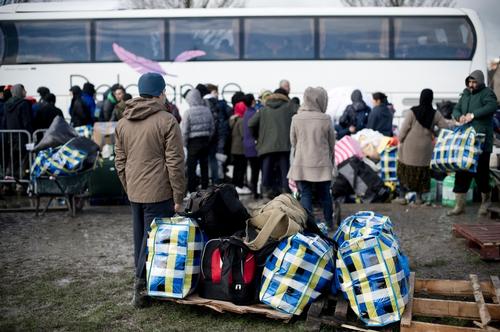
People waiting to take the bus, moving to La Linière, the new camp in Grande Synthe provinding decent living conditions to the refugees.
France

Update on relocation of migrant camp in Dunkirk

Transfer of migrants from the decrepit Basroch "camp of shame" to a new MSF constructed facility took place between 7 and 9 March. Project Update - 13 Apr 2016
Four mothers posing in a corridor of the Hospital in Bili. All four of them are staying in the hospital with their child, that's suffering from a severe case of malaria. Since the beginning of the project in 2016, the pediatric ward already treated more than 4.000 cases of complicated/severe form of malaria.
Médecins Sans Frontières (MSF)

Independent medical humanitarian assistance

We provide medical assistance to people affected by conflict, epidemics, disasters, or exclusion from healthcare. Our teams are made up of tens of thousands of health professionals, logistic and administrative staff - most of them hired locally. Our actions are guided by medical ethics and the principles of independence and impartiality. We are a non-profit, self-governed, member-based organisation.

Learn more