


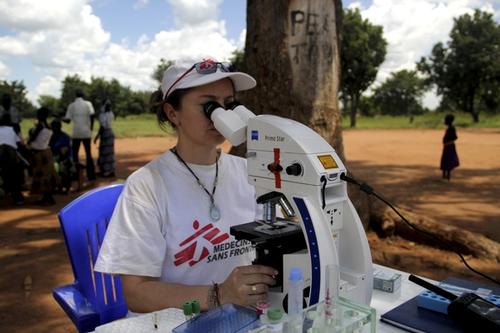
The MSF Scientific Days 2016 took place in London, New Delhi and Johannesburg. Over 11,000 people from 125 countries participated.
Key Messages from the MSF Scientific Days
- Syria – the need to do more, do it better, and be creative in how we work.
- Humanity, relationships, community engagement are central – whether designing technology, running a refugee camp, or delivering HIV care.
- Innovation needs rigorous evaluation and the willingness to "fail forward and learn".
- Choose the right research questions then make sure your findings lead to change.
- Ethics systems in humanitarian settings need work – for both research and innovation.
- Drug resistant infections: challenges of resource-rich world also faced in humanitarian settings – we just often fail to investigate or diagnose them late.
- Hepatitis C is a challenging disease but good treatment outcomes are possible in vulnerable groups as long as access to affordable drugs is maintained
More Information
Take a look at videos, presentations and posters from the days.
MSF Scientific Day
A chance to showcase research, technology and innovation from MSF’s frontline projects
Event
6 May 2015

Yemen
As conflict engulfs Mocha, health workers keep hospital open
Voices from the Field
11 Sep 2026
Sudan
Aid cuts force mass clinic closures across Sudan, leaving millions without healthcare
Press Release
8 Sep 2026