


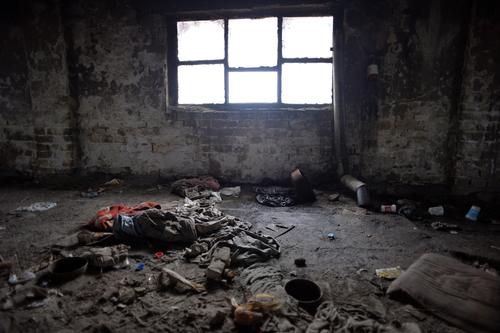
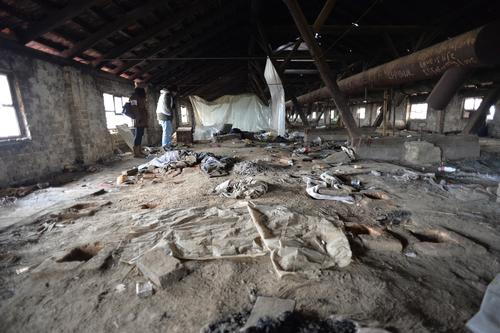
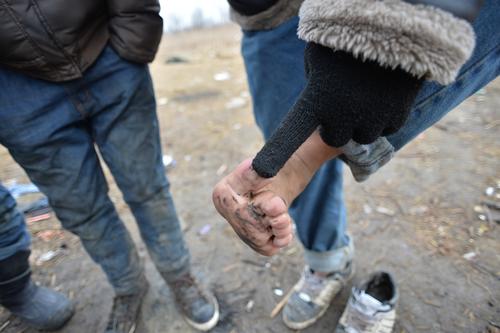
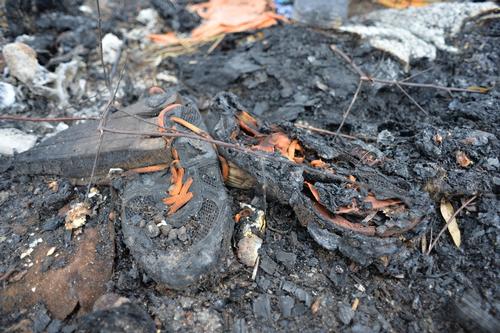
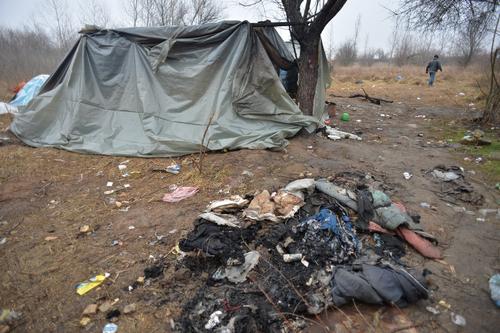
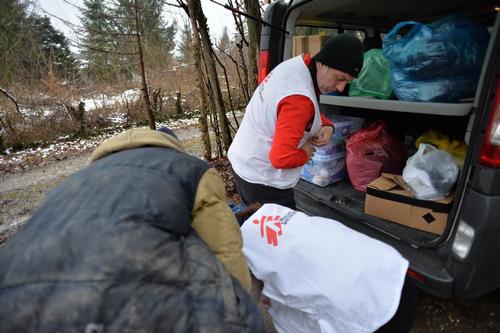
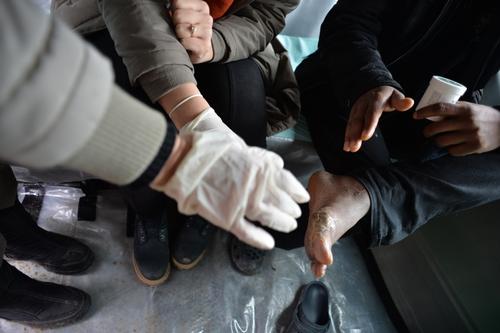
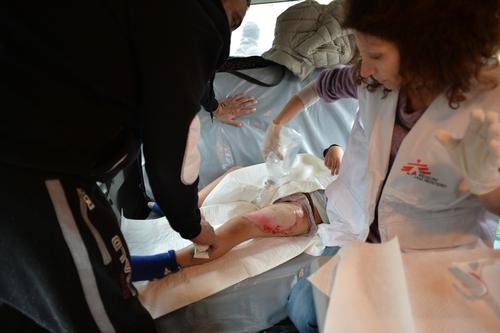
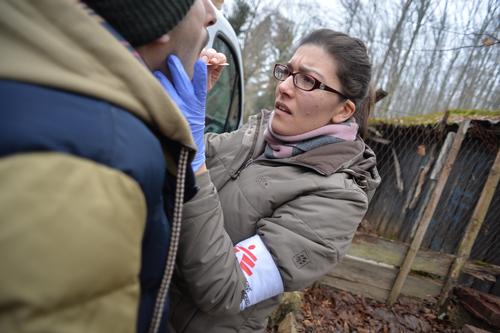
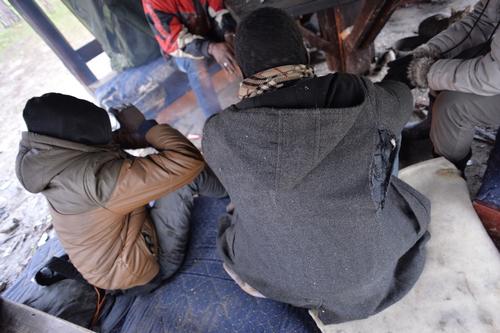
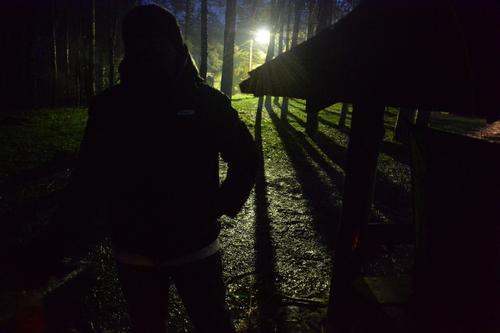
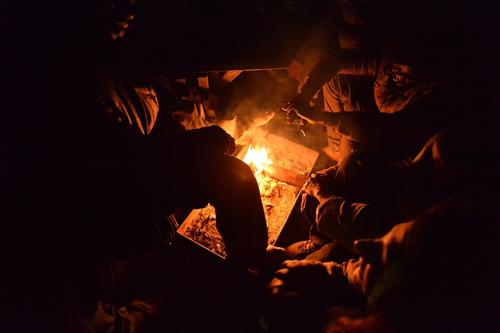
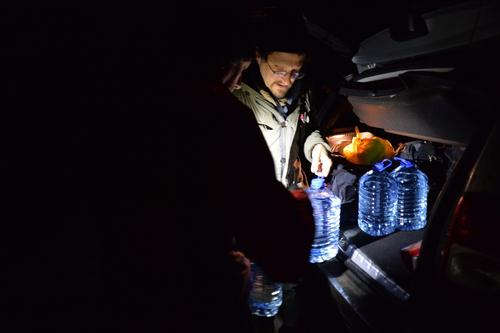
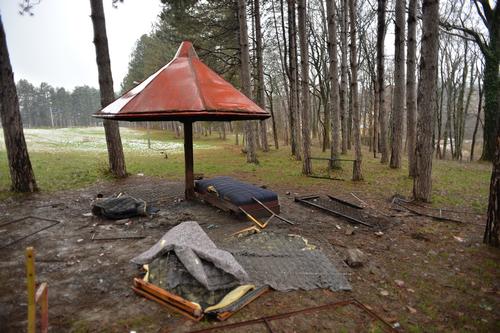
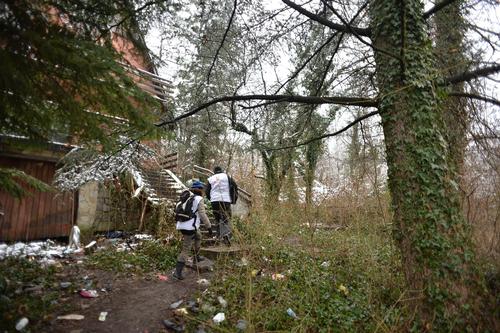
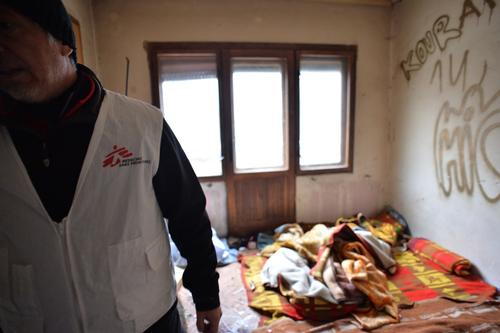
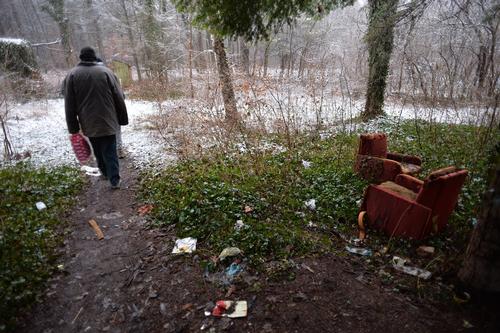
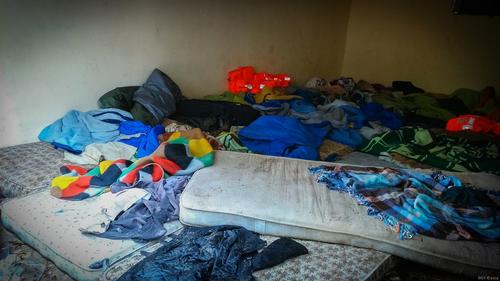
On their journey through the Balkans to seek better protection and assistance in Europe, many asylum seekers, refugees and migrants are stranded in forests and abandoned buildings in Serbia. They struggle through the cold weather without sufficient food or shelter, and have limited access to basic medical care. They are exposed to the risk of criminal networks, physical attacks and robberies. The European Union asylum system has so far failed to offer them aid and protection upon arrival. Not allowed to transit through the EU, they have no choice but to use irregular migration routes to reach safety and protection. Many have already experienced appalling conditions while being detained in Greece and the Former Yugoslav Republic of Macedonia. They are forced to continue this long journey, without knowing where it will end.
Refugees, IDPs and people on the move
MSF calls on European Union to take its responsibility to stop putting migrants’ lives at risk
Press Release
11 Feb 2015
Mediterranean migration
EU and Greece turn their backs on refugees arriving at Greek islands
Press Release
3 Dec 2014