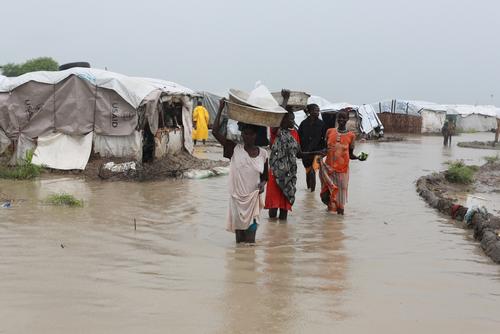
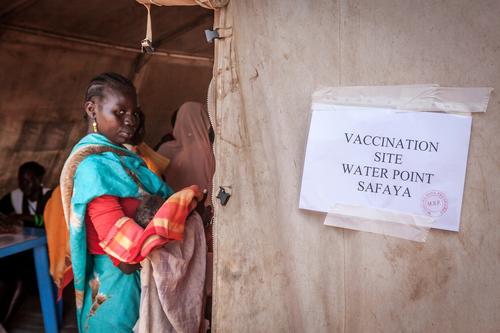
In South Sudan, 40,000 people are crowded into a flooded United Nations Protection of Civilians compound in Bentiu, Unity State. Living conditions are horrific but it is the only refuge they have from widespread armed violence outside. (August 2014)
Crowding, inadequate housing and poor sanitation can increase the risk of respiratory infections and pneumonia. Despite harsh living conditions, forty thousand people took sanctuary in this UN refugee compound in Bentiu, South Sudan. Rainy-season floods increase the risk of pneumonia epidemics in emergencies. 
© MSF

Gallery: Preventing Pneumonia in Emergencies

Crowding, inadequate housing and poor sanitation can increase the risk of respiratory infections and pneumonia. Despite harsh living conditions, forty thousand people took sanctuary in this UN refugee compound in Bentiu, South Sudan. Rainy-season floods increase the risk of pneumonia epidemics in emergencies. 
© MSF
Ebola disease in DRC: find out how we're responding
Learn more

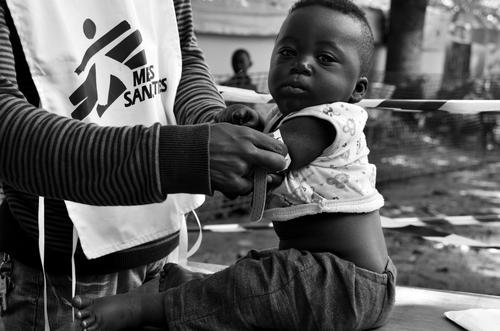
Every year, over one million children die of pneumonia and other respiratory diseases. Over the past few years, some progress has been made in improving access to life-saving vaccines that prevent pneumonia, such as pneumococcal conjugate vaccine (PCV) and Haemophilus Influenzae Type B-containing vaccine (Hib). However in emergency contexts - where children are the most at risk because of deteriorated living conditions – accessing the PCV vaccine is a challenge due to high prices and lengthy processes to secure adequate supplies. 

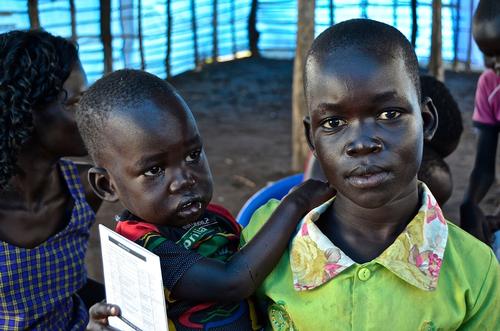
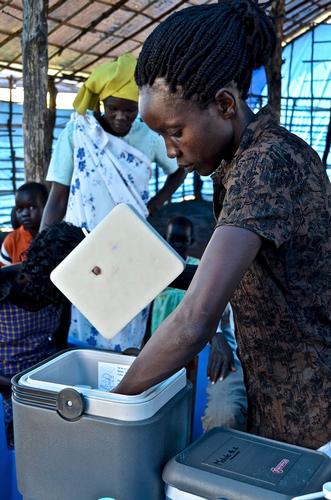
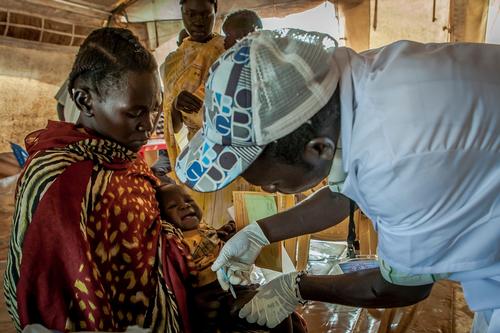
Despite the high prices and logistical difficulties, MSF has now carried out PCV vaccinations in emergency contexts in the Central African Republic, South Sudan and Uganda. We urgently need easier access to the pneumonia vaccine to reduce child mortality in other emergencies.