Read the policies, reports, and plans on how we address issues like racism and reduce our carbon footprint, ensuring our actions align with the highest ethical standards.
In more than 70 countries, Médecins Sans Frontières provides medical humanitarian assistance to save lives and ease the suffering of people in crisis situations.
MSF Access pushes for access to, and the development of, life-saving and life-prolonging medicines, diagnostic tests and vaccines for people in our programmes and beyond.
Based in Paris, CRASH conducts and directs studies and analysis of MSF actions. They participate in internal training sessions and assessment missions in the field.
Based in Geneva, UREPH (or Research Unit) aims to improve the way MSF projects are implemented in the field and to participate in critical thinking on humanitarian and medical action.
Based in Brussels, MSF Analysis intends to stimulate reflection and debate on humanitarian topics organised around the themes of migration, refugees, aid access, health policy and the environment in which aid operates.
This logistical and supply centre in Brussels provides storage of and delivers medical equipment, logistics and drugs for international purchases for MSF missions.
This supply and logistics centre in Bordeaux, France, provides warehousing and delivery of medical equipment, logistics and drugs for international purchases for MSF missions.
This logistical centre in Amsterdam purchases, tests, and stores equipment including vehicles, communications material, power supplies, water-processing facilities and nutritional supplements.
BRAMU specialises in neglected tropical diseases, such as dengue and Chagas, and other infectious diseases. This medical unit is based in Rio de Janeiro, Brazil.
Our medical guidelines are based on scientific data collected from MSF’s experiences, the World Health Organization (WHO), other renowned international medical institutions, and medical and scientific journals.
Providing epidemiological expertise to underpin our operations, conducting research and training to support our goal of providing medical aid in areas where people are affected by conflict, epidemics, disasters, or excluded from health care.
Evaluation Units have been established in Vienna, Stockholm, and Paris, assessing the potential and limitations of medical humanitarian action, thereby enhancing the effectiveness of our medical humanitarian work.
MSF works with LGBTQI+ populations in many settings over the last 25-30 years. LGBTQI+ people face healthcare disparities with limited access to care and higher disease rates than the general population.
The Luxembourg Operational Research (LuxOR) unit coordinates field research projects and operational research training, and provides support for documentation activities and routine data collection.
The MSF Paediatric Days is an event for paediatric field staff, policy makers and academia to exchange ideas, align efforts, inspire and share frontline research to advance urgent paediatric issues of direct concern for the humanitarian field.
The MSF Foundation aims to create a fertile arena for logistics and medical knowledge-sharing to meet the needs of MSF and the humanitarian sector as a whole.
A collaborative, patients’ needs-driven, non-profit drug research and development organisation that is developing new treatments for neglected diseases, founded in 2003 by seven organisations from around the world.
Noma is a preventable and treatable neglected disease, but 90 per cent of people will die within the first two weeks of infection if they do not receive treatment.
The GeoMSF platform is a dynamic one-stop-shop website for all of MSF's GIS related services and products. Access maps and applications through the catalogue, request geographical support, or produce a map on GeoMSF.
On World Mental Health Day, MSF highlights our work in providing people with mental health and psychosocial support after experiencing crisis or conflict. With mental health services across 49 countries, MSF has built mental health provisions into many of its projects. This gallery of images highlights the people MSF supports across the breadth of countries and contexts in which we work.
Honduras. MSF provides mental healthcare for victims of various types of violence, including kidnapping, extortion, assault, threats and other high-impact violent events in the Honduran capital, Tegucigalpa, and its sister city Comayagüela. MSF’s mental health teams provide individual sessions, group sessions and activities such as psychosocial workshops.
Fernando Reyes/MSF
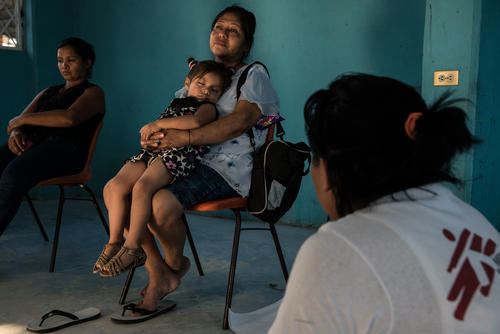
March 2017 – A woman rests with her granddaughter during an MSF support session for women in a shelter for migrants in Tenosique, Mexico. According to an MSF survey, nearly one-third of women migrating through Mexico suffer sexual abuse.
Marta Soszynska/MSF
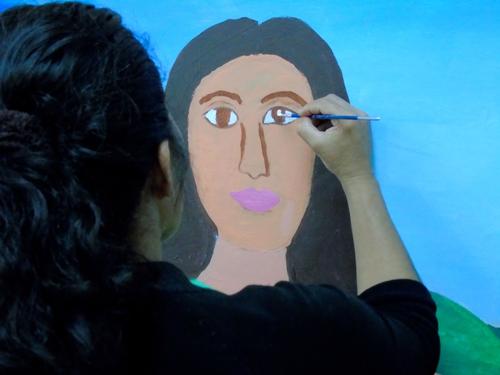
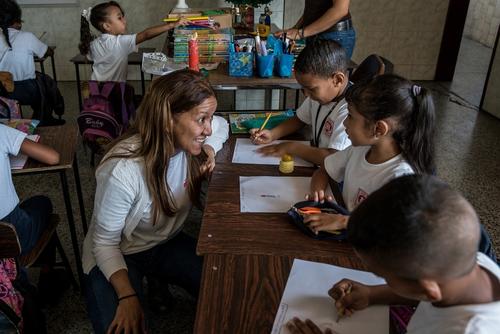
Venezuela. MSF psychologist Suhail Izaguirre works with preschool children on self-expression and managing emotions. During this day´s session, the 6-year-old pupils were asked to draw how they imagine “fear” and “happiness”.
Marta Soszynska/MSF
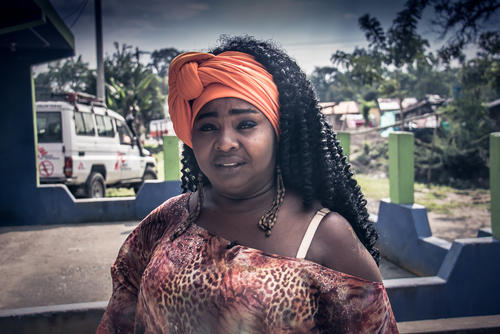
Colombia. La Negra Ardiente (The Burning Black, her nom de guerre) is a community organiser in Tumaco, and a victim of the violence that was an everyday part of life there for many years. As an adult she was abused, beaten and raped. This led her to a severe depression and suicidal thoughts. However, with the support of an MSF psychologist, La Negra Ardiente has walked through the darkness and emerged a strong, inspirational woman. She sings about her sorrows and about her new-found strength, and uses her singing to inspire others.
Fabio Basone/MSF
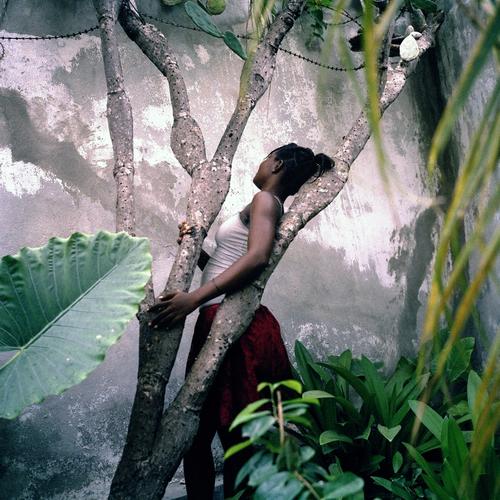
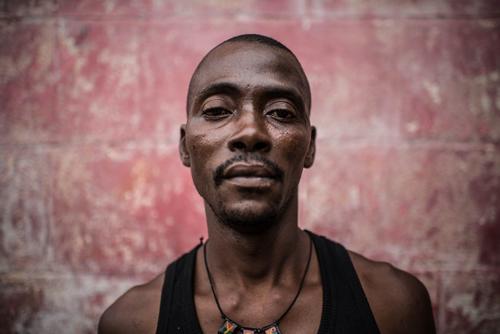
Haiti. Gisele, 20 years old (name changed). My cousin told me that I had bad luck, that something was wrong with me. A friend of my parents said that he was a mason and therefore could help remove the “bad eye”. He took me to an isolated place and asked me to get naked. He touched me and raped me. I told my family what happened. Now he is hiding, and he is under the protection of a women judge. I want justice to be done.
Benedicte Kurzen/Noor
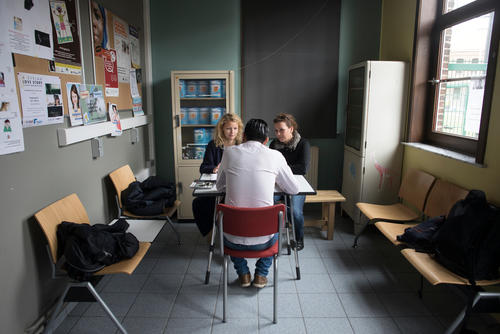
Belgium. Nadia Essalah (Arabic cultural mediator for MSF) and Yamina Marzougui (MSF counsellor) during a counselling chat with Zinati, from Palestine.
Albert Masias/MSF
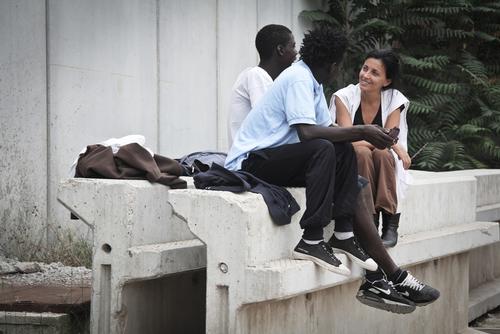
Italy. Lilian Pizzi, MSF psychologist during an emotional support session in a camp next to the Tiburtina area, Rome. MSF provides psychological first aid support to people in transit.
Sara Creta/MSF
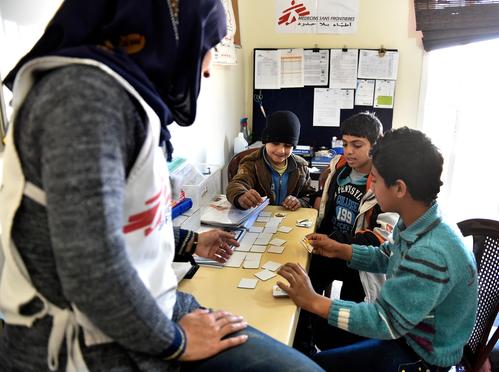
Lebanon. Majdal Anjar, considered one of the poorest regions in Lebanon, is hosting more than 80,000 Syrian refugees since the beginning of the Syrian crisis in 2011. MSF is running a primary health care centre including mental health counselling services to the vulnerable populations.
Abbass Salman/MSF
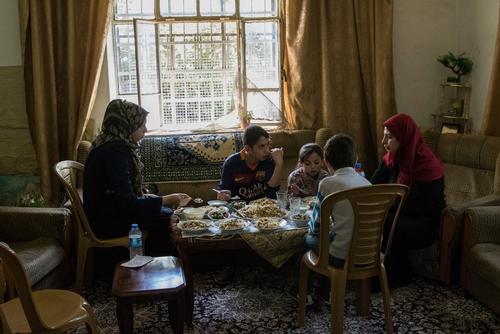
Palestine. Nisreen shares a meal with her four children that she now has to support on her own after losing her husband: Rajhad 18, Younis, 12, Khalid, 7, and Hanan 5. MSF mental health teams assist patients like Nisreen affected by the Israeli-Palestinian conflict.
Anna Surinyach/MSF
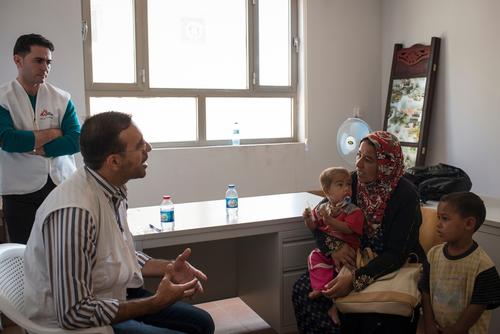
Iraq. Dr Mahmoud Habeb, a psychologist, speaks with his patient and her family at a healthcare facility in Debaga camp outside of Erbil, with mental health activity manager Bilal Budair.)
Monique Jacques
A patient photographed in December 2015 at a primary healthcare clinic in Tehran, the capital of Iran, where MSF runs a number of programmes for people most at risk of infectious diseases such as HIV/AIDS.
Mahsa Ahrabi-Fard
“Life is very difficult for us survivors now. And there is no more work. I’m a workman but now I have no job. The companies I worked for left because of Ebola. I have pain in body and so much money stress.”Ebola survivor Abdul Karim Turay, Sierra Leone.
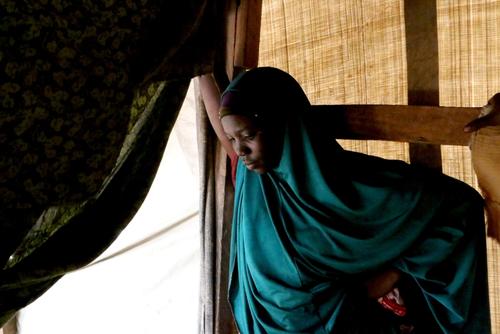
Miriam, 20, in Dar es Salam camp in February 2017. "Everyone was just running," she remembered. "I picked up my two daughters, one on each shoulder, and I started running.”
Sara Creta/MSF
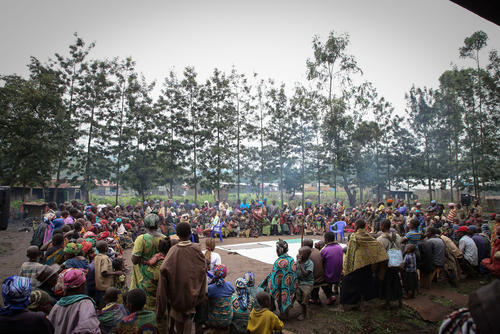
Democratic Republic of Congo. Every week, an MSF team of counsellors and health promoters puts on a play and conducts sensitisation activities with displaced people living outside and inside of Mweso school, North Kivu. Theatre is used as an effective means of health promotion and the performance touches on different themes, among them sexual and domestic violence. The MSF team use theater to present the different healthcare activities that are offered to people in Mweso.
Sara Creta/MSF
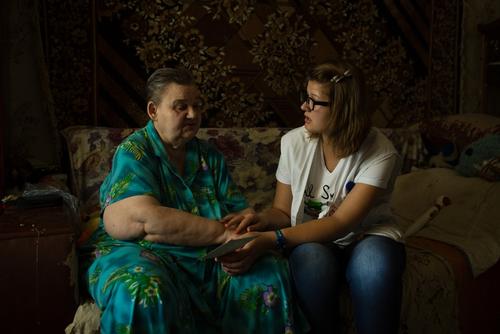
Ukraine. 74 year old Nina of Popasna, Lugansk region of eastern Ukraine speaks with an MSF counsellor. She lives with her 8 year old grandson Nazar; at one point ten members of the extended family shared the small flat. They were displaced from their own homes due to shelling. Nazar remained though, his mother was killed by a shell while fleeing her farm.
Robin Hammond/Noor
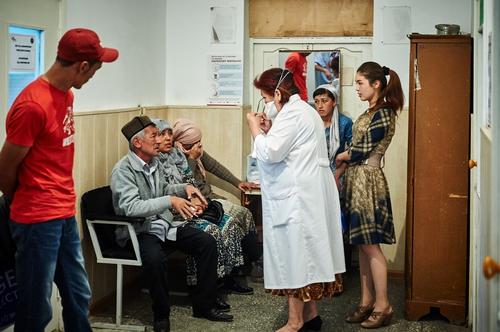
Kyrgyzstan. Chief nurse Ashyrkan Turdusheva speaks with patients waiting for counselling at the tuberculosis (TB) cabinet. Here ambulatory treatment, psychosocial counselling for patients and their families, and social packages (are provided to help patients adhere to TB treatment.
Helmut Wachter/13photo
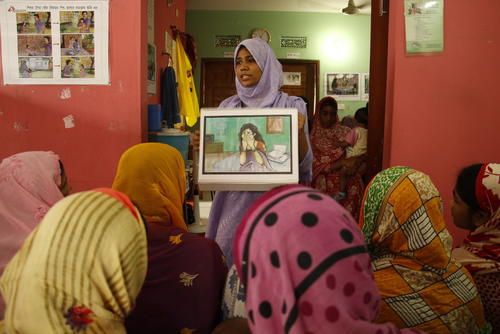
A counsellor gives a talk on sexual violence and intimate partner violence at MSF's women's health clinic in Kamrangirchar slum.
Amber Dowell / MSF/MSF
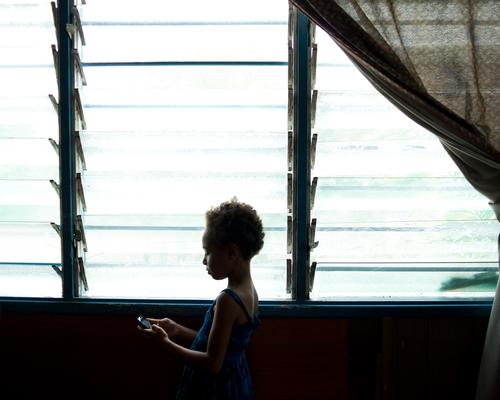
Papua New Guinea. A six year old girl at a safe house in Papua New Guinea. Her mother brought her to the Family Support centre, where MSF provided timely medical and psychosocial care for sexual assault survivors, after she and her two year old sister were raped in their bedroom by a 30 year old neighbour.
Jodi Bieber