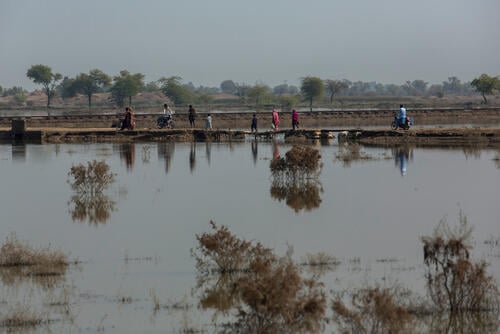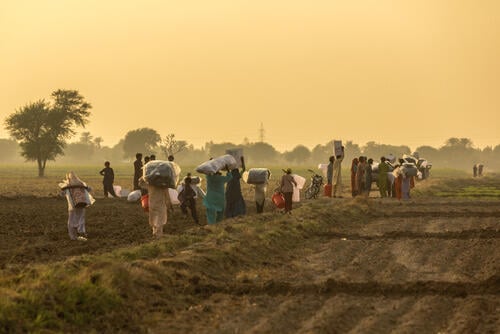
Monsoon rains have plagued Pakistan for months and have become yet more intense in recent weeks, causing widespread damage across the country. Millions of people have lost their homes and are being forced to sleep in makeshift shelters, while many health structures are damaged or not functioning.
Our teams are stepping up support to people affected by the situation and are preparing to intervene quickly in case of outbreaks. We hear from Dr Khalid Elsheikh Ahmedana, MSF deputy operations manager for emergencies, to learn more about the situation on the ground today.
What is the current situation on the ground?
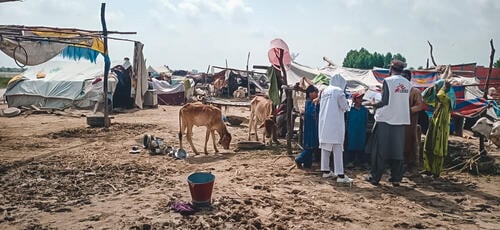
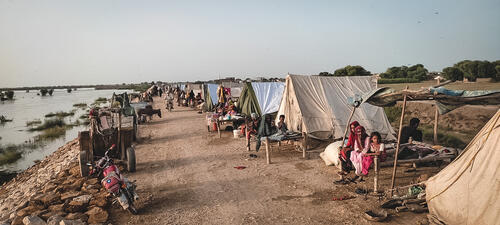
Initial estimates from international organisations indicate that several million people need humanitarian aid. These figures are obviously to be taken with caution, because it is difficult to have an accurate picture of what is happening across the country. But our teams have seen that the needs are immense, with some villages completely underwater. Many people have lost everything and are sleeping in tents by the roadside.
What are MSF teams currently doing in response to the floods?
We intervened quickly after a state of emergency was declared on 26 August. At first, we had around 1,000 MSF staff members in the country, but during a natural disaster of this magnitude, that is not enough.
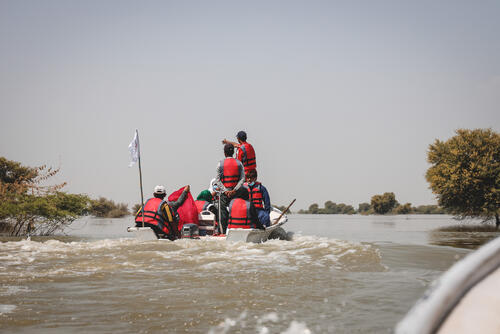
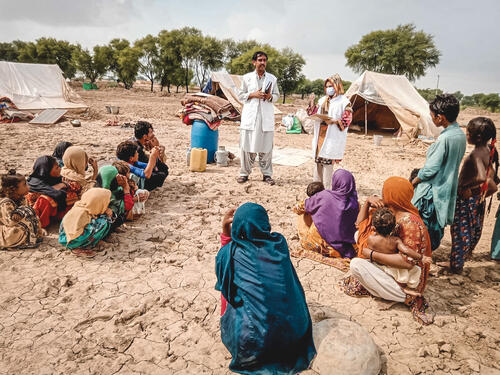
Currently, our teams are travelling to different regions to conduct assessments and start providing care to residents. Our mobile clinics try to bring healthcare as close as possible to those who need it. In addition, our logistics teams are trying to provide drinkable water. We also distribute essential goods, such as soap, hygiene products and cooking tools. We hope to be able to quickly send more material and human resources to ramp up our intervention.
What kind of medical needs do people have?
It is too early to draw clear conclusions. Nevertheless, we know that some diseases endemic to Pakistan could spread due to the deterioration of living conditions and lack of hygiene.
Malaria, for example, could develop due to stagnant water. Those most at risk are children, who are known to be the main victims of malaria. Dengue fever, also transmitted by mosquito bites, is another endemic disease in Pakistan. There are also cases of severe watery diarrhoea, which are a consequence of the floods, because groundwater and water reserves may have been contaminated.
Pathogens, which are organisms that can produce diseases, proliferate in such conditions and if people lack access to safe drinking water and functional latrines, water-borne diseases are likely to spread.
Video
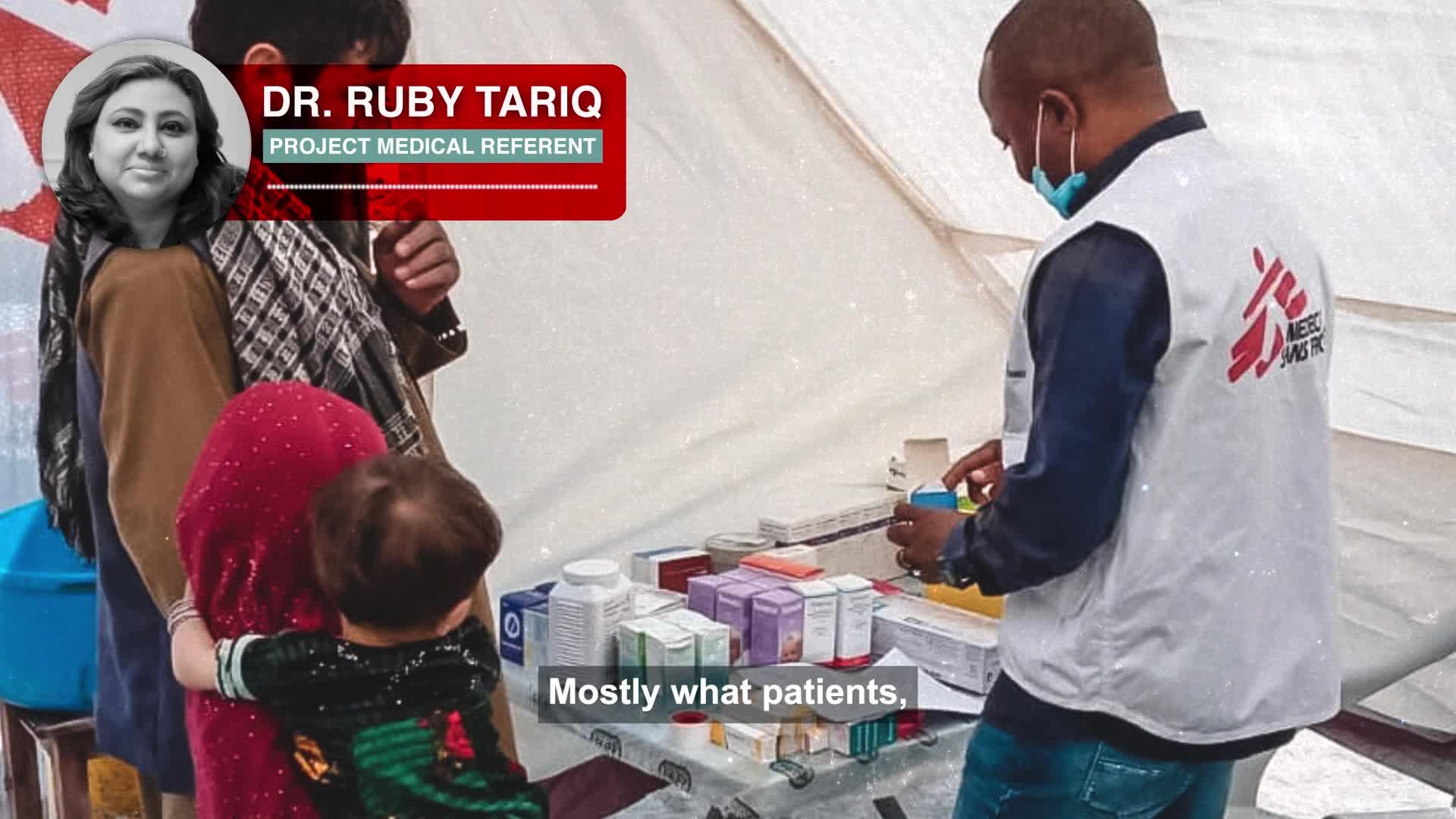
Dr Ruby Tariq on the situation in Pakistan
How are you combatting such diseases?
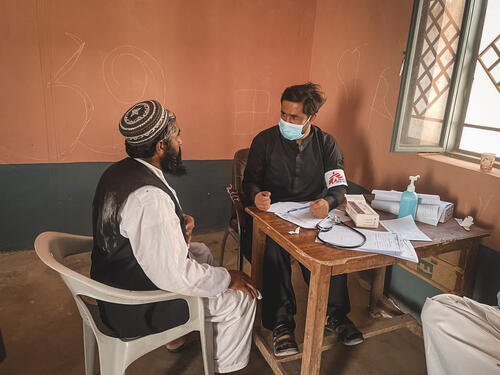
Our teams work to prevent the development of such diseases, by setting up dedicated treatment centres or distributing antimalarials - drugs used for the treatment and prevention of malaria infection. Special attention must also be paid to people with non-communicable diseases, such as diabetes, because in the absence of functional health structures, they could suffer from a loss of continuity of care.
Much depends on more accurate assessments, which our teams are carrying out. For the time being, since the people we meet are mostly displaced and live in makeshift shelters, one of our priorities is to be able to provide access to drinking water and suitable shelters, and to restore better hygienic conditions. These are the most urgent needs.
What are the potential long-term consequences?
The consequences of a natural disaster depend on its magnitude and the number of people affected. Monsoon rains have tripled this year in Pakistan, according to some estimates, and almost a third of the country, with 220 million people, has been submerged.
We must also take into account the destruction of part of the health system, because many structures are damaged and will take time to rebuild. At this stage we cannot predict anything, but we try to be ready to intervene quickly under different scenarios.
For some people in the country, access to food could be a problem for weeks or months to come.Dr Khalid Elsheikh Ahmedana, MSF deputy operations manager for emergencies
These floods are likely to affect people for months. Part of the agricultural fields, crops and food stocks were destroyed by the floods. For some people in the country, access to food could be a problem for weeks or months to come.
Some groups of people are more vulnerable than others, such as pregnant women or children. We have already begun to send therapeutic and nutrient-rich food, which we also use in other areas of intervention. We may or may not need to use it in this context, but it is better to anticipate potential needs, in a situation of this magnitude.