


Ebola disease in DRC: find out how we're responding
Learn more
8000 Results
 
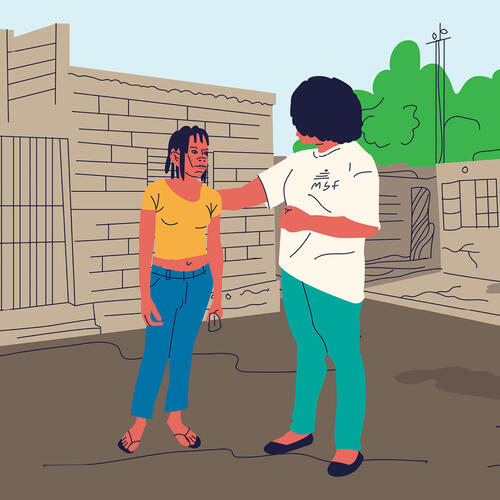
Abortion is a common experience—people of all ages, ethnicities, nationalities, and religions decide to end their pregnancies for various reasons. Yet in many places across the globe, people who have abortions face harmful stereotypes, blame, and social stigma. Doctors Without Borders/Médecins Sans Frontières (MSF) provides safe abortion care and also treats people for the consequences of unsafe abortion, a leading cause of maternal mortality. When our teams talk to people who are deciding to have an abortion, we often hear their personal stories. To mark International Safe Abortion Day, September 28, we want to help break abortion stigma by sharing some first-person stories from women in the places where MSF works. We hear from people all over the world—from Colombia to the Democratic Republic of Congo, Greece to India, people of many religions, students, midwives, people with children, and some without children. MSF is committed to using our voice to ensure that people everywhere have access to safe abortion care. Safe abortion care is essential health care.
Safe abortion care

The evolution of safe abortion care in MSF

A midwife tells her story of the evolution of safe abortion care in MSF over two decades. Voices from the Field - 21 Oct 2022
 
MSF teams have decided to support the local COVID-19 vaccination efforts and have deployed 10 fixed and mobile vaccination teams.
Syria

Cholera spreads across Syria putting vulnerable people at serious risk

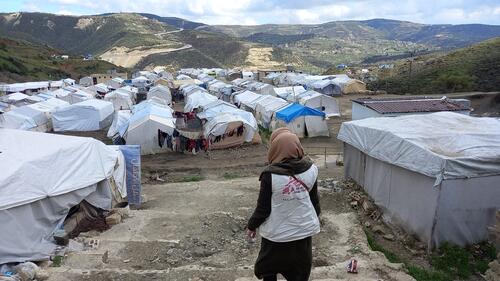
After 15 years of absence, Cholera is spreading across Syria. Our teams are working with local health authorities in the northeast and northwest of the country in response to the outbreak. Project Update - 21 Oct 2022
 
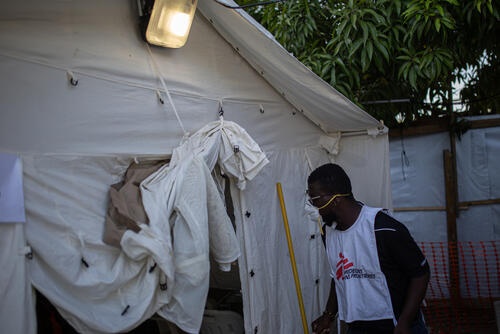
Haiti CTC Turgeau – 
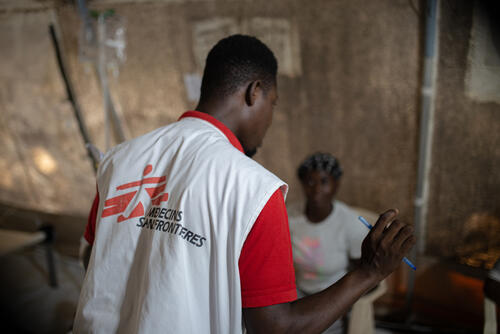
MSF Health Promoter Jose informs patients about cleaning practices to avoid the contagion of the disease. Raising awareness about protective measures is key to prevent the spread of the disease.
Haiti

Haiti on the verge of health disaster

People in Haiti are facing violence, insecurity, severe fuel shortages, the resurgence of cholera, and are struggling to access healthcare. Press Release - 21 Oct 2022
 
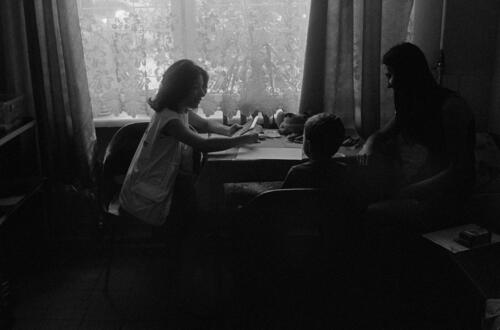
MSF psychologist Marina Popova in session with patients at the shelter for Displaced Persons. Ukraine, Zaporizhzhia, June 2022.
Ukraine

Providing care to displaced people in Dnipro and Zaporizhzhia

Since the beginning of the war in Ukraine, MSF teams have been working in Dnipro and Zaporizhzhia, providing medical care and mental health support to people affected by the war. Project Update - 20 Oct 2022
 
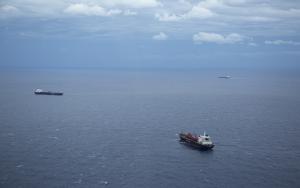
Boats on Mediterranean Sea
Mediterranean migration

Malta instructs rescue ship to take 23 people to Egypt rather than to closer ports in Europe

Following a rescue by a merchant ship in Malta's search and rescue area of the Mediterranean Sea, the country's rescue coordination has ordered the ship to take the survivors to Egypt. Press Release - 19 Oct 2022
 
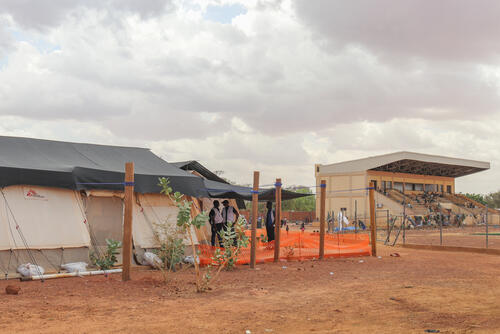
View of mobile clinic run by MSF in the Regional stadium in Kaya, Burkina Faso, that became an open-air camp for people who fled insecurity and violence.
Burkina Faso

Violence and severe supply shortages leave people across Burkina Faso in dire need

As the security situation in Burkina Faso deteriorates, people's access to food, water and healthcare is becoming ever-more limited. Relief efforts need to be ramped up now more than ever. Interview - 17 Oct 2022
 
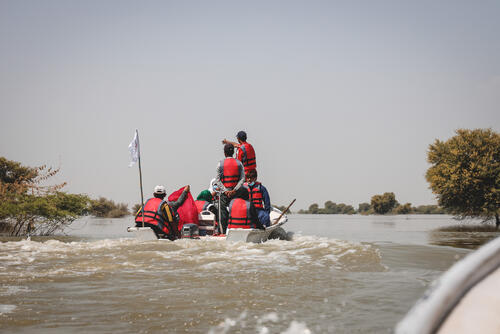
MSF's emergency response team travelling by boat to reach a village in Johi town that is still cut-off by the water. The MSF team has set up a medical camp for flood-affected communities in Johi town, Dadu district.
Pakistan

Seven weeks of emergency response in Pakistan

In the seven weeks since an emergency was declared in Pakistan, following devastating flooding, MSF teams have been responding and assessing needs across the country. Project Update - 14 Oct 2022
 
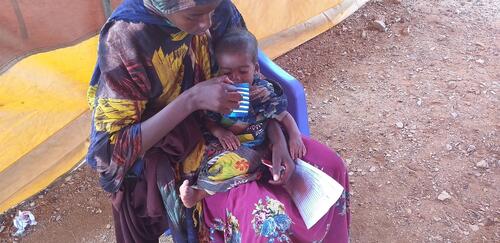
A mother feeds her child using therepeutic food (milk) during her visit to MSF's OTP facility in Shabellow IDP camp, Baidoa
Somalia

An alarming cycle of drought, malnutrition and disease in Baidoa

Here are five things to know about the brutal cycle of drought, malnutrition and disease outbreaks in Baidoa, Somalia. Project Update - 12 Oct 2022
 
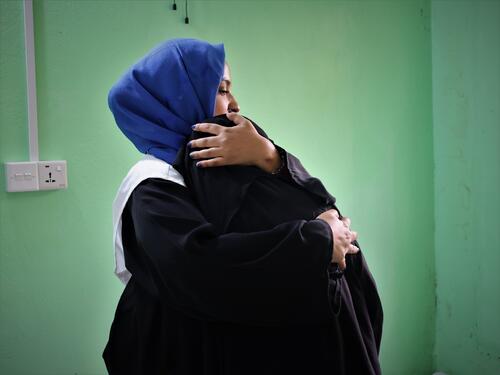
Aura Ramírez, MSF’s mental health activities manager comforting Sanaa*. 
Sanaa*, 30 years old: “I got married when I was very young, I was 14 years old, I didn’t know what marriage was, and a few years later I got pregnant. Since day one I faced a lot of challenges, I left school, and I had a lot of problems with my husband until we divorced. They took my son away from me, and I was not able to see him for 3 years, not even to visit him, nor to contact him by phone. During “Eid” I used to look at the children playing and enjoying their family time, and think about my son, is he happy? Is he safe?
I didn’t know what to do, as a young woman I lacked experience, and I didn’t have any support, I had no one to advise me on how I can take my son back. I used to cry a lot, and had depressive episodes, I felt empty, as if something is missing, and I didn’t know where my son was. I was in a desperate situation. I felt powerless, and never felt safe. Then I learned about MSF services in Hajjah. I came here and they offered me psychological care, and I’m following up with them for 3 months now. Now I feel stronger, they also engaged the Mental health activity manager who learned about my situation with my son. In collaboration with the local authorities, they helped me reunite with my son. They also referred us to other organizations that provided us with shelter and social assistance. Today I’m back to work, and my son is back to school. He understood that I’m his mother despite everything, whatever the situation is. No child should be separated from his mother. 
*Name changed for confidentiality.
Yemen

Rebuilding people's lives in Yemen through mental health support

After years of war and insecurity, our teams in Hajjah, Yemen, are focusing on rebuilding people's lives through comprehensive mental health support. Project Update - 10 Oct 2022
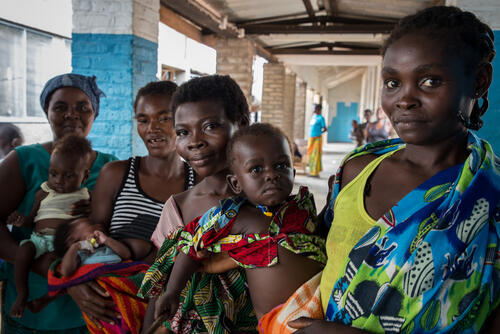
Four mothers posing in a corridor of the Hospital in Bili. All four of them are staying in the hospital with their child, that's suffering from a severe case of malaria. Since the beginning of the project in 2016, the pediatric ward already treated more than 4.000 cases of complicated/severe form of malaria.
Médecins Sans Frontières (MSF)

Independent medical humanitarian assistance

We provide medical assistance to people affected by conflict, epidemics, disasters, or exclusion from healthcare. Our teams are made up of tens of thousands of health professionals, logistic and administrative staff - most of them hired locally. Our actions are guided by medical ethics and the principles of independence and impartiality. We are a non-profit, self-governed, member-based organisation.

Learn more