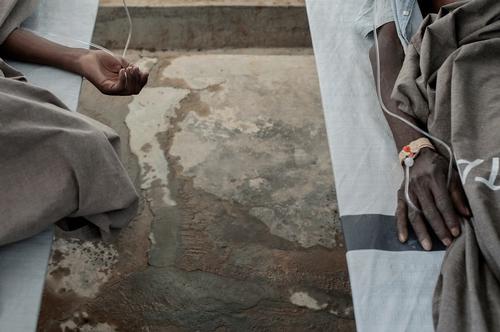
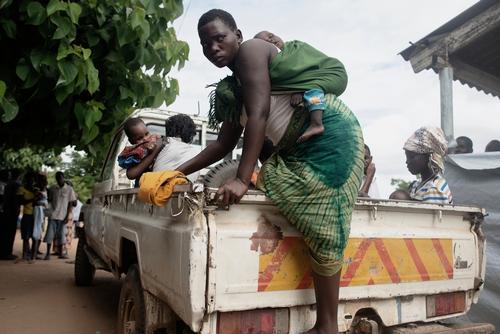
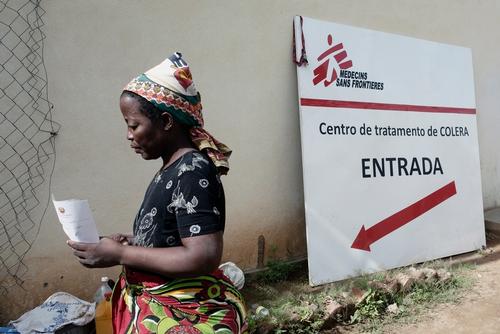
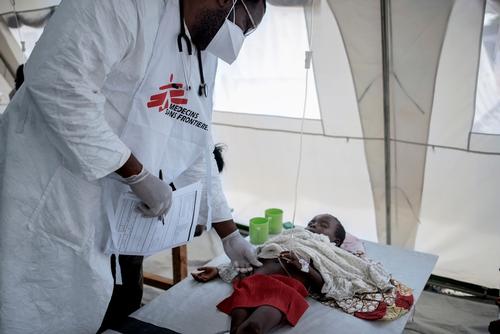
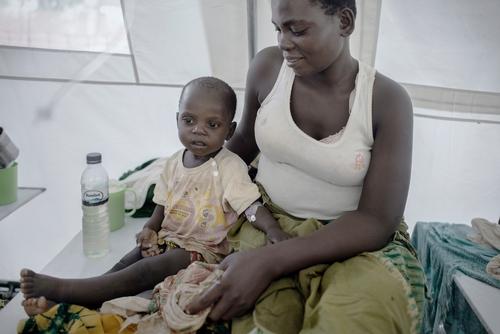
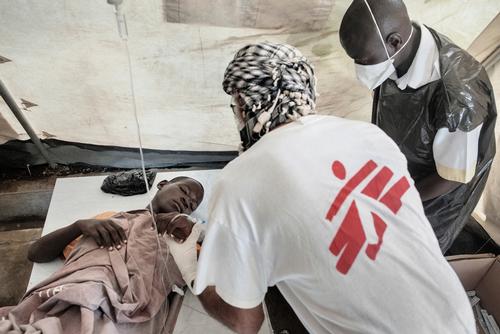
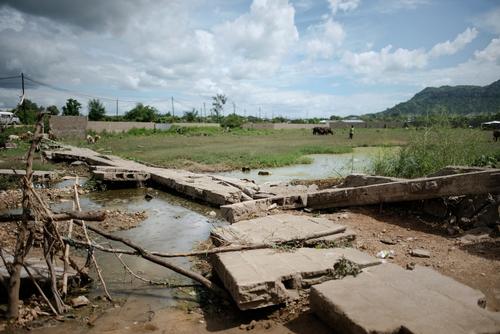
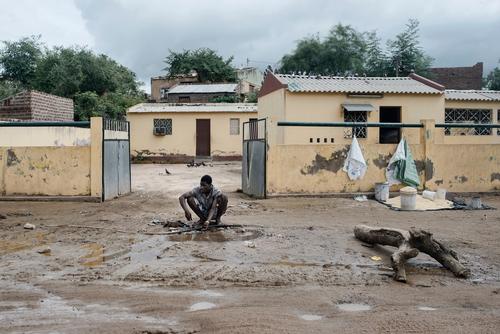
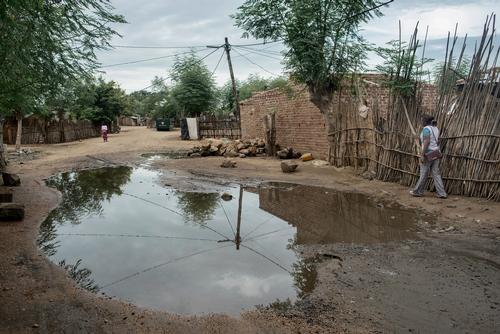
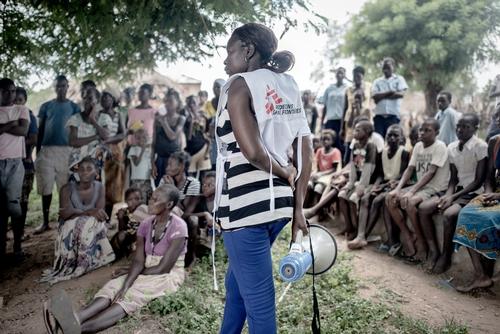
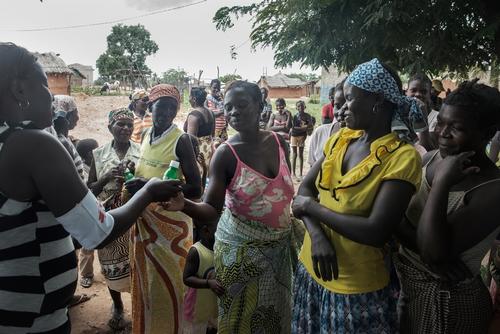
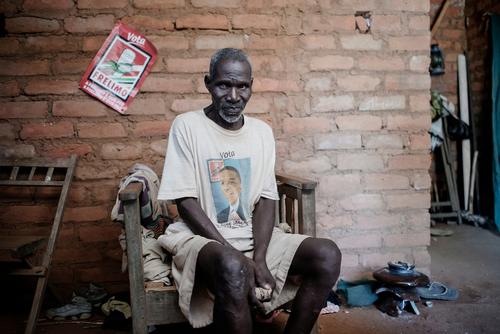
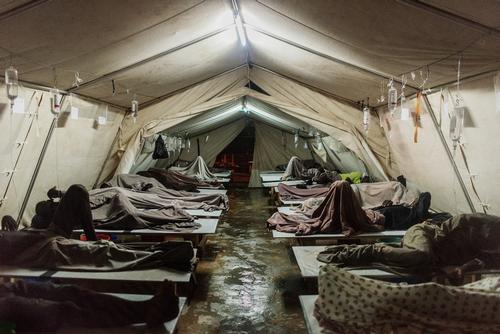
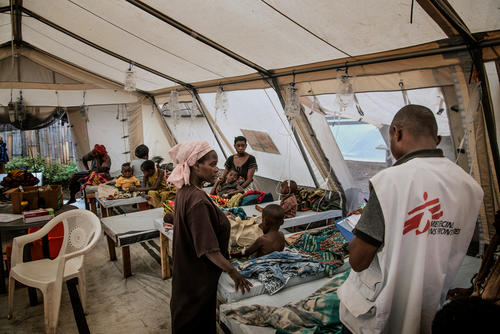
Unidade Chimadzi C, in the Sansao Mutemba Bario, which is one of the most critical areas in Tete for what concerns hygienic conditions and percentage of cholera registered cases.
Heavy rains pounded the region in January, provoking severe floods in nearby Malawi. Outbreaks of cholera, a water-borne disease, usually last one to two months and are stopped by the dry season.
© Luca Sola

Cholera - the water thief

Heavy rains pounded the region in January, provoking severe floods in nearby Malawi. Outbreaks of cholera, a water-borne disease, usually last one to two months and are stopped by the dry season.
© Luca Sola
Ebola disease in DRC: find out how we're responding
Learn more

There are many ways to steal water. Close a tap. Block access to a river. Drain a well. Or, more viciously: steal life out of it.

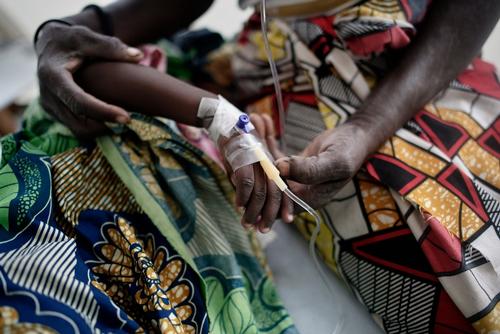
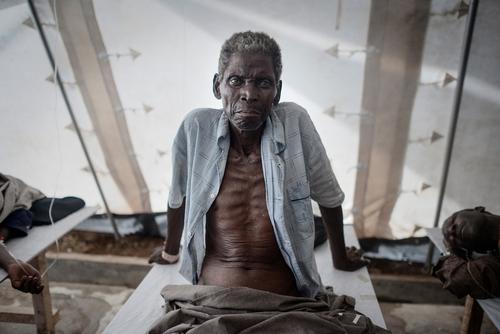
This is what cholera does. It creeps into its victims when they drink or eat, and once inside their bodies it keeps on looting: it siphons water, making it gush out, from vomit and from diarrhea, continuously, relentlessly. In the most extreme cholera cases an adult can lose up to twenty liters of water in just one day. Death is quick to follow.