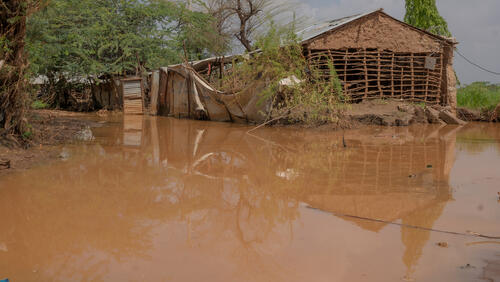
Seasonal forecasts and risk assessments to optimize planning and interventions for anticipated weather impacts
Seasonal preparedness for humanitarians starts with understanding what’s ahead. At its core are seasonal rainfall and temperature forecasts from trusted sources like C3S, IRI, or ICPAC. These forecasts provide an early sense of how the upcoming months may unfold — whether a region is likely to face heavier rains, higher temperatures, or prolonged dry spells.
Building on this, MSF develops health-focused seasonal outlooks that translate climate forecasts into operational insights. These outlooks help teams anticipate potential impacts on health — such as increased malaria transmission, heightened malnutrition risks, or challenges to water supply — and adjust accordingly. With this information, MSF sections and missions can plan targeted interventions, pre-position supplies, reinforce staff capacity, and coordinate with local partners.
Seasonal preparedness helps move us from reacting to crises to getting ahead of them — reducing the impact on affected communities and supporting faster, more efficient responses.
Seasonal Outlooks
HACE provides practical insights into upcoming seasonal weather patterns - through 3-month outlooks - to support MSF teams in their planning and decision-making. These briefings combine recent seasonal trends with forecasts from trusted sources like WMO, Copernicus, and IRI, focusing on expected changes in rainfall and temperature.
They use ensemble models to reflect uncertainty and flag possible regional impacts for humanitarian operations. The briefings also explain key concepts such as the difference between deterministic and probabilistic forecasts, the role of ENSO (like El Niño and La Niña), and how to interpret tercile probability maps.
Additional languages and past seasonal outlooks can be found on the HACE SharePoint Repository. Please contact Léo Tremblay if you have any questions.
Review the Seasonal Outlook User Guide
Seasonal Overviews and Calendars
Seasonal Calendars were created in 2024 as supplementary tools to HACE’s Regional Seasonal Bulletins, to aid field teams in predicting health risks tied to weather patterns. These calendars highlight the seasonality of key hazards like floods and disease outbreaks across specific regions.
Central America & the Caribbean
Preparedness products:
- Seasonal Calendars (Spanish)
- Seasonal Outlooks:
- August to October 2024 (Spanish)
- August to October 2024 (English)

Central Africa
Preparedness products:
- Seasonal Calendar (French)
- Seasonal Overview 2025 (French)
- Seasonal Outlooks:
- March to May 2025 (French)

Eastern Africa
Preparedness products:
- Seasonal Calendars (English)
- Seasonal Outlooks:
- March to May 2025 (English)
- October to December 2024 (English)

Southern Africa
Preparedness products:
- Seasonal Calendars (English)
- Seasonal Outlooks:
- December 2024 to February 2025 (English)

Western Africa
Preparedness products:
- Seasonal Calendars (English)
- Seasonal Outlooks:
- October to December 2024 (English)
