Climate & Environmental Adaptation: Adapting how we deliver healthcare and respond to emergencies to better protect our patients and staff from current and future climate and environmental risks.
Climate and environmental adaptation in MSF is supported by a community of practice (CA CoP), bringing together focal points from all Operational Directorates, as well as colleagues from MSF East Africa, MSF Southern Africa, CAMINO, MSF Hong Kong, HACE, the International Office, Épicentre, and the GIS Centre. The group meets monthly and also works through intersectional focus groups on specific topics -such as heat and flooding- to deepen technical collaboration and share learning across the movement. The CA CoP reports to the MedOp platform, helping to ensure alignment with medical and operational priorities.
In this section of the website, you'll find tools and analysis to help adapt strategies by integrating climate and environmental considerations into the way we work. Effective adaptation means taking proactive steps - like setting up early warning systems, strengthening protocols, and training staff- to reduce risks and build adaptation capacity. It also involves making climate- and environment-aware decisions and using technologies that can respond to changing conditions in the field.
A Timeline-based approach to climate adaptation
To help teams navigate growing climate and environmental threats, MSF uses an adaptation framework built around three timeframes:
Long-Term (Strategic Adaptation) – Focuses on keeping operations viable in a changing climate by factoring future risks into program design, infrastructure planning, and workforce strategies. Tools like MSF GeoHazards and Climate Scenario workshops help teams anticipate and adapt to long-term climate and environmental shifts.
Medium-Term (Seasonal Preparedness) – Makes use of seasonal forecasts and calendars to plan ahead for expected risks like floods or disease outbreaks. This helps teams time their interventions more effectively, improving resource use and team readiness.
Short-Term (Acting Ahead) – Relies on real-time alerts and quick-response tools to trigger immediate action ahead of extreme events, reducing impact and saving lives.
By combining long-term adaptation, seasonal preparedness, and short-term early actions, MSF can move toward more anticipatory humanitarian responses. This helps ensure timely and effective care in a world facing increasing climate instability and environmental degradation.
Additional reading: HACE shares its report on key activities of 2024, along with a sneak peek into what's planned for 2025. Reach out to Léo Tremblay if you have any questions.
Strategic adaptation is essential to keep our operations effective as climate change increases risks like extreme weather, infectious disease transmission, and resource shortages. It allows MSF sections to proactively adjust programs, infrastructure, and staffing based on climate projections.
By bringing climate data into our decision-making, we can improve preparedness, reduce vulnerabilities, and use resources more effectively. Strategic adaptation protects both the people we assist and our teams, helping build long-term adaptation in a less predictable climate.
Seasonal preparedness is becoming increasingly important as climate change drives more frequent and intense weather events, shifts disease patterns, and disrupts access to food and water.
The tools in this section can help teams anticipate risks (like extreme weather or outbreaks), plan timely interventions (such as vector control or flood preparedness), and strengthen early warning systems. This proactive approach can improve how we allocate resources and speed up response times.
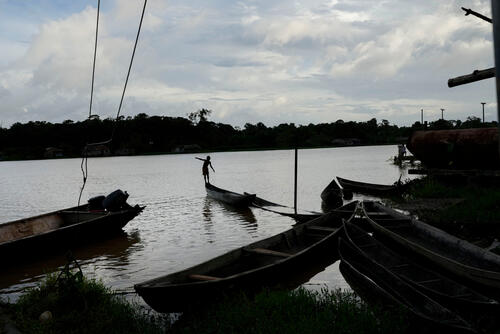
A boy balances on the end of a canoe near an indigenous community on the banks of the Orinoco River. Mobility in the area is only by river, and it can take hours or even days to reach medical care. Delta Amacuro state, Venezuela, May 2023.
In a changing climate, early warning systems give humanitarians a chance to act before a crisis hits. By anticipating events like floods, heatwaves, or disease outbreaks, MSF teams can take early steps - such as prepositioning supplies, adjusting outreach, or reinforcing health services. This proactive approach helps reduce suffering, protect vulnerable communities, and keep healthcare running even in high-risk settings. It’s not just about reacting quickly - it’s about being ready.
Environmental degradation "is the deterioration of the environment through depletion of resources such as air, water and soil; the destruction of ecosystems and the extinction of wildlife. It is defined as any change or disturbance to the environment perceived to be deleterious or undesirable [ESCWA]”.
Deforestation, soil erosion, and water and air pollution are examples of environmental degradation. These changes disrupt ecosystems, worsen climate impacts, and increase disasters like floods, droughts, and disease outbreaks. As a result, health risks grow—malnutrition rises with crop failure, respiratory issues worsen with air pollution, and waterborne diseases spread as clean water sources disappear.
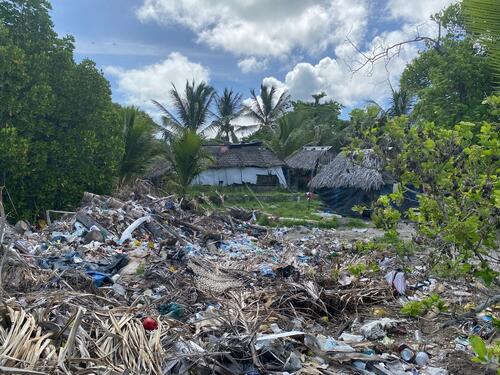
Communities in South Tarawa who have no land to live on, build on land that was part of the lagoon, fortifying it with tyres, cement walls and piles of rubbish and palm fronds. Kiribati, March 2023.
Effective climate and environmental adaptation is deeply context-specific—what works in South Sudan may not apply in Honduras. That’s why operational research plays a vital role in strengthening MSF’s anticipatory action and adaptation strategies. Teams are encouraged to consider how climate and environmental health challenges can become the subject of field-based research aimed at improving our preparedness and response.
If you have any questions, please contact the Humanitarian Action on Climate and Environment (HACE) team: Léo Tremblay, HACE Lead Jacob Levi, Infectious Diseases Specialist Aina Roca Barcelo, Environmental Health & Extreme Heat Advisor If you would like to add content to the Climate Hub, please contact Sanju Shampur.